Did you know nearly half of kids with autism also have ADHD? That’s a sizeable portion, right? This shared prevalence raises the question: “Is ADHD a form of Autism?” In this blog, we’ll unravel the common threads between these two neurodiverse conditions, highlighting the distinct aspects of each. More importantly, we’re sharing useful tips and resources for you, the champions behind your amazing neurodivergent kids.
Table of Contents
Autism and ADHD: What Are They?
Before we talk about if ADHD is a form of autism, let’s go over the basics of these two different ways of thinking. Autism Spectrum Disorder (ASD) is when someone has a hard time with social interactions, talking, and might do the same things over and over. People with autism can be very different from each other, which is why we call it a “spectrum.” On the other hand, Attention Deficit Hyperactivity Disorder (ADHD) is when someone has trouble paying attention, can’t sit still, and acts without thinking. There are three different types of ADHD: inattentive, hyperactive-impulsive, and combined.
- Autism: Hard time with social interactions, talking, and might do the same things over and over.
- ADHD: Trouble paying attention, can’t sit still, and acts without thinking.

Is ADHD a Form of Autism? Figuring Out What They Have in Common
While ADHD and autism share a few commonalities, they’re distinct ways of experiencing the world, each with unique features. Quite intriguingly, some kids juggle both conditions, sparking interest in the overlaps and connections.
Customize visual schedules that teach kids independence. No more nagging, no more stress.
These two share some common ground – both can lead to difficulties in forging friendships, navigating social norms, or grappling with planning and time management. Not to mention, individuals may encounter heightened emotions, leading to occasional meltdowns. Yet, there are noteworthy differences between ADHD and Autism that distinguish them. Remember, no two kids are the same, and understanding these nuances can help us in supporting our children more effectively.
What’s the Difference? Autism vs. ADHD
Even though they share some traits, autism and ADHD are different in some key ways.
| Autism | ADHD |
|---|---|
| More trouble talking and understanding body language | Less trouble with communication |
| Repeating behaviors (like hand flapping) | No repeating behaviors |
| Less hyper and impulsive | More hyper and impulsive |
| Shows up earlier in life | Symptoms appear when kids start school |
When Autism and ADHD Happen Together
Something we’ve noted earlier is that many children manage both autism and ADHD, which can indeed be challenging to navigate. To get the best support for your child, teaming up with medical professionals and therapists who are well-versed in both conditions is crucial.
Read More: Parenting a Child With ADHD and Autism
When children juggle autism and ADHD, it can be like mixing colors on a palette – they might exhibit a blend of characteristics from each condition. It’s a bit of a puzzle trying to decipher what type of support they need. However, by collaborating with experts knowledgeable in both autism and ADHD, you can pave the way for your child to receive the most effective assistance. Remember, understanding these intricacies is key in providing our kids the support they deserve. Let’s keep delving deeper, shall we?

Helping Your Neurodivergent Child: Tips and Tools
Whether your child has autism, ADHD, or both, there are lots of ways you can help them learn and grow. You can learn about your child’s needs and make sure they get the help they need in school and other places. You can also work with people like occupational, speech, or behavior therapists who know how to help neurodivergent kids.
- Support groups: Connect with other parents of kids with thinking and learning differences to share stories, advice, and support.
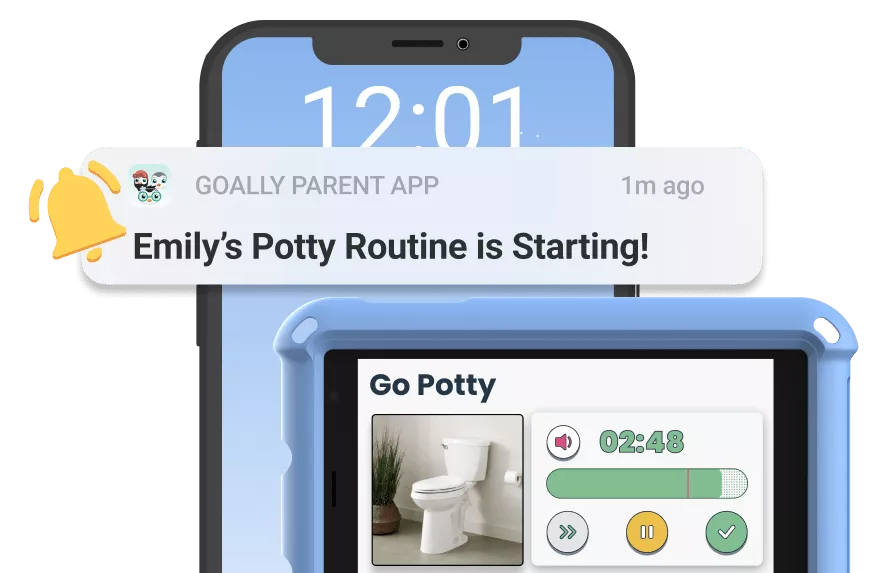
- Technology: Check out tools like Goally’s learning tablet for kids and apps that help kids with autism or ADHD build important skills and feel more confident.
Try Goally For Your Child With ADHD
Goally helps kids with ADHD stay focused and build skills. Unlike a Kindle or an iPad that kids get easily distracted on, Goally has no YouTube, no social media, no web browser, and especially no ads.
Goally uses game play as a points-based motivator for your kiddo with ADHD and helps them learn emotional regulation skills. It’s simple to set up and has an expert-informed design.

Celebrating Neurodiversity: The Big Picture
It’s important to know the difference between autism and ADHD, but it’s also important to celebrate the special things that kids with thinking and learning differences can do. By supporting neurodiversity and giving the right help, we can make sure our neurodivergent kids can do their best and reach their goals.
So, is ADHD a form of autism? While they have some things in common and can happen together, they are different in important ways. Knowing these differences and helping your child with their unique needs will help them succeed and be their amazing selves.
FAQs About If ADHD Is a Form of Autism
What is the correlation between Autism and ADHD?
Autism and ADHD share certain traits, but they're distinct conditions. They often coexist in children, leading to a blend of symptoms from both.
Can a child have both Autism and ADHD?
Yes, a child can have both Autism and ADHD. The overlap of symptoms can make diagnosis more complex, but it's not uncommon.
How do Autism and ADHD differ in early life?
Autism signs usually appear earlier in a child's life, often before age 3, while symptoms of ADHD often become evident once a child starts school.
How do Autism and ADHD affect social interactions?
Both conditions can create challenges in social interactions. Autism often leads to difficulty understanding body language, while ADHD can lead to impulsivity and hyperactivity.
What unique behaviors are seen in kids with Autism compared to those with ADHD?
Kids with autism might exhibit unique behaviors such as hand flapping or obsessing over specific topics, while kids with ADHD are often more hyperactive and impulsive.
This post was originally published on April 21, 2023. It was updated on June 11, 2023.

Goally
We help parents teach their kids life skills, like doing bedtime and morning independently. Backed by science, we incorporate evidence-based practices and expert-informed designs in all of our apps and content.