What age does preliteracy start?
Preliteracy starts from birth and continues throughout early childhood, typically ending around age 5 or 6 when formal reading instruction begins.
How can I support my child's preliteracy development at home?
You can support your child’s preliteracy development by reading to them regularly, playing language and literacy games, providing access to print materials, and engaging in conversations about what you read together.
How can preliteracy be taught in a special education setting?
Preliteracy can be taught in a special education setting through targeted instruction, such as explicit phonics instruction, multisensory activities, and the use of assistive technology such as digital visual schedules, AAC, and gamified learning tools.
Are there specific activities that support preliteracy development?
Yes, activities such as reading aloud, singing songs, and playing word games with children can help strengthen their preliteracy skills and vocabulary.


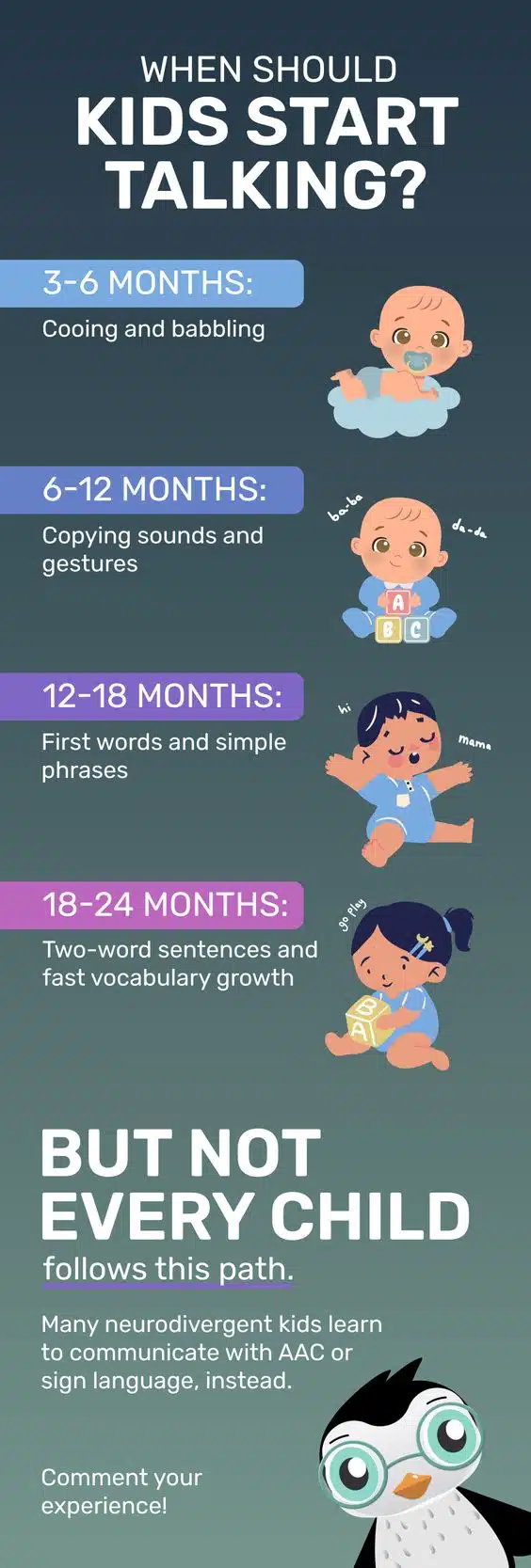
Preliteracy is the crucial stage in a child’s development that precedes their ability to read or write independently, starting from birth. This phase lays the essential foundation for formal reading and writing education, encompassing skills like letter recognition, print awareness, phonological understanding, and vocabulary growth. While many children naturally acquire these skills through exposure to language and written materials, children with special needs may benefit from more explicit and personalized instruction. Parents can foster preliteracy development by creating a nurturing learning environment and implementing tailored strategies to reinforce these skills, ensuring their child is well-prepared for future literacy success.

Understanding how preliteracy skills work is key to helping your child’s development. These foundational skills set the stage for future reading and writing success. Here’s a brief overview of how these skills are used:
Preliteracy skills thrive through everyday interactions and playful activities. By understanding how they work and adapting to your child’s needs, you can help them become proficient readers and writers, all while making it a fun and enjoyable journey.
This post was originally published on April 13, 2023. It was updated on Jan. 19, 2024.