It has been estimated that up to 31.9% of children suffer from anxiety, some of whom are children suffering from separation anxiety. Today, we’re diving into a topic that touches many families – separation anxiety in children. As parents of kids with ADHD and Autism, helping them thrive at school can be challenging when they struggle with the dreaded goodbyes. Our goal here is to help you understand what’s going on in your child’s mind and give you the tools to help a child with separation anxiety at school. Ready? Let’s go!
Table of Contents
1. Understand Separation Anxiety
First things first, what is separation anxiety? Some kids experience an emotional response when they’re away from their caregivers or familiar surroundings. Common signs of this include crying, clinging behavior, and tantrums during drop-off time at school.

Read More: 5 Emotional Regulation Activities for Kids
For our little ones with ADHD or Autism, coping becomes even more difficult due to their unique neurodiversity – which may affect their ability to adapt easily or communicate emotions effectively. This can impact not only their happiness but also their academic performance at school.
2. Talk About It
One essential step towards easing separation anxiety is open communication between you and your child about their feelings regarding school anxieties (yes, even if it’s tough!). Here are some tips on starting those conversations:
- Choose quiet moments where both of you feel relaxed
- Gently ask questions about their day; listen attentively without judgment
- Share your own experiences as a kid (we’ve all been there!)
And always remember: empathy goes a long way! Understand that it might take time for your child to express themselves fully – but being patient shows them they have someone who genuinely cares.
3. Teach Your Child Different Strategies to Calm Anxiety
Now that we’ve got communication going let’s explore some anxiety-busting techniques! You can teach your child various calming strategies, such as deep breathing exercises, visualization, or even using a comfort object (like their favorite stuffed toy). Here’s how you can introduce these methods:
- Show them the technique by doing it yourself (kids learn best by example!)
- Guide them through the steps patiently until they get the hang of it
- Encourage them to use their chosen strategy whenever they feel anxious
Remember: practice makes perfect! Please help your child develop these skills regularly to become second nature when needed.
4. Keep a Consistent Routine
Routines are like magic for children with separation anxiety – providing predictability and structure that make life less overwhelming. Let’s discuss some tips on creating routines that reduce stress before school drop-off and ease the transition back home:
For Mornings:
- Wake up at the same time daily
- Create a visual schedule of tasks (brushing teeth, dressing up, having breakfast)
- Add in fun activities like listening to upbeat music while getting ready

For After-School Hours:
- Offer a calming activity immediately after returning home (like coloring or reading together)
- Schedule homework and playtime consistently each day
By maintaining consistent routines both in the morning and after school, you’re setting up an environment where your child knows what to expect – making those transitions smoother! Stay with us as we wrap up this blog post with practical tips for parents on managing anxiety at school and handy advice for kids on calming their own nerves during the school day. You’ll soon master how to help a child with separation anxiety at school so they can fully embrace learning without fear!
Tips for Parents to Help Their Child Manage Anxiety at School
Teamwork makes the dream work, right? Collaborating with teachers and staff members can help your child feel supported during school hours. Here are some ideas on staying involved without being overbearing:
- Schedule regular check-ins with teachers to discuss progress and concerns
- Share information about your child’s unique needs or triggers
- Be open to feedback and suggestions from educators
Remember: it’s important to seek a balance between advocating for your child and giving them space to grow independently. Exploring “how to help a child with separation anxiety at school”? Here’s our quick guide to ease those school-time worries:
For the little champions dealing with anxiety, you’re not alone! Here are a few handy tips to help you out:
- Don’t hesitate to seek support from buddies, classmates, or adults you trust. Remember, sharing a problem can often make it feel lighter!
- Identify cozy nooks around your school for those moments when you need to take a breather.
- Embrace straightforward relaxation techniques, such as reverse counting from 10 or clutching a stress ball when anxiety peaks
Remember, every child, including you, can become a pro at regulating their emotions. And remember, teachers play a big role in “how teachers can help with separation anxiety”. So let’s champion emotional strength, together!
Goally | Kid’s Tablet for Building Emotional Regulation Skills
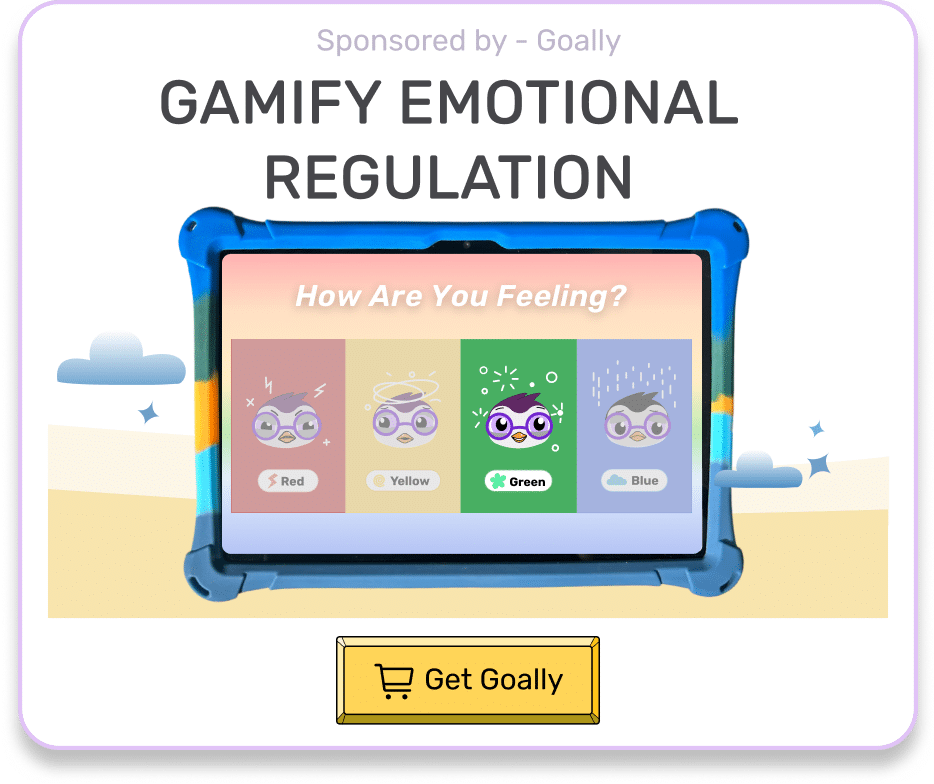
Is your child struggling with understanding and managing their emotions at school? Goally’s skill building kid’s tablet includes a Mood Tuner app that teaches emotional regulation skills in a fun and interactive way!
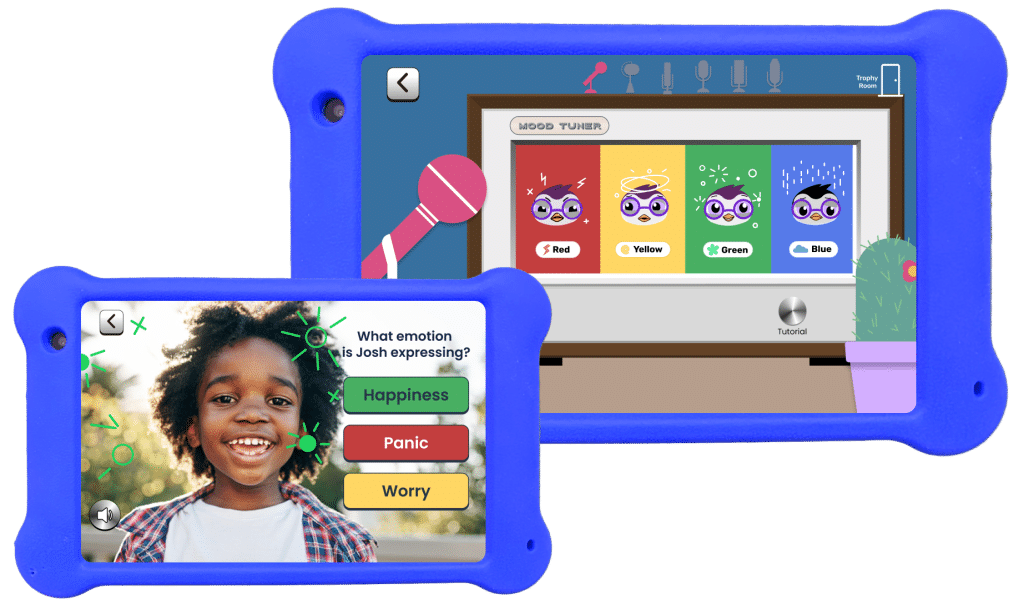
The Mood Tuner app encourages kids to look inwards and identify their feelings, helping them understand what’s going on inside. Once they’ve recognized their emotions, they can choose from a variety of exercises designed to help them self-regulate and find their balance.
Try Goally as an app for as low as $15. Or, opt for our dedicated skill-building tablet (which ONLY shows Goally apps) for $149, ensuring your child stays focused on their emotional growth journey.
Conclusion: How To Help a Child With Separation Anxiety At School
And that’s a wrap! We’ve explored what separation anxiety looks like, how talking about it helps, strategies for calming nerves and maintaining routines, plus tips tailored just for parents and kids alike. Remember: learning how to help a child with separation anxiety at school takes time – but every step forward counts.
This post was originally published on 04/04/2023. It was updated on 06/06/2023.

Goally
We help parents teach their kids life skills, like doing bedtime and morning independently. Backed by science, we incorporate evidence-based practices and expert-informed designs in all of our apps and content.