Remember the little guy at the park whose energy seemed to outpace all the other kids? He was zooming around, climbing on everything, yelling out random comments while the other children played a focused game. His mom was calling his name, her voice sounding a bit stressed. You might have thought, “Wow, parenting looks tough,” or perhaps wondered if that little guy had ADHD – I know I sometimes do. As someone who works with neurodivergent kids, I see how ADHD affects families. It’s a mix of incredible strengths and real challenges. When it comes to discipline, things can get especially tricky! I’ve gathered insights from my years of experience and the latest research to share how to discipline a child with ADHD effectively and compassionately. Let’s tackle this together.
Table of Contents
What Makes Discipline Different with ADHD?
Kids with ADHD face unique challenges related to impulse control, focus, and emotional regulation. Understanding these differences is crucial for effective discipline:
- Impulsivity: Kids with ADHD often act without thinking. This can lead to them breaking the rules or lashing out without intending to cause harm.
- Difficulty with Focus: Kids with ADHD may struggle to follow instructions or complete tasks. They might need to understand the consequences fully.
- Emotional Regulation: Kids with ADHD can experience intense emotions and quickly shift from happy to upset. This can make it harder to respond calmly in challenging situations.
Tips for Disciplining Kids with ADHD
Disciplining a child with ADHD does require a somewhat different approach; here’s what works:
1. Stay Calm and Positive
Kids with ADHD pick up on our energy. Staying calm and patient will help them stay regulated, especially during challenging moments. It’s okay to take a break if you need to de-escalate yourself!
Goally | The Tablet for Neurodiverse Kids

2. Use Clear and Simple Communication
Give short, direct instructions and avoid overwhelming them with too much information at a time. For example, instead of saying, “Stop running and get ready for school, or we’ll be late,” you could try, “First, put on your shoes.” Break tasks into smaller steps for better success.
3. Focus on Collaboration, Not Just Consequences
Rather than solely relying on punishments, approach discipline as a coaching opportunity. Problem-solve together, and celebrate every small step in the right direction.
4. Reward Good Behavior
Kids with ADHD thrive on positive reinforcement. Notice and praise even small successes, like focusing on homework for 10 minutes or staying calm when a sibling takes a toy.
5. Be Consistent
Consistency is KEY! Kids with ADHD need clear routines and expectations to feel secure. Try a simple visual schedule of tasks to follow.
6. Adjust Expectations
Be realistic about what your child with ADHD can manage. Celebrate the journey, not just the outcome! Every little gain is a step in the right direction.

Read more: How to Give a Time Out: Dos & Don’ts
Should I Avoid Yelling and Harsh Punishments?
Harsh punishments can damage a child’s self-esteem, particularly kids with ADHD, who already grapple with a lot of negative feedback. Here’s what to try instead:
- Natural Consequences: When possible, let your child experience the natural consequences of their actions. If they didn’t put their shoes away, a frantic morning looking for them might be the lesson needed.
- Redirection: Distract and redirect your child from unwanted behaviors toward a more appropriate choice.
- Planned Breaks: Prevent meltdowns by taking breaks for calming activities before your child becomes overwhelmed.
When To Seek Professional Help
Sometimes, standard parenting strategies may not be enough. If your child’s ADHD significantly impacts daily life and family harmony, seeking professional help is essential. Therapists specializing in ADHD can provide guidance for building behavioral strategies tailored to your child’s specific needs.
Try Goally For Your Child With ADHD
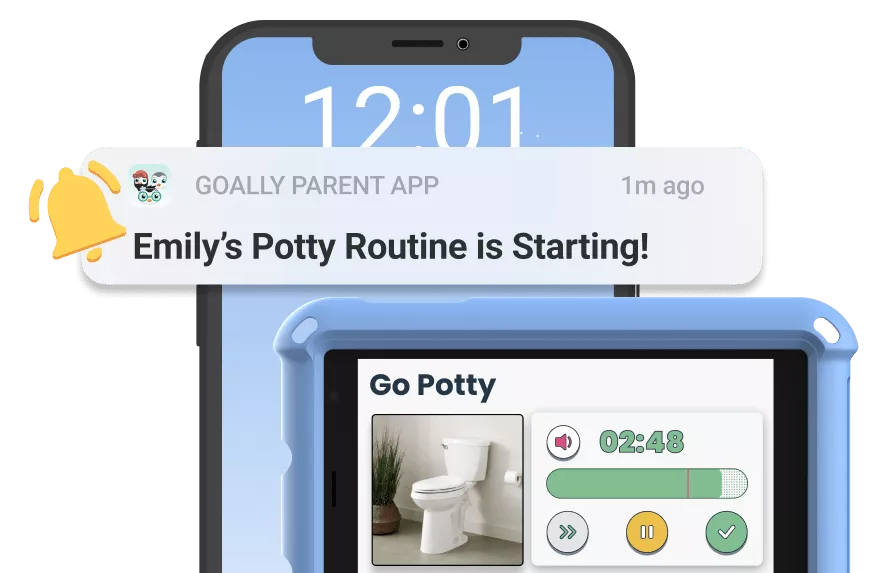
Goally helps kids with ADHD stay focused and build skills. Unlike a Kindle or an iPad that kids get easily distracted on, Goally has no YouTube, no social media, no web browser, and especially no ads.
Goally uses game play as a points-based motivator for your kiddo with ADHD and helps them learn emotional regulation skills. It’s simple to set up and has an expert-informed design.

Remember, You’re Not Alone
Parenting a child with ADHD has its ups and downs. It’s okay to feel overwhelmed sometimes. Celebrate every triumph, however small. Above all, treat yourself and your child with compassion – you’re doing a fantastic job!
Credible Sources for Further Reading:
- ADDitude Magazine: Parenting Strategies for Kids with ADHD: Provides practical advice and tips for parents of kids with ADHD.
- CHADD: Children and Adults with Attention-Deficit/Hyperactivity Disorder: Offers resources, support groups, and information about ADHD management.
- Understood: Discipline Strategies for Kids with ADHD: Explains ADHD-specific discipline approaches and positive parenting techniques.
FAQ’s About How to Discipline a Child With ADHD
How can I discipline a child with ADHD effectively?
Effective discipline for a child with ADHD involves setting clear expectations, providing structure, and using positive reinforcement.
What strategies can I use to teach self-control to my child with ADHD?
Teaching problem-solving skills, modeling self-control, and emphasizing the benefits of self-management can help develop self-control in children with ADHD.
Is punishment effective for disciplining a child with ADHD?
While punishment may not be as effective for children with ADHD, focusing on positive reinforcement and teaching alternative behaviors can yield better results.
How important is consistency in disciplining a child with ADHD?
Consistency is crucial when disciplining a child with ADHD as it helps establish clear expectations and reinforces desired behaviors.
Should I involve my child in setting rules and consequences?
Involving your child in setting rules and consequences can promote their understanding and cooperation, fostering a sense of ownership and responsibility.
This post was originally published on 03/30/2023. It was updated on 03/13/2024.

Goally
We help parents teach their kids life skills, like doing bedtime and morning independently. Backed by science, we incorporate evidence-based practices and expert-informed designs in all of our apps and content.