Are you familiar with the term “social stories for kids”? Imagine a powerful tool that could transform abstract concepts into tangible experiences for your children, especially those who are neurodivergent. Well, you’re in luck because that’s precisely what social stories do. They’re straightforward narratives, like little storybooks that describe diverse situations, break down confusing behaviors, and teach new skills. They proactively manage everyday stressors your kids might encounter, from adapting to new routines to handling overwhelming emotions. This blog will explore these stories, their benefits, and how you can craft personalized narrations for your little ones.
Table of Contents
What are Social Stories?
If you’ve spent time in the special education field or around neurodivergent kids, you’ve likely heard the term “social stories.” Invented by Carol Gray in 1991, social stories are narrative-based guides that give individuals a clear understanding of social situations and expectations. In other words, these stories provide a play-by-play description of everyday situations, enabling children to understand and navigate complex social norms.
The beauty of social stories is their versatility. They can cover a wide range of topics — from seemingly mundane tasks like brushing teeth or tying shoelaces to intricate social scenarios like managing conflict at the playground. Sparing no detail, social stories engage children’s attention, addressing a situation’s “who, what, where, when, and why” with unpretentious simplicity. They serve as stepping stones, building bridges over a river of ambiguity.

Read More: Helping Shy Children Socialize
Different Types of Social Stories
There is no one-size-fits-all approach to social stories, which is why they come in various formats to cater to many unique learning styles and preferences. Let’s explore the three main types of social stories:
- Visual social stories: Visual social stories use images, illustrations, or photographs to convey the message. They are particularly beneficial for children who learn best through visual stimuli, as the pictures help them process and retain the information more effectively.
- Written social stories: Written social stories are text-based and can be read aloud or independently by the child. They are great for children who enjoy reading or listening to stories and can be easily personalized to suit the child’s needs and interests.
- Audio/Video social stories: Audio or video social stories combine auditory and visual elements, offering a dynamic and engaging learning experience. Children can watch or listen to these stories on various devices and they can be especially helpful for children who require multi-sensory input to grasp concepts effectively.
Creating Social Stories for Kids
Contrary to popular belief, creating social stories is easier than you might imagine. First, identify an area where your child faces challenges. You may notice your kid struggling with certain social scenarios or expressing discomfort with some daily routines. For instance, waiting their turn during a board game or understanding the need to wash hands before meals.
- Select a scenario: By selecting a scenario that your child faces challenges with, you’re essentially targeting your starting point for storytelling.
- Create a title: The title should provide a hint about the story. For example, “Timmy Learns to Wait His Turn” or “The Importance of Washing Hands.”
- Approach the topic: Approach the topic from your child’s viewpoint, empathizing with their struggle, and then proceed to help them understand why it’s crucial.
- Keep it simple: Keep the language simple, very much like a picture book, emphasizing positive behavior and the rationale behind it.
- End on a positive note: Lastly, conclude the story on an affirmative note, reinforcing the positive behavior you want your child to imbibe.
The Effectivity of Social Stories
According to a a study published in the Journal of Intellectual & Developmental Disability, they found that social stories can significantly improve social understanding and behavior in children with autism. In short, they offer a concrete method for teaching social skills and behaviors to neurodivergent kids.
However, it’s essential to understand that social stories are just one tool in your toolbox. They are not a one-size-fits-all solution or a magic wand. Instead, consider them an aid in helping your child understand and adapt to social scenarios.
Incorporating Social Stories into Your Daily Regimen
Integrating social stories into your daily regimen is straightforward. In the same light as bedtime stories, you can use social stories during a quiet day, preferably when your child is relaxed. Reading the story multiple times will help the child internalize the scenario and context better, reinforcing the favorable behaviors in the story.
Remember to keep the atmosphere relaxed and free from pressure. Parallel to how you’d teach a child to ride a bike, a break from the story reading could be as beneficial as reading the story itself. This allows the child to process and ponder the information, creating a lasting impact.

Tips for Parents Using Social Stories for Kids for the First Time
Here are some helpful tips for parents to ensure a smooth and successful experience:
- Familiarizing With Social Stories Concepts – Before diving in, take the time to familiarize yourself with the basic concepts and principles of social stories. This will help you better understand their purpose and how they can benefit your child. Read articles, watch videos, or attend workshops to build your knowledge and confidence in using social stories.
- Customizing Social Stories for Your Child’s Needs – Every child is unique, so it’s important to tailor social stories to your child’s specific interests and needs. Personalize the stories by including your child’s name, favorite characters, or familiar settings to make the content more relatable and engaging.
- Being Consistent and Patient – Consistency is key when using social stories. Incorporate them into your child’s daily routine, and make sure to revisit the same stories multiple times to reinforce the lessons. Remember, learning new skills takes time and patience, so don’t get discouraged if progress seems slow.
- Engaging in Open Communication With Your Child – Encourage open dialogue with your child about the social stories you’re using. Ask them questions about the story, their feelings, and their understanding of the social situation. This will not only help your child internalize the lessons but also strengthen your bond.
- Seeking Professional Guidance if Necessary – If you’re unsure about using social stories or need additional support, don’t hesitate to consult professionals, such as therapists, educators, or pediatricians. They can offer valuable guidance and recommend appropriate resources tailored to your child’s needs.
Goally | Apps To Structure Your Kid’s Routine
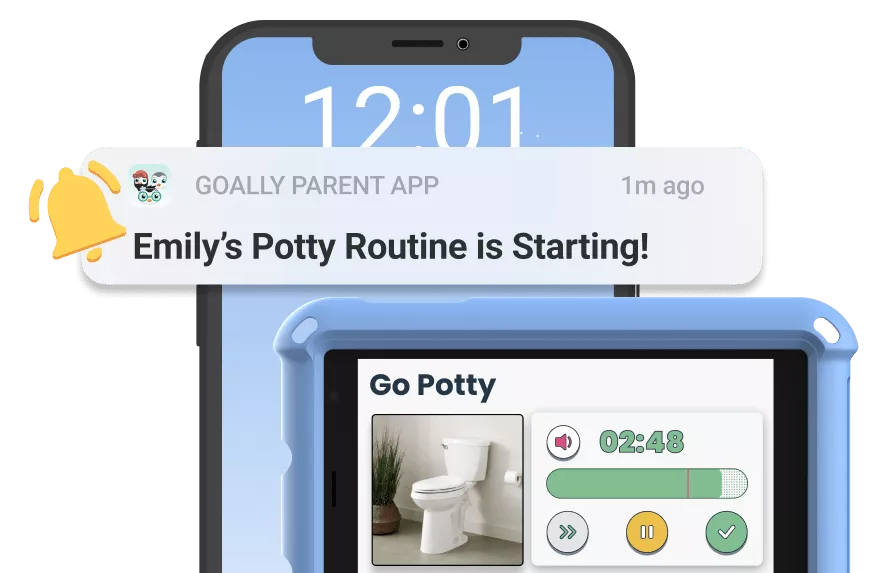
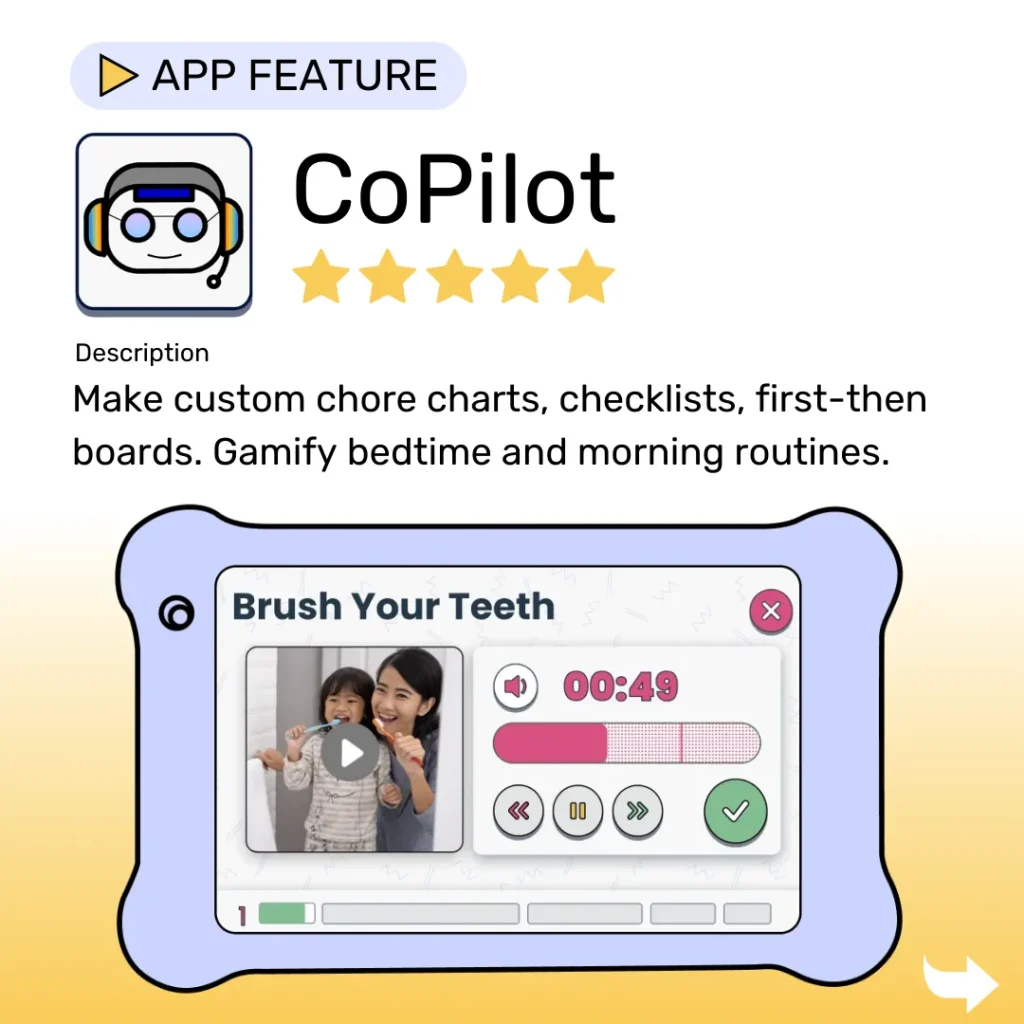
Does your child struggle with transitions or staying on task? Goally’s visual schedule app breaks down large tasks into small, achievable steps. It helps kids complete their tasks independently!

Create custom routines with your own videos & pictures for every step. The steps come in small, bite-sized pieces to help your child learn the little fundamentals (like putting the toothpaste on their toothbrush!) to achieve bigger goals. And that’s just the beginning.
In short, social stories are an empowering tool in the parenting toolbox. They help to unveil the complexities of social norms for our kids — offering a guided, comforting hand on their journey through various social scenarios. As we step up and tailor these stories to our child’s unique needs and comprehension abilities, we’re not only helping them navigate the intricacies of interactions but also fostering in them a sense of confidence and resilience. I encourage you to explore this beautiful form of narrative, watching as it unravels the mysteries of social interaction in your child’s eyes.
Resources:
- The National Autistic Society: Offers an extensive range of resources and information about autism, including detailed insights on social stories and their practical applications.
- US National Library of Medicine: Features a repository of scientific articles and studies related to autism and social stories, offering a more depth-oriented view.
- Raising Children Network: Provides helpful guides and strategies for parents, including a guide to creating social stories for autism, assisting you to navigate these waters confidently.
FAQs About Social Stories for Kids
1. How can I incorporate Social Stories for Kids into my child's daily routine?
Social Stories for Kids can be integrated into daily routines during quiet moments, such as at bedtime, mealtime, or other calm periods throughout the day.
2. Why should I combine Social Stories for Kids with other teaching methods?
By merging Social Stories for Kids with additional teaching techniques like role-playing or social skills games, children can reinforce and internalize the social lessons more effectively.
3. What are the indicators that Social Stories for Kids are benefiting my child?
Look for improvements in your child's social behavior and interactions, such as better communication, increased empathy, or more appropriate behavior in social settings.
4. What should I do if my child's progress with Social Stories for Kids appears slow?
Remember to be patient. Each child has their own learning pace. Continue to provide consistent and positive support throughout their learning journey.
5. Can Social Stories for Kids be helpful for all children or just those with special needs?
Social Stories for Kids can be beneficial for all children as they learn to understand social cues, empathize with others, and manage complex social situations.
This post was originally published on March 28, 2023. It was updated on March 7, 2024.

Goally
We help parents teach their kids life skills, like doing bedtime and morning independently. Backed by science, we incorporate evidence-based practices and expert-informed designs in all of our apps and content.