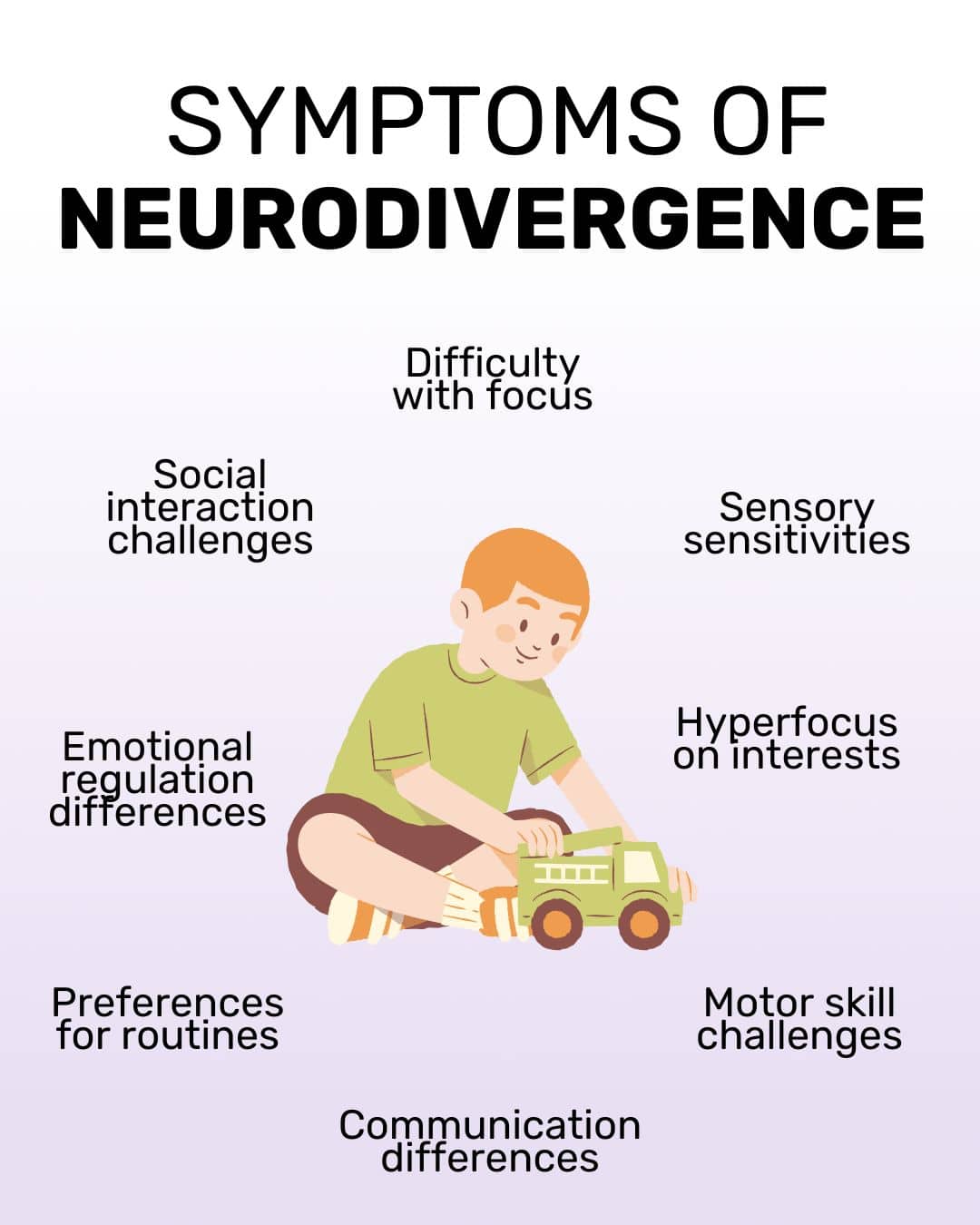
Neurodiversity affirmation acknowledges diverse brain functioning, embracing conditions like autism, ADHD, and dyslexia. It fosters inclusive, supportive environments, valuing unique contributions from neurodivergent individuals.



Neurodiversity affirmation acknowledges diverse brain functioning, embracing conditions like autism, ADHD, and dyslexia. It fosters inclusive, supportive environments, valuing unique contributions from neurodivergent individuals.


How can I be more neurodiversity-affirming in my daily life?
You can be more neurodiversity-affirming by learning about different neurodivergent conditions, using positive and respectful language when talking about them, creating inclusive environments that accommodate different learning and communication styles, and recognizing and valuing the unique strengths and contributions of neurodivergent individuals.
Why is neurodiversity-affirming important?
Neurodiversity-affirming is important because it helps to reduce stigma and create a more inclusive world for individuals with different neurological profiles. It also recognizes the positive contributions that neurodivergent individuals can make to society.
How can I promote neurodiversity-affirming attitudes in my community?
You can promote neurodiversity-affirming attitudes in your community by advocating for policies and laws that support neurodivergent individuals, educating others about neurodiversity, and creating inclusive and accessible spaces for people with different neurological profiles.
How can neurodiversity affirmation benefit my child with autism or ADHD?
Neurodiversity affirmation can boost your child’s self-esteem, help them develop their unique strengths, and create a more accepting and supportive environment for their growth and well-being.


Being neurodiversity-affirming means recognizing diverse ways of thinking and valuing strengths and challenges in conditions like autism, ADHD, and dyslexia. It involves embracing natural human variation, creating inclusive environments, offering tailored support, and appreciating their contributions to society. This reduces stigma and fosters an inclusive world for all, regardless of neurological differences.

Neurodiversity-affirming practices involve concrete actions that promote inclusion and acceptance of neurodivergent individuals. Here are some examples of how this concept works in action:
By implementing these practices in education, workplaces, and public spaces, we can promote acceptance, challenge stereotypes, and create a world where everyone’s unique strengths and perspectives are celebrated.
This post was originally published on Feb. 15, 2023. It was updated on Nov. 6, 2023.