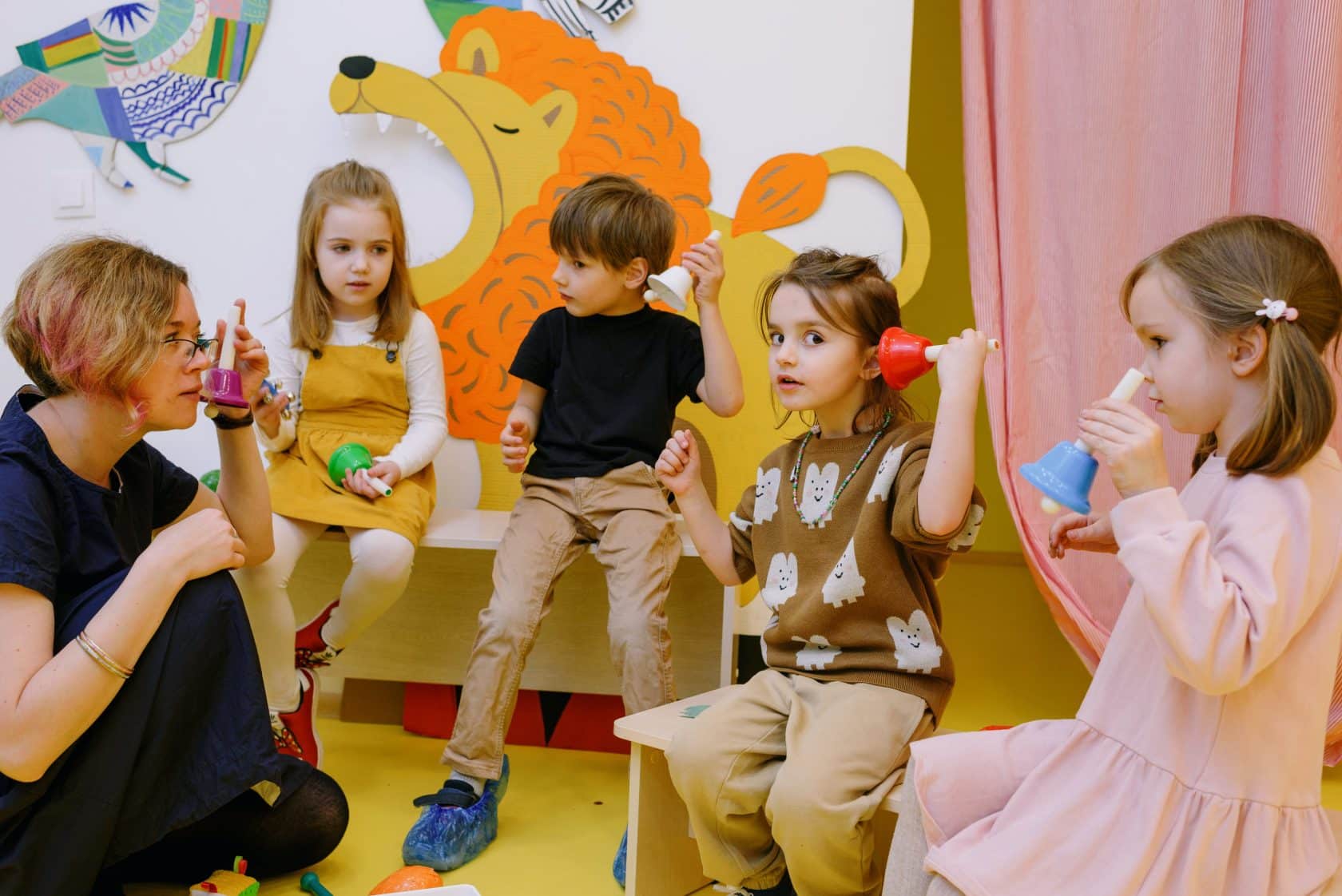
Mainstreaming is when people with special needs or differences are included and join in with others in regular activities and settings. It’s about making the world more inclusive; everyone is respected and valued, regardless of their differences.



Mainstreaming is when people with special needs or differences are included and join in with others in regular activities and settings. It’s about making the world more inclusive; everyone is respected and valued, regardless of their differences.


What is the purpose of mainstreaming?
The purpose of mainstreaming is to promote inclusion and equal opportunities for individuals with special needs or differences. This helps to break down barriers and create a more inclusive society.
What are the benefits of mainstreaming?
The benefits of mainstreaming include increased opportunities for socialization, improved access to education and resources, and greater independence and self-esteem. Mainstreaming can also help to reduce prejudice and increase understanding between people who are different.
What are the challenges of mainstreaming?
The challenges of mainstreaming include ensuring that people with special needs receive the necessary support and accommodations, overcoming resistance to change, and addressing any prejudice or discrimination that may arise. However, with the right support and commitment, these challenges can be overcome, and mainstreaming can help make an inclusive and equitable society.


Mainstreaming is a term that is used to describe the process of integrating people who are different or have special needs into regular activities and settings. This means that instead of being in a separate program or school, they get to join in with everyone else and do the same things. The goal of mainstreaming is to make sure that everyone has equal opportunities and is included in society. Everyone is unique and has their own strengths and weaknesses, but with support and understanding, we can all work together and have fun. Mainstreaming is about making the world a more inclusive place, where everyone is valued and respected, no matter what their differences are.

Mainstreaming involves inclusive education, integrated employment, community integration, accessible infrastructure, and sensitivity training. Here are some examples:
Mainstreaming fosters inclusion and participation for individuals with special needs. Goally, our tablet, helps kids with mainstreaming by fostering essential life and language skills. With apps for visual schedules, AAC, gamified learning, emotional regulation, and social skills training videos, Goally supports routines, communication, and inclusion.
This post was originally published on Feb. 13, 2023. It was updated on July 8, 2023.