Proprioception is a sense that helps you know where your body is and what it’s doing. It’s like an internal GPS that allows you to move and balance and works with other senses to thoroughly understand your surroundings.



Proprioception is a sense that helps you know where your body is and what it’s doing. It’s like an internal GPS that allows you to move and balance and works with other senses to thoroughly understand your surroundings.


How does proprioception work?
Proprioception works through specialized nerve receptors in your muscles and joints that send signals to your brain about the position and movement of your body. This information is then processed by the brain to help you coordinate your movements.
How can proprioception be improved?
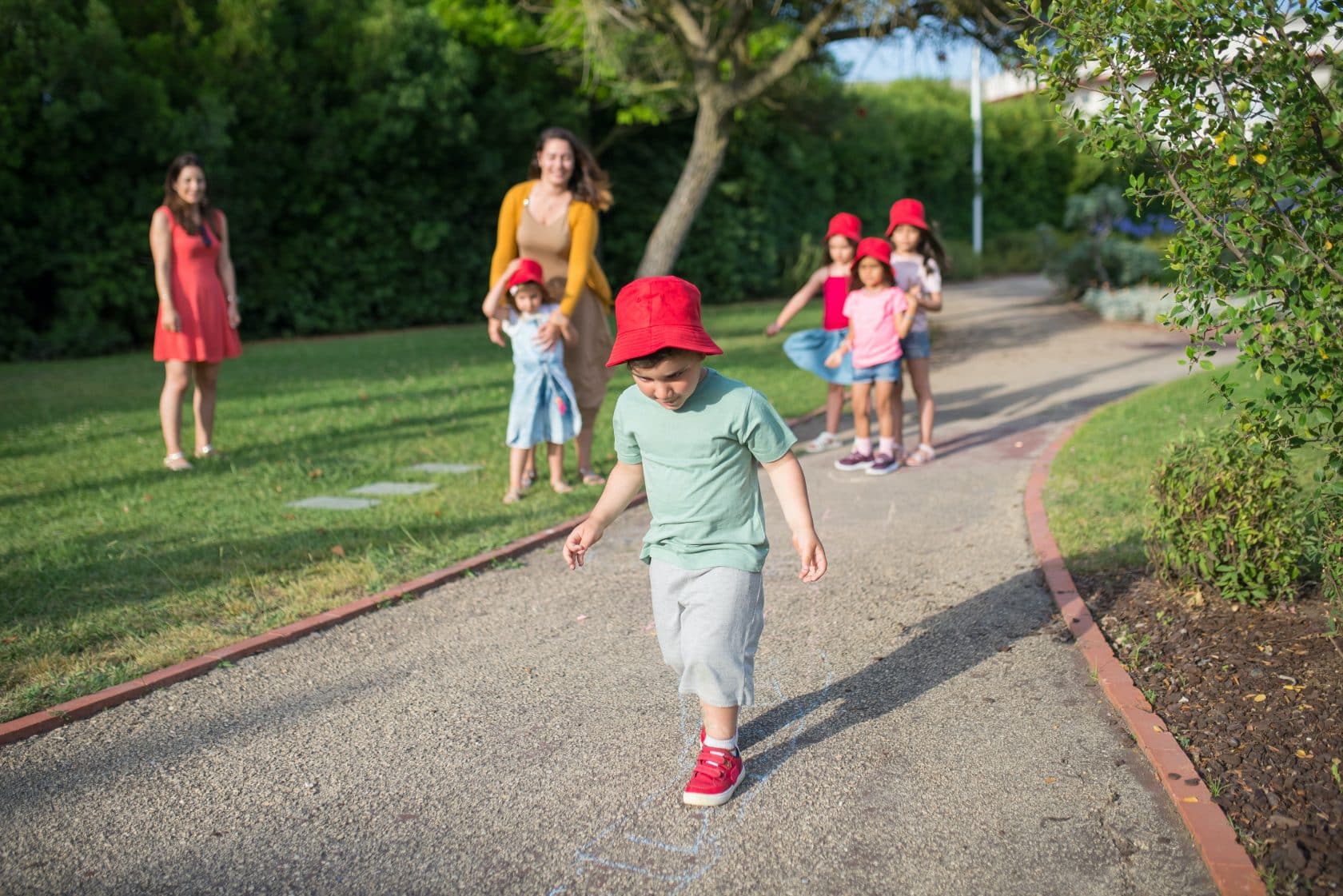
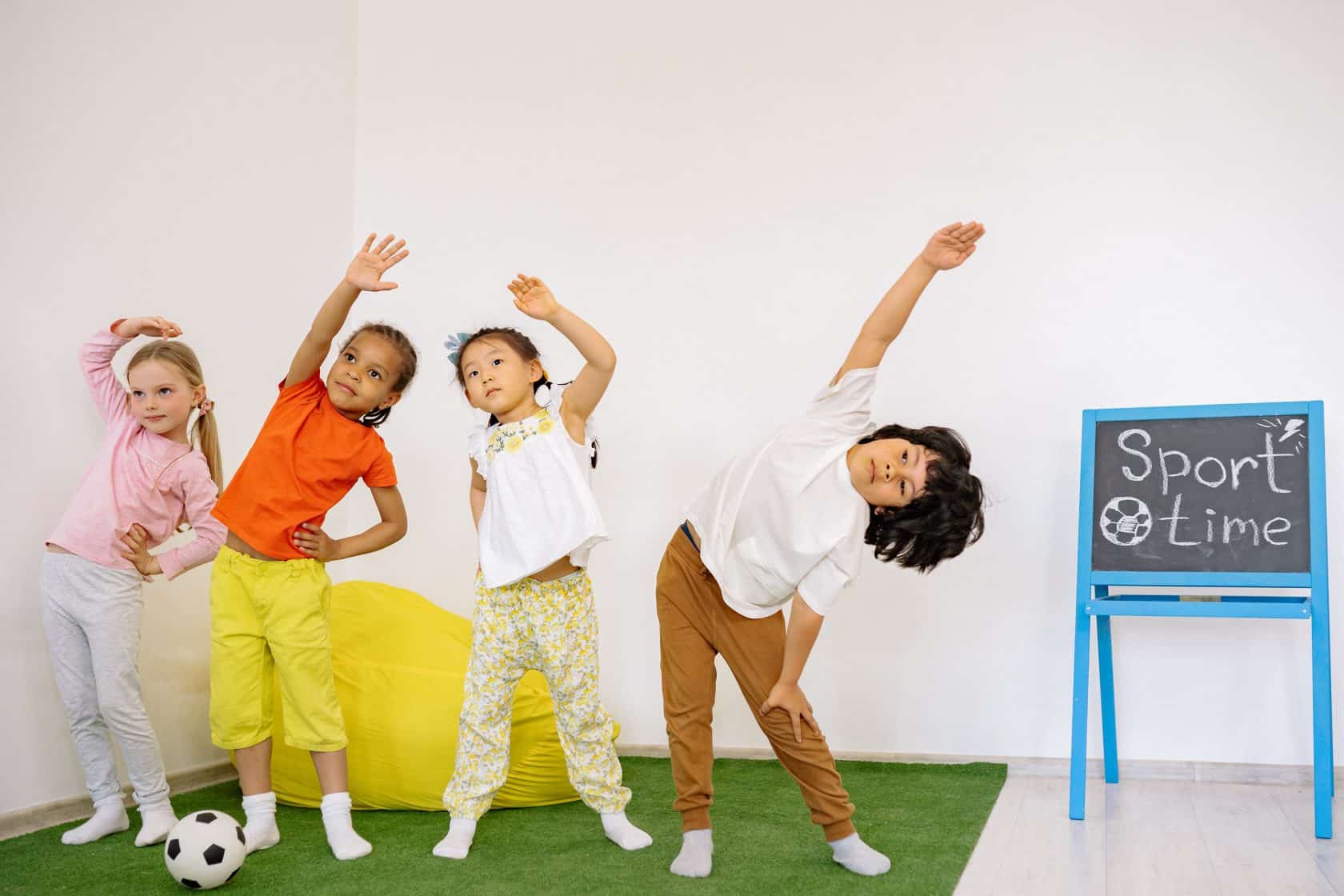
Proprioception can be improved through exercises that challenge and engage the sense, such as obstacle courses, balance training, and proprioception drills. Practicing these exercises regularly can help enhance your sense of proprioception.
What are the effects of proprioception loss?
Loss of proprioception can lead to issues with balance, coordination, and body awareness, and increase the risk of injury. Proprioception loss can occur as a result of injury, aging, or certain medical conditions, and can be treated with physical therapy and proprioception exercises.
Are there any medical conditions related to proprioception?



Proprioception, often described as the body’s internal GPS, allows you to sense your position in space independently of sight. Its importance becomes evident in various ways:
| Balance and Stability: | Proprioception keeps you steady on one leg or while traversing uneven terrain, ensuring you don’t topple over. |
| Hand-Eye Coordination: | Whether catching a ball or writing with a pen, it helps you accurately gauge your hand’s position and control its movements. |
| Precision in Movements: | Proprioception enables intricate actions, such as fastening a button or tying shoelaces with finesse. |
| Athletic Performance: | Athletes rely on it for precise movements in sports, from shooting a basketball to executing complex gymnastics routines. |
| Posture and Alignment: | Proper posture and alignment are maintained, preventing injuries and facilitating efficient movement. |
| Everyday Tasks: | In daily life, it plays a role in tasks like pouring a drink without spilling, using utensils, or navigating crowded areas. |
In conclusion, proprioception is essential for body awareness, coordination, and fluid movement in various aspects of our lives, from simple tasks to athletic performance.
This post was originally published on Feb. 13, 2023. It was updated on Jan. 19, 2024.