Character charts are tools parents use to teach and track their kids’ positive behaviors. This blog explores how these charts work, why they’re effective, and how you can use them to help your kids thrive.
Key Takeaways:
- Character behavior charts are effective tools for tracking positive behaviors and motivating kids.
- These charts can be customized for neurodivergent kids or specific behaviors.
- Free printable templates make it easy to get started immediately.
What is a character behavior chart? A character behavior chart is a visual tool that helps kids recognize, practice, and maintain positive behaviors. They use fun designs and reward systems to make learning behaviors engaging and interactive.
Table of Contents
Why Character Behavior Charts Work
Character behavior charts succeed because they simplify behavioral expectations into actionable steps. Kids often respond better to visual aids than verbal instructions, especially when those visuals are fun and colorful. By providing a clear structure, these charts help kids understand what’s expected of them.
Research backs this up. According to a study published by the American Psychological Association, consistent positive reinforcement significantly improves behavioral outcomes for kids, especially when paired with visual tools. Charts make the connection between actions and rewards tangible, which is incredibly motivating for younger children.

Read more: 10-Year-Old Behavior Chart
Benefits for Neurodivergent Kids
For kids with learning differences or neurodivergent needs, character charts offer a sense of predictability and structure. Visual aids can reduce the stress of verbal commands, making tasks more manageable. These charts are particularly helpful for kids with autism or ADHD who thrive on routine and clear expectations.
In my experience, using charts with neurodivergent kids brings clarity and reduces overwhelm. For example, a simple chart that breaks down a morning routine—brush teeth, get dressed, eat breakfast—can turn chaotic mornings into smoother ones.
How to Use Character Behavior Charts Effectively
Getting started with character behavior charts is easy, but consistency is key. Here’s how to maximize their effectiveness:
- Choose Specific Goals: Start with one or two behaviors to avoid overwhelming your child. For instance, focus on “cleaning up toys” or “saying please and thank you.”
- Set Realistic Expectations: Tailor the goals to your child’s age and abilities. Make sure they’re achievable to build confidence.
- Use Positive Reinforcement: Reward effort, not just results. For instance, if your child attempts to clean up their toys but misses a few, acknowledge their effort.
- Involve Your Kids: Let them help pick the rewards or the chart design. This fosters a sense of ownership and engagement.
Starting small and staying consistent with character behavior charts can lead to big wins for both you and your child.
Tips for Parents of Neurodivergent Kids
Parents of kids with learning differences might need to adapt these charts further. Consider using:
- Visual Symbols: Replace words with pictures or icons to simplify understanding.
- Shorter Timelines: Break tasks into smaller steps and set rewards for each completed step.
- Sensory-Friendly Designs: Use charts with calming colors or tactile elements for kids sensitive to sensory input.
Adapting character behavior charts for kids with learning differences ensures they’re set up for success. By tailoring these tools with visual aids, shorter timelines, and sensory-friendly designs, you’re meeting your child where they are and giving them the tools they need to thrive.
Free Printable Character Behavior Charts
One of the best things about character behavior charts is how easy they are to personalize. You don’t need to start from scratch! Download these free printables and customize them with your child’s name and favorite colors to make them feel special!
Common Mistakes to Avoid
While character behavior charts are simple, there are common pitfalls to watch out for:
- Overloading the Chart: Don’t list too many behaviors at once. Start small and add more as your child masters each task.
- Inconsistent Use: If you forget to update the chart or give rewards, it can lose its effectiveness. Consistency is everything!
- Unclear Goals: Be specific. Instead of “Be good,” try “Share toys with your sibling for 10 minutes.”
Avoiding common pitfalls can make all the difference in how effective your character behavior chart is. By starting small, staying consistent, and setting clear, specific goals, you’re creating a system that works for your child—and for you.

Read more: ADHD Discipline Charts | Free Printable
How to Customize Your Chart
Make your chart unique to your family. Consider:
- Adding Fun Characters: Use favorite cartoon or superhero themes to make the chart more engaging.
- Incorporating Stickers: Let your child choose stickers for rewards—they’ll love seeing their progress visually.
- Using Colors: Assign different colors for each task to create a visually appealing layout.
Customizing character behavior charts to reflect your family’s style and your child’s interests makes them even more impactful. Adding fun elements like favorite characters, colorful designs, and stickers turns these charts into something your kids will look forward to using.
Goally | Apps That Build Behavior & Life Skills for Kids
Want to keep your child motivated while building essential behavior and life skills? Goally’s skill-building tablet is designed to celebrate small wins and help your child grow. Our Behavior Tracker helps you reward your kid for specific skills, like “being kind” or “flushing the toilet.”
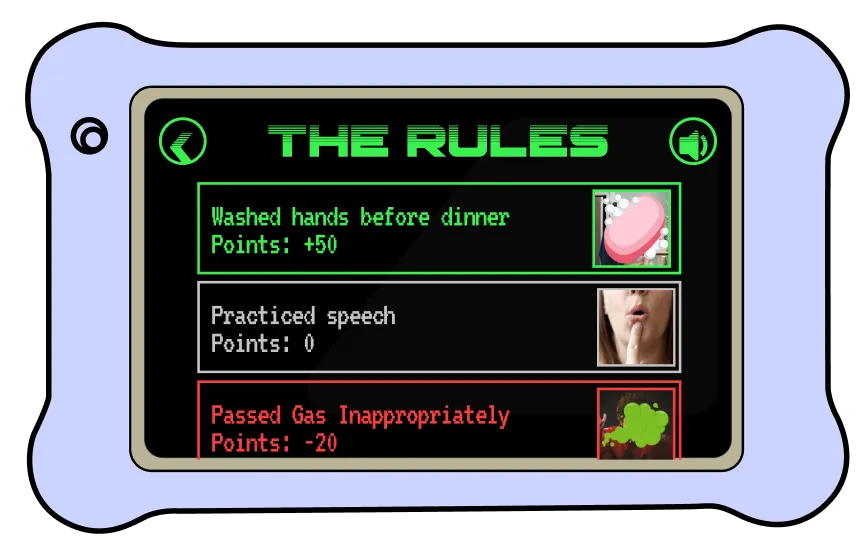
By setting clear expectations and rewarding their efforts, you foster a positive environment for your child to flourish in their behavioral skills journey.
Character behavior charts are an easy, effective way to teach positive habits and track progress. Whether you’re encouraging better routines, helping with chores, or fostering independence, these tools can make a real difference. Start small, stay consistent, and watch as your kids build new skills with a smile.
Resources:
FAQs about Character Charts
What are character charts for kids?
Character charts are tools that help kids develop positive behaviors through visual prompts and rewards.

How do character charts help kids?
They provide a fun and structured way to teach kids specific behaviors and track their progress.

Can character charts be customized?
Yes, character charts can be tailored with themes, stickers, and colors to match a child’s interests and needs.

Are character charts effective for neurodivergent kids?
Character charts are especially helpful for neurodivergent kids as they offer clear visual guidance and positive reinforcement.

What should parents include in a character chart?
Parents should include specific tasks, achievable goals, and a simple reward system in a character chart.
This post was originally published on 12/29/2022. It was updated on 11/22/2024.

Hennah is an experienced writer and researcher, helping children with autism, ADHD, and other neurodivergent conditions. As a blog contributor for Goally, she combines her deep understanding of neurodiversity with practical advice, offering valuable insights to parents and educators.