Idiopathic toe walking is when kids walk on their toes without a known medical reason. It’s like they’re tiptoeing all the time, even when they don’t need to. This walking style can be common in some kids with special needs.



Idiopathic toe walking is when kids walk on their toes without a known medical reason. It’s like they’re tiptoeing all the time, even when they don’t need to. This walking style can be common in some kids with special needs.


What is idiopathic toe walking?
Idiopathic toe walking is when a child walks on their toes without a known medical reason. It’s common in young kids and often resolves on its own.
Is idiopathic toe walking a sign of autism?
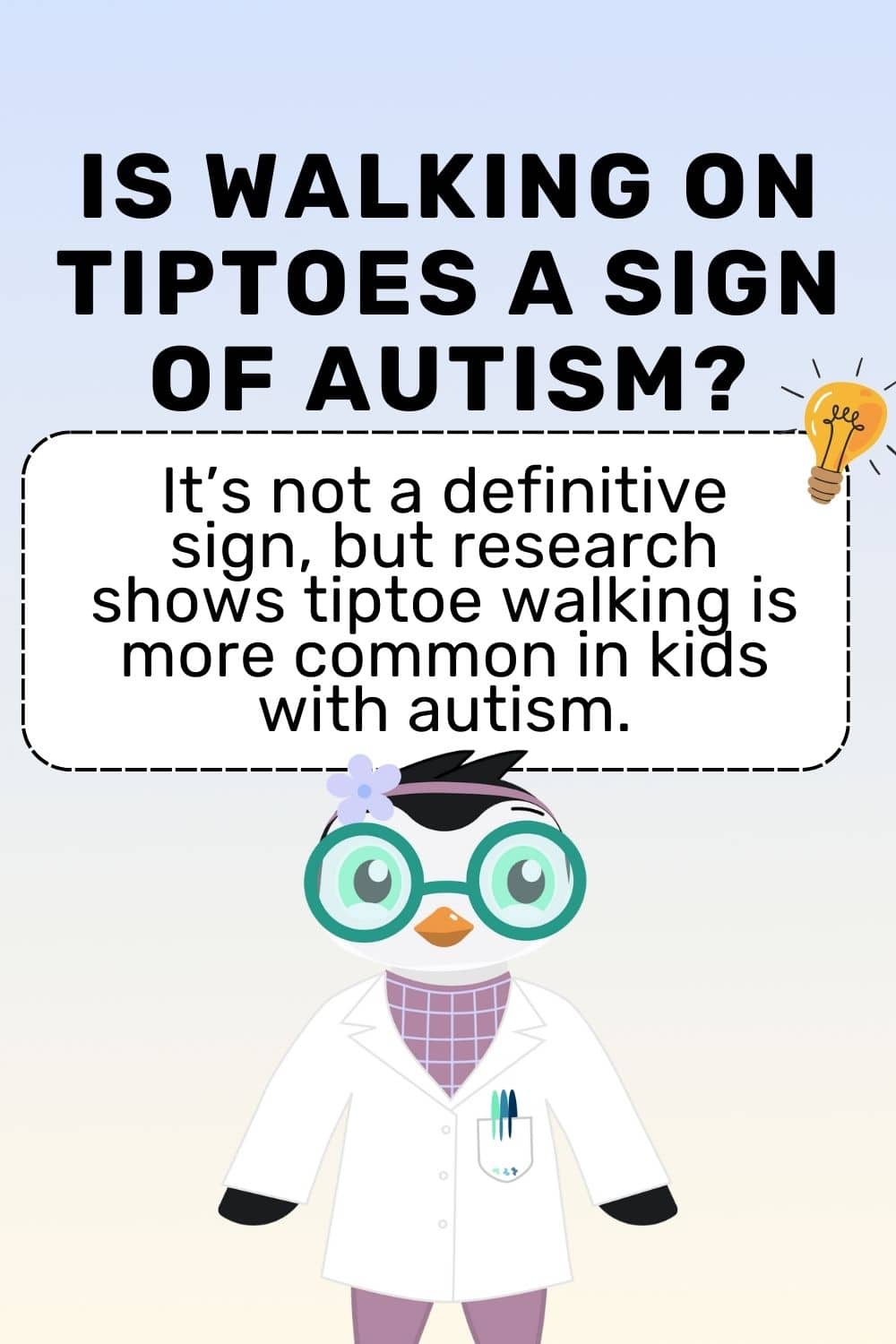
While toe walking can be seen in kids with autism, not all kids who walk on their toes have autism. It’s important to consult a professional for a proper assessment.
At what age should I be concerned about toe walking?
If your child continues toe walking beyond age 5 or 6, it’s a good idea to consult a pediatrician or specialist. Early intervention can help correct walking patterns.
Can idiopathic toe walking be treated?
Yes, treatments like physical therapy, orthotics, and behavioral techniques can help manage idiopathic toe walking. Early and consistent intervention often leads to improvement.


Idiopathic toe walking (ITW) is a gait pattern characterized by persistent forefoot weight-bearing during ambulation, in the absence of an identifiable neurological, orthopedic, or psychiatric cause. This condition typically manifests in early childhood and may persist if left untreated. Approximately 5-12% of healthy children exhibit idiopathic toe walking at some point during their development.

Idiopathic toe walking can sometimes be linked to other conditions. While it’s often a standalone issue, parents should be aware of potential associations.
| Condition | Relationship to Toe Walking |
|---|---|
| Autism Spectrum Disorder | More common in children with ASD |
| Sensory Processing Disorders | May trigger toe walking behavior |
| Developmental Coordination Disorder | Can include toe walking as a symptom |
| Muscular Dystrophy | Rarely, an early indicator |
It’s important to remember that toe walking doesn’t always mean a child has these conditions. If you’re concerned, talk to your pediatrician for guidance.