Picture a bustling classroom filled with chattering children; most are engaged, some are daydreaming, and then there’s one — your child — unfocused, restless, struggling with ADHD. This initial image can create a knot of apprehension in any parent’s heart. As a professional who often works with children, I want to ease that knot into several solutions — particularly ADHD classroom strategies. Throughout this enlightening journey, we’ll explore how specific strategies can help manage classroom distractions, assist in keeping your curious one engaged, and enable them to unlock their full learning potential. We cover various topics such as study habits, behavioral techniques, communication strategies, and much more to provide an empowered, nuanced perspective on managing ADHD in classroom settings. Now, picture that same classroom… and breathe because help is coming!
Table of Contents
Create a Consistent Routine
As someone who has spent countless hours working with neurodivergent kids, I can say confidently that routine and structure have a real transformative power. Establishing a stable daily routine is like laying a solid foundation—an anchor, in a way—that navigates your child through the sea of classroom activities. When there’s a predictable pattern, children with ADHD feel more at ease and less flustered. After all, knowing what comes next can be quite comforting.
And it’s not just the establishment of routine; it’s also about putting it in writing. An easily accessible, written schedule helps such kids keep track of their tasks and gradually cultivates their ability to follow through. For example, a visible poster or chart that clearly lists the day’s tasks or rules helps children visualize their day and slowly learn the rhythm of regular activities.
Instructions
Now let’s talk about instructions. Suppose you’ve ever transformed a complex IKEA flat-pack into a tangible piece of furniture. In that case, we’ve all been there, staring at the tangled web of instructions, feeling overwhelmed. To kids with ADHD, classroom instructions can sometimes feel the same. And so my advice is this: keep it simple and break it down.
Goally | The Tablet for Neurodiverse Kids

Not to discredit your child’s intelligence—quite the contrary. It’s about making information more digestible and less abstract. So, if a task requires multiple steps, break it down. Like unraveling a necklace chain, breaking a complex problem into smaller tasks makes managing it easier. Also, consider delivering instructions orally and in writing; this helps cater to auditory and visual learners.
Feedback
Acknowledgment is powerful, and even more so for kids with ADHD. Providing frequent feedback not only keeps your child’s attention engaged but also reinforces positive behavior. For instance, when a child performs a positive action—let’s say, following instructions promptly—a pat on the back or a word of praise can go a long way. Believe me, I’ve seen the magic itself.
However, it’s not always about praising; at times, it involves respectful redirection. If your child strays from a task, a gentle reminder or correction helps to steer them back on track. Remember, the goal is not to criticize but to constructively guide and foster a sense of self-confidence and self-improvement within your child.
Breaks
Ever tried to focus on a task for too long and felt your attention wavering? That’s exactly why brain breaks are essential; they provide a much-needed respite. Just like everyone else, kids with ADHD can become disengaged or unproductive after a period of sustained mental activity. Offering small, frequent breaks can make a radical difference to their focus levels.
Besides these regular intervals, pay close attention to your child’s behavior. If you notice them drifting away, it’s likely a good time for a micro-break. You might be surprised at how a few moments of decompression can recharge their batteries and keep them on the ball.

Read more: 5 Autism Teaching Strategies for Your Classroom
As for the nature of breaks, shake it up! They can be as simple as a stretch, a quick game, or a minute of quiet time. What’s important is the change of pace, a switch of gears that can refresh and rejuvenate an ADHD mind.
Seating
Location, location, location. This isn’t just about real estate; it pertains to the classroom just as well. Where your child sits can influence how well they can focus and learn. If possible, seat your child right in front of your desk. It helps them feel more connected to you and the learning process.
Having said that, respecting your child’s individual needs is essential — some children might find sitting near the teacher distracting. Similarly, positioning them away from windows and doors can help avoid disruptions that might divert their attention. Do you remember when we discussed routines? In the same light, preferential seating – a consistent place where your child feels comfortable and can focus best, might be a useful strategy. Check out our Classroom Behavior Chart with a free download.
Activities
Remember playing the hot potato game during fun family picnics? The rapid, intense activity that had everyone’s adrenaline pumping? That’s the kind of energy we’re going to tap into. Diverse and dynamic activities are a game-changer for kids with ADHD, infusing learning with an element of excitement.
For instance, consider incorporating competitive games or rapid, intense activities that captivate your child’s attention. But remember, the key to success is balance. Alternate seated activities with physical activities to provide a variety of learning modes — this could be as simple as standing up to read or moving to different learning stations for different tasks.
Try Goally For Your Child With ADHD
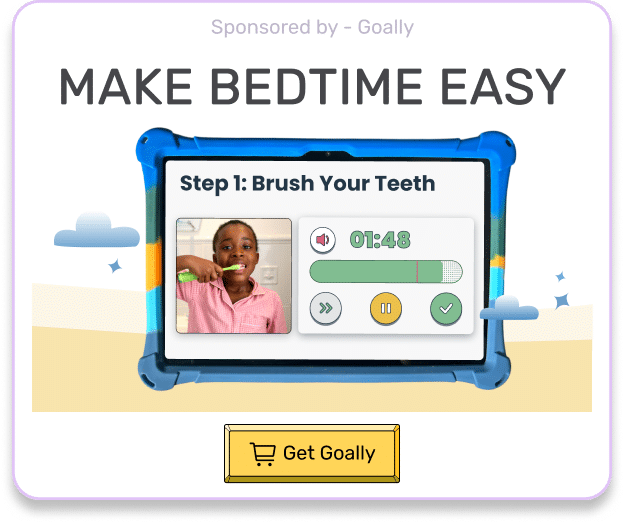
Goally is an excellent option for many families that have a child with ADHD. Use game play as a points-based motivator for your kiddo with ADHD, help them learn emotional regulation skills, and watch them grow! It’s simple to set up and has an expert-informed design.
So there you have it, a basket of practical and effective ADHD classroom strategies. While each caters to different needs, remember that these are all parts of the same puzzle — understanding and supporting your child in their unique learning journey. Every step contributes to that all-important bigger picture, no matter how small.

Emily is a seasoned blog writer for Goally, leveraging her extensive background in child psychology and special education to provide valuable insights and resources for parents. Her commitment to understanding and addressing the unique needs of these children, combined with her expertise in educational strategies, makes her a credible and empathetic voice for families.