Trusted by 100,000+ Families

What is Noonan Syndrome?

Home>>Neurodiversopedia>>N Terms

Summary

summary

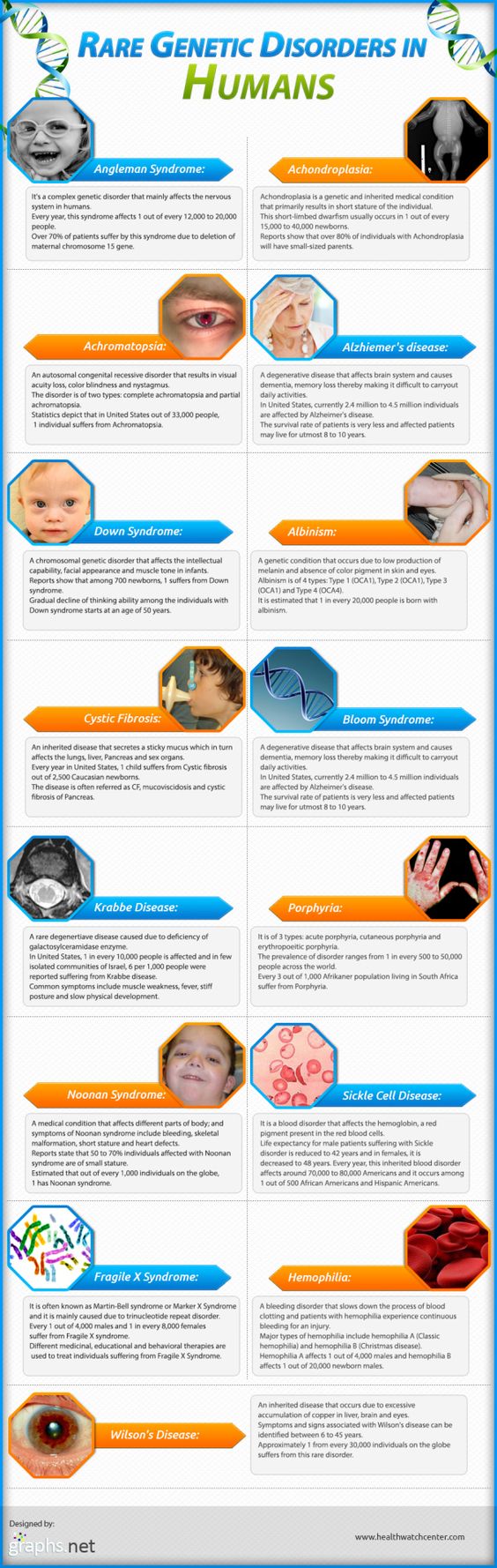
Noonan syndrome is a condition that some people are born with. It can affect how they grow, look, and feel. It’s important to know that people with Noonan syndrome are special and unique, just like everyone else. They may need extra care and support, but they can achieve wonderful things.

Frequently Asked Question

donut

How is Noonan syndrome diagnosed?

Diagnosis typically involves a combination of physical exams, medical history, genetic testing, and assessing the presence of characteristic features and symptoms.

Can people with Noonan syndrome lead fulfilling lives?

Yes, with early intervention, supportive care, and a strong support network, individuals with Noonan syndrome can lead fulfilling lives, pursue their dreams, and achieve their potential.

Is Noonan syndrome hereditary, and can it be passed down in families?

Yes, Noonan syndrome can be inherited in an autosomal dominant manner, meaning there is a chance of passing it down from a parent to their child. Genetic counseling can provide more information about the risk of transmission.

Are there support groups for families dealing with Noonan syndrome?

Yes, there are numerous support groups and online communities where parents and individuals with Noonan syndrome can connect, share experiences, and access valuable resources for guidance and emotional support.

Scientific Definition

scientist

Noonan syndrome is a genetic disorder that can cause various physical and developmental differences in individuals. It is usually diagnosed in childhood or early adulthood. People with Noonan syndrome may have distinctive facial features, heart problems, growth challenges, and learning differences. It’s important to remember that each person with Noonan syndrome is unique, and their needs and abilities can vary widely. Early intervention and support can make a big difference in their lives.

Treatment for Noonan Syndrome

When it comes to treating Noonan syndrome, it’s important to remember that every person is unique. Here are some strategies that can help:

Treatment Options Description
Regular Medical Checkups Schedule routine visits with healthcare professionals who understand Noonan syndrome. They can monitor your child’s growth, heart health, and development.
Therapies Occupational, speech, and physical therapy can help your child build important skills. Imagine your child making progress with the support of caring therapists.
Educational Support Schools can provide individualized education plans (IEPs) to address your child’s learning needs. Picture your child thriving with the proper educational support.
Medications In some cases, medications may be prescribed to manage specific symptoms or health issues. Discuss with your healthcare team.
Emotional Support Surround your child with love and understanding. Building a strong support system can be invaluable.
Long-Term Outlook With early intervention and ongoing care, many individuals with Noonan syndrome lead fulfilling lives. The prognosis varies, but they can achieve their dreams with proper support.

Remember, you’re not alone on this journey. Reach out to support groups, connect with other parents, and seek guidance from medical professionals. 

Symptoms of Noonan Syndrome

Noonan syndrome can have a range of symptoms, and it’s essential to recognize them early. Here’s a quick overview:

  • Facial Features: Children with Noonan syndrome may have distinctive facial features, such as wide-set eyes, low-set ears, and a short neck.
  • Heart Issues: Some may experience heart problems, like heart murmurs or structural abnormalities. Regular check-ups are crucial.
  • Growth Delays: Children may be shorter than their peers and grow slower. Monitoring growth and nutrition is essential.
  • Learning Challenges: Many kids with Noonan syndrome may benefit from extra help in school. Individualized education plans (IEPs) can provide support.
  • Bleeding Problems: Easy bruising and bleeding can occur. Be cautious, especially during physical activities.
  • Behavioral and Emotional Sensitivities: Sensitivities to sensory stimuli and social challenges may require patience and understanding.

Early recognition and intervention can make a significant difference in managing Noonan syndrome. Regular medical check-ups and a supportive environment can help children with Noonan syndrome thrive.