Trusted by 100,000+ Families

What is the Phonological Process of Cluster Reduction?

Home>>Neurodiversopedia>>P Terms

Summary

summary

Cluster reduction, like turning spoon into poon or stop into top, is a common simplification of words in kids’ speech development. While most children outgrow this pattern by age 3 or 4, speech therapists and teachers can assist those who need help in improving their speech clarity.

Frequently Asked Question

donut

Is cluster reduction considered a speech sound disorder?

Cluster reduction is not considered a speech sound disorder if it occurs during early speech development; it is only considered problematic if it persists in children with speech sound disorders or developmental delays.

Can parents help their child overcome cluster reduction?

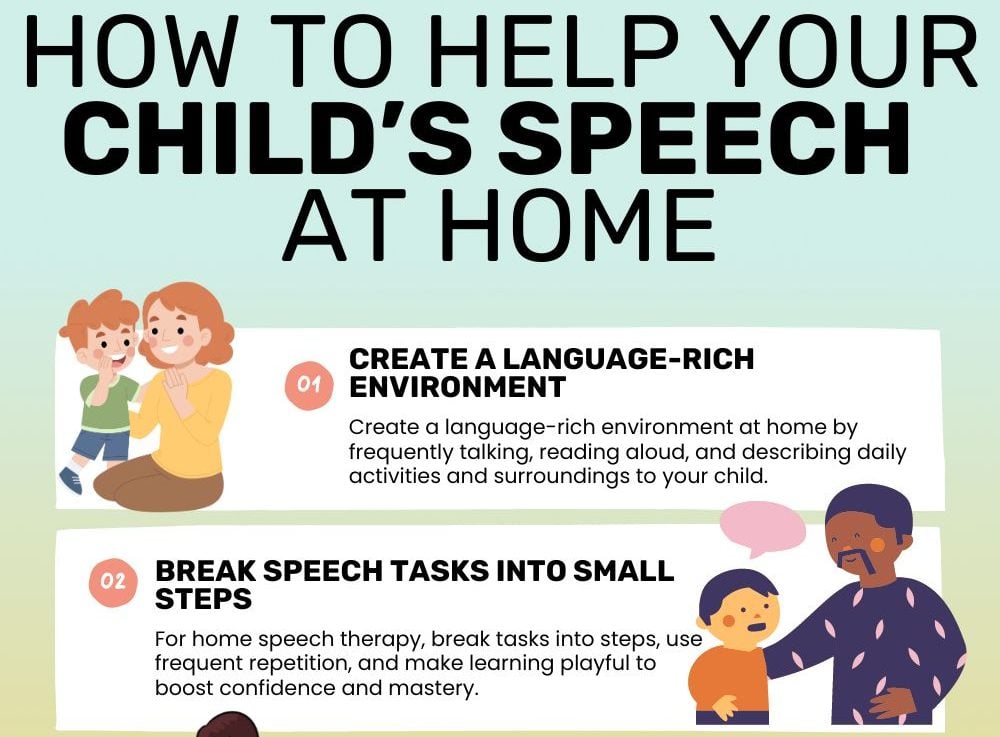
Parents can play a role in supporting their child’s speech development by engaging in speech and language activities at home and working closely with their child’s speech therapist or teacher.

What interventions can be used to address cluster reduction?

Speech-language pathologists and special education teachers may use targeted interventions that focus on breaking down words into smaller components, practicing specific sounds, using visual aids or physical cues, and practicing these sounds in different words and phrases to help children overcome cluster reduction.

Can cluster reduction affect my child's overall communication abilities?

Cluster reduction can impact a child’s overall communication, as it may lead to misunderstandings or hinder their ability to express themselves clearly. Seeking professional guidance from a speech therapist can assist in addressing this issue.

Scientific Definition

scientist

Cluster reduction, a common phonological process in children’s speech development, simplifies speech sounds by omitting consonants from consonant clusters. For instance, “stop” may become “t.” While this is typically a natural phase that resolves by ages 3-4, it can persist in children with speech sound disorders or developmental delays. Special education teachers and speech-language pathologists assist children in improving speech production through targeted interventions, breaking down words and practicing specific sounds to enhance clarity. Parents can support their child’s speech development by participating in speech and language activities at home and maintaining close collaboration with their child’s speech therapist or teacher.

Video Explanation

video-explanation

Real World Example of Phonological Process of Cluster Reduction

Charlie was a spirited 3-year-old with a unique way of speaking. His parents noticed that he often said “poon” instead of “spoon” and “top” for “stop.” Concerned but determined to help their son, they embarked on an adventure to conquer ‘cluster reduction.’

  • Discovering the Challenge: Charlie’s parents realized that their son was experiencing ‘cluster reduction’ when he pronounced words differently from his peers.
  • The Consultation: They decided to consult with a speech therapist who explained that cluster reduction was a common phase in speech development but could persist in some cases.
  • The Game Plan: Charlie’s therapist, Sarah, created fun games and exercises to target his speech sounds. They practiced saying words like “spoon” and “stop” together.
  • Home Practice: Charlie’s parents continued these exercises at home, making speech therapy a playful part of their daily routine.
  • Progress: Over time, Charlie’s “poon” became “spoon,” and “top” transformed into “stop.”
  • Celebrating Success: Charlie’s family celebrated each small victory, boosting his confidence.

Cluster reduction was just a bump on Charlie’s language journey. With the right support, he blossomed into a confident speaker, showing that persistence and teamwork can overcome speech challenges.

How Does The Phonological Process of Cluster Reduction Appear?

The Phonological Process of Cluster Reduction is a fancy term, but we all do it daily without even realizing it! Here are some examples of how cluster reduction plays out in our conversations:

  1. Instead of saying “play,” some people might say “pay.”
  2. Instead of saying “sprint,” some people might say “print.”
  3. Instead of saying “twelve,” some people might say “elve.”
  4. Instead of saying “black,” some people might say “back.”
  5. Instead of saying “spider,” some people might say “pider.”

As we mentioned earlier, this is normal in kids still learning to talk. But cluster reduction can be more difficult to overcome for people who struggle with speech sound disorders or developmental delays. Speech-language pathologists and special education teachers work with these individuals to help them improve their speech production and communication skills. So if someone you know has trouble saying certain words, don’t worry – professionals can help you!


This post was originally published on April 12, 2023. It was updated on Jan. 3, 2024.