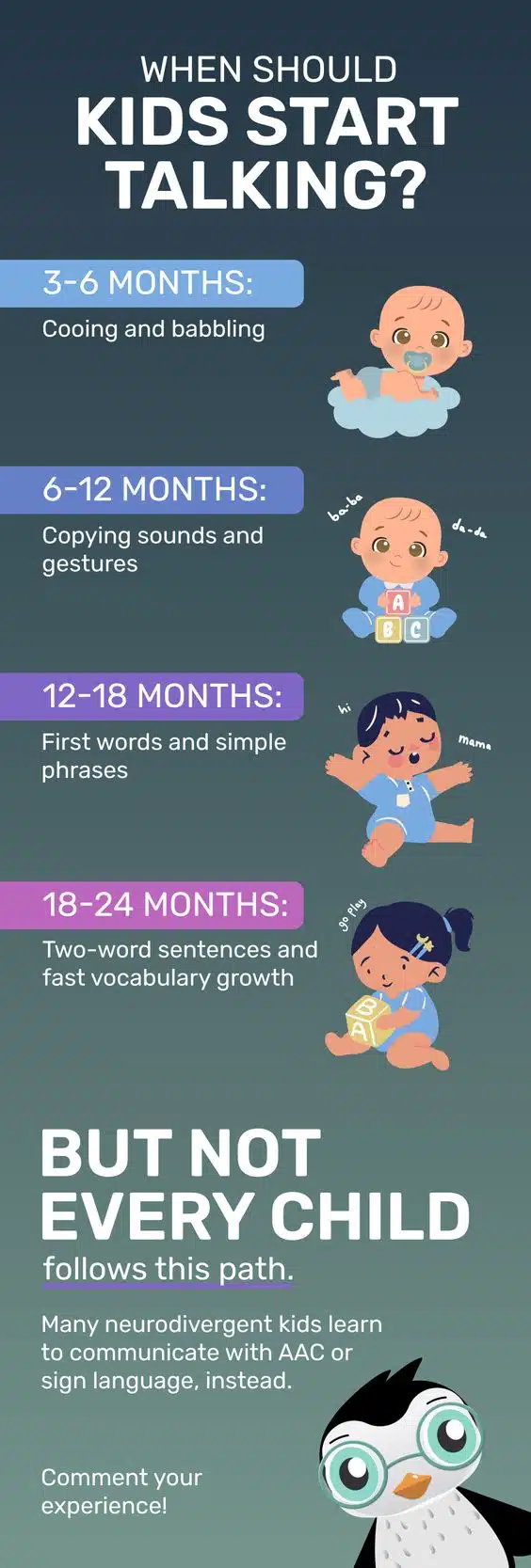
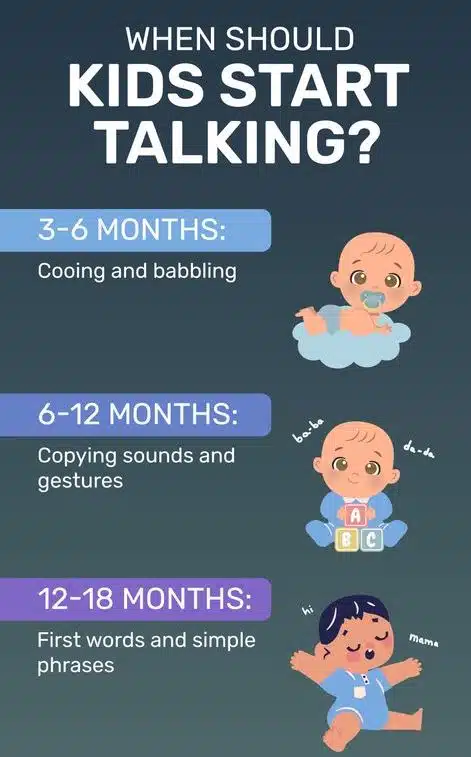
When it comes to speech development in children, it’s essential to grasp the concept of “backing.” This process involves the substitution of front sounds like “t” and “d” with back sounds like “k” and “g.” Here’s how backing works and some practical insights for parents:
- Sound Substitution: Backing occurs when children replace front sounds with back sounds in words, such as saying “kime” for “time.”
- Common Instances: Kids often exhibit backing, pronouncing words like “gog” instead of “dog.”
- Developmental Stage: Backing is a common part of early speech development, helping children practice their pronunciation.
- Age Expectations: Most children naturally outgrow backing as they grow older and refine their speech.
- Possible Concern: If a child continues to use backing past a certain age, it may be a sign of a speech delay that requires attention.
- Supportive Approach: Parents, teachers, and speech therapists can provide assistance and interventions when needed, ensuring a child’s speech development progresses smoothly.
Understanding how backing functions empowers caregivers to foster their child’s speech development effectively, offering support where it’s needed most.
This post was originally published on April 12, 2023. It was updated on Jan. 3, 2024.