Trusted by 100,000+ Families

What is REM Behavioral Disorder?

Home>>Neurodiversopedia>>R Terms

Summary

summary

REM Behavioral Disorder (RBD) is when a person’s body doesn’t “turn off” during sleep as it should. This can make them act out their dreams, like talking, moving, or kicking. It’s important to know that RBD can also happen to people with special needs.

Frequently Asked Question

donut

Who can be affected by RBD?

RBD can impact people of various ages, including children, adults, and individuals with neurodiverse conditions.

How is RBD diagnosed?

Diagnosis involves consulting a medical professional, who might use sleep studies and evaluations to assess symptoms and rule out other conditions.

Can RBD lead to sleep disruptions?

Yes, RBD can result in fragmented sleep patterns, causing daytime fatigue and affecting overall quality of life.

Is RBD a rare condition?

RBD is relatively uncommon but can occur in individuals without any underlying health conditions as well as those with neurological disorders.

Scientific Definition

scientist

REM Behavioral Disorder (RBD) is a sleep disorder where normal muscle paralysis during the Rapid Eye Movement (REM) stage of sleep is incomplete or absent. This results in individuals physically acting out their dreams, sometimes vividly and energetically. This disorder is most commonly associated with disrupting the brain’s signaling pathways that regulate the transition between REM sleep and wakefulness. It’s essential to note that RBD can also occur in individuals with neurodiverse conditions. If you suspect someone might have RBD, consulting a medical professional experienced in sleep disorders can provide valuable insights and guidance.

Treatment for REM Behavioral Disorder

Discovering effective treatments for REM Behavioral Disorder (RBD) can positively impact your child’s sleep and overall well-being. Consider these strategies to help manage RBD symptoms:

  • Create a Relaxing Bedtime Routine: Incorporate calming activities before bed, like reading a book or listening to soothing music, to promote restful sleep.
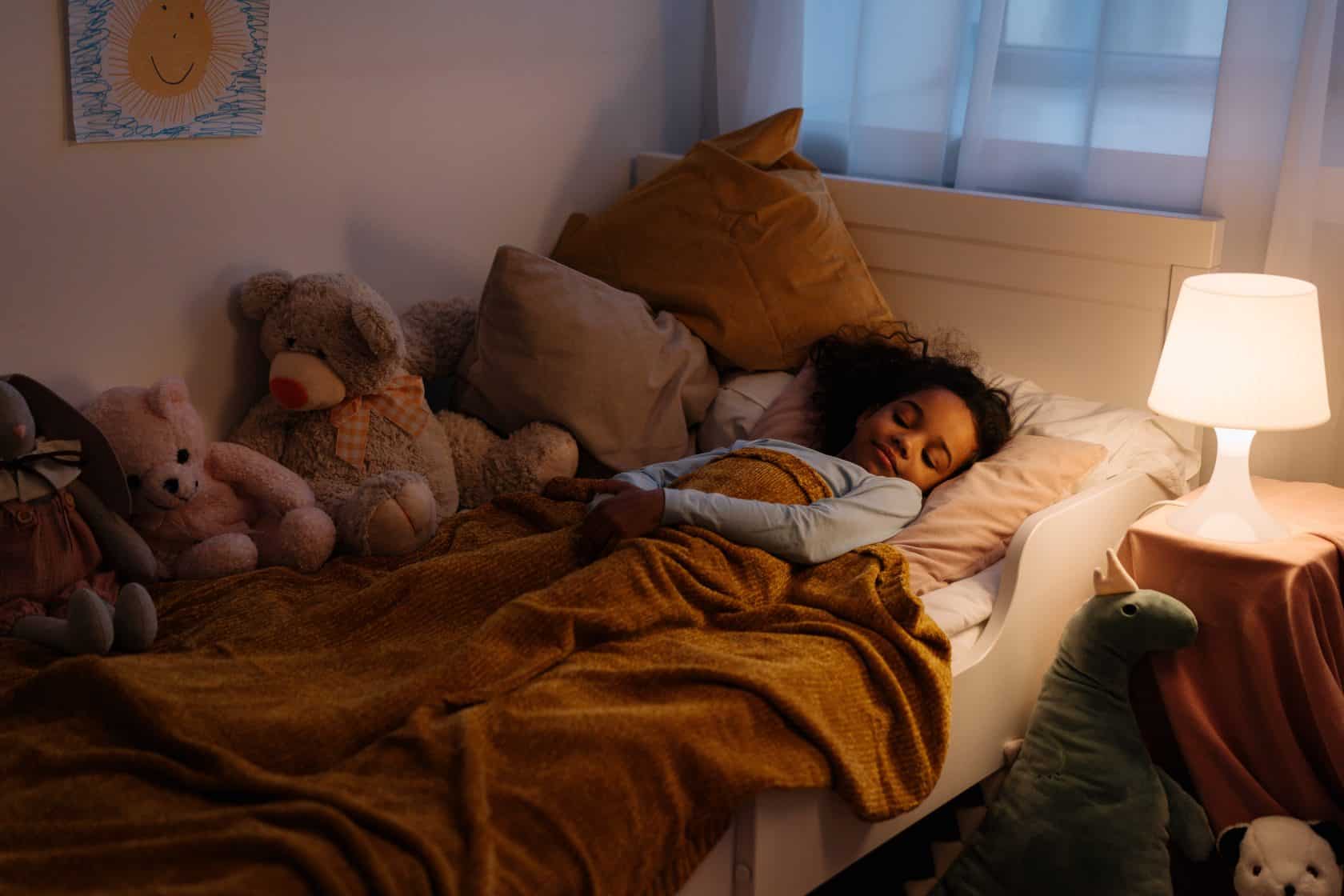
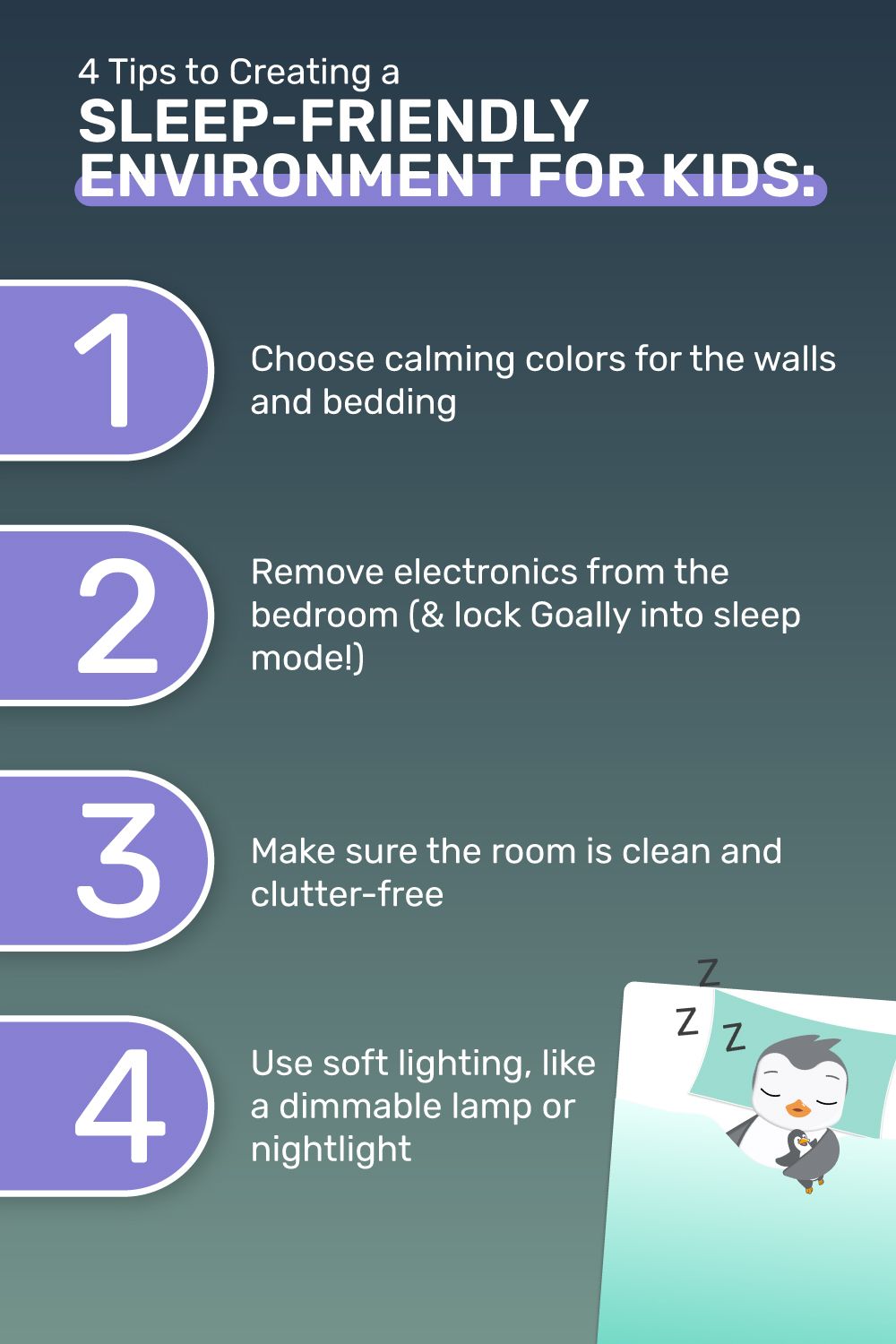
  • Modify Sleep Environment: Ensure the sleep space is safe and clutter-free, reducing the risk of injury during RBD episodes.
  • Consult a Medical Professional: Seek guidance from a sleep specialist or neurologist to explore tailored treatment options, including medication if necessary.
  • Implement Digital Visual Schedules: Utilize tools like Goally’s digital schedules to establish consistent sleep routines, aiding in better sleep quality.
  • Practice Relaxation Techniques: Teach your child deep breathing exercises or progressive muscle relaxation to manage anxiety and improve sleep.

With appropriate treatment and lifestyle adjustments, many children with REM Behavioral Disorder can experience improved sleep quality and reduced symptom severity. Working closely with medical professionals to find the best approach for your child’s unique needs is essential.

Symptoms of REM Behavioral Disorder

Recognizing the symptoms of REM Behavioral Disorder (RBD) can help parents understand and manage this condition effectively. RBD symptoms are noticeable during sleep and might include the following:

  • Vigorous Movements: People may act out their dreams by kicking, punching, or flailing their arms.
  • Vocalizations: Shouting, yelling, or talking during sleep can occur due to dream-related activities.
  • Safety Concerns: Individuals with RBD might pose a risk to themselves or their sleep partners due to these energetic movements.
  • Fragmented Sleep: RBD can disrupt sleep patterns, causing daily fatigue.
  • Memory of Dreams: People might recall vivid and detailed dreams, often involving physical actions.

Safety measures in the sleep environment can help prevent injuries during RBD episodes. Goally’s tablet apps, featuring schedules, emotional tools, and skill videos, assist children with REM Behavioral Disorder. This holistic approach aids skill development and disorder management, benefiting kids and parents.