Receptive communication is how your child understands words and information from others. It’s about listening, processing, and understanding what they hear.



Receptive communication is how your child understands words and information from others. It’s about listening, processing, and understanding what they hear.


My child seems to struggle with following instructions. Could this be related to receptive communication challenges?
Yes, difficulties in following instructions might indicate challenges in processing and comprehending spoken language, which could be addressed through targeted interventions.
Can receptive communication challenges improve over time?
Yes, with consistent support, specialized strategies, and a nurturing environment, many children can make significant progress in their receptive communication skills, enhancing their ability to understand and interact with the world around them.
Are there any signs that my child might be experiencing receptive communication challenges?
Signs include difficulty following directions, struggling to understand jokes or sarcasm, and appearing confused or lost in conversations.
What can I do to promote social interaction despite my child's difficulties in understanding nonverbal cues?
Engaging in structured social skills training, role-playing, and using visual cues can help your child better interpret nonverbal cues and navigate social interactions more effectively.


Receptive communication refers to the ability of a child with neurodivergent conditions to comprehend and interpret spoken language, gestures, or other forms of communication from their environment. This encompasses their capacity to process verbal and nonverbal cues, extract meaning, and integrate this information into their world understanding. Challenges in receptive communication lead to difficulties in understanding instructions, following conversations, or grasping nuances in communication, even though their expressive communication skills may be well-developed. Caregivers and educators must provide tailored support and strategies that align with the child’s unique processing style and preferences, fostering an inclusive environment that encourages effective communication and learning.

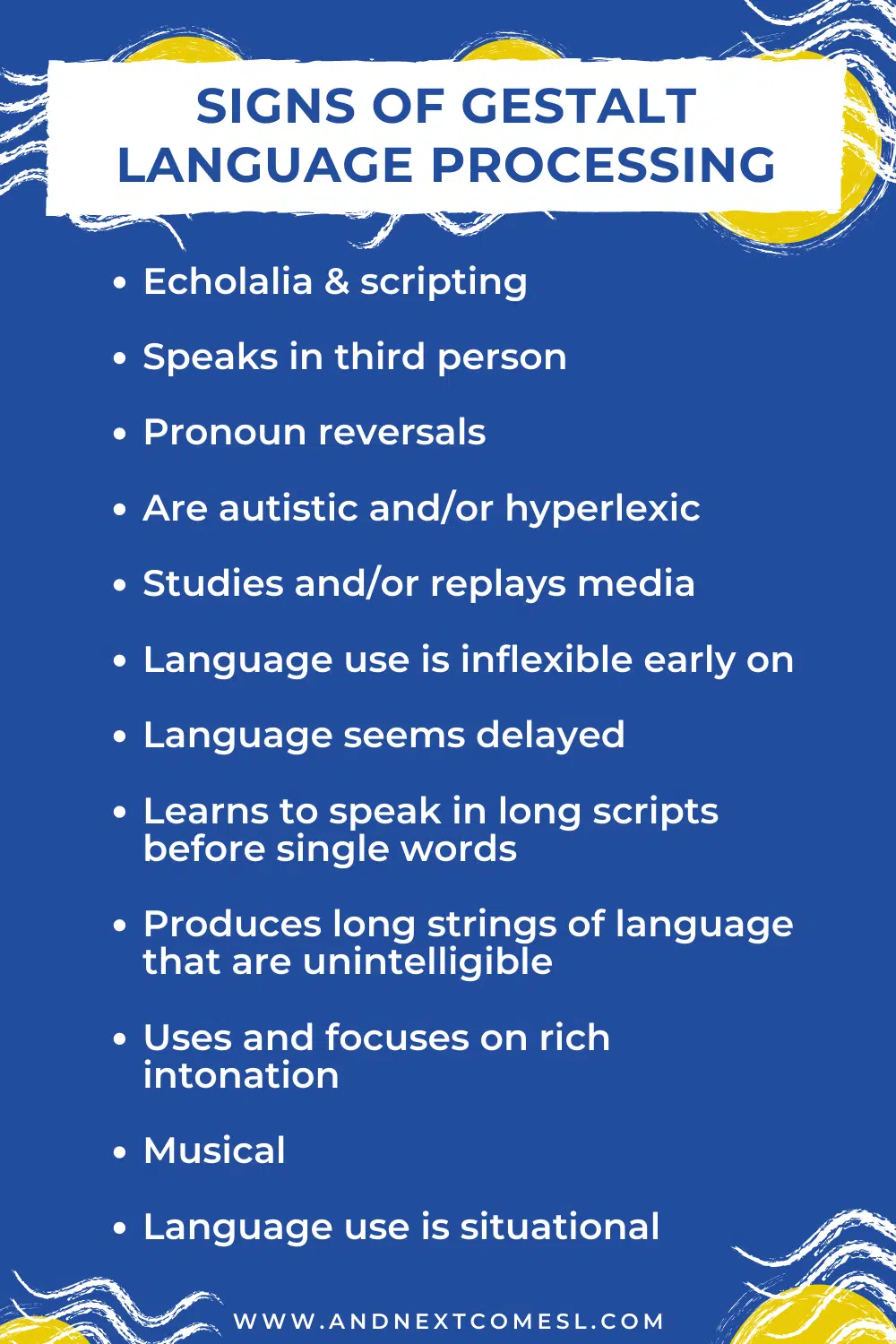
Children with various neurodivergent conditions might experience challenges in receptive communication. These conditions can impact how they process and understand spoken language and other forms of communication. Here are some examples:
In supporting children with these conditions, it’s crucial to tailor communication strategies to their needs, preferences, and strengths. Goally’s tablet apps, like visual schedules and gamified learning, assist neurodivergent children in improving receptive communication. Combined with emotional regulation and social skills training, it fosters a comprehensive approach to enhancing language abilities.