Prompting is a technique used to help kids with special needs learn new skills or complete tasks. It involves giving hints or cues to guide the child towards the correct action or response.



Prompting is a technique used to help kids with special needs learn new skills or complete tasks. It involves giving hints or cues to guide the child towards the correct action or response.


Why is prompting important for individuals with autism?
Prompting is important for individuals with autism because it helps them learn new skills and become more independent. It provides a structure for them to understand and follow the steps to complete a task.
What are the different types of prompting?
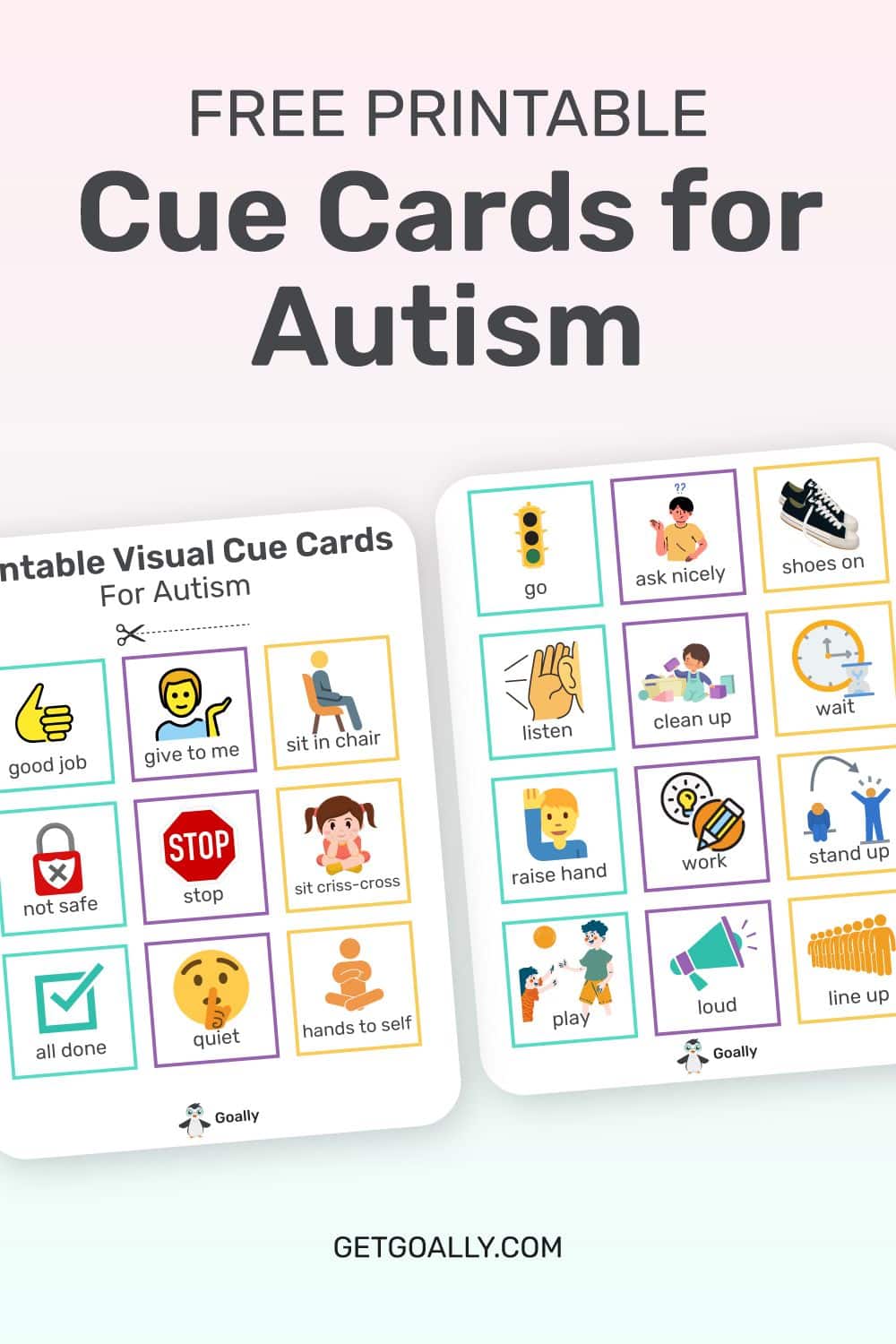
The different types of prompting include verbal, physical, and visual. Verbal prompts are words or phrases, physical prompts are gentle touches or gestures, and visual prompts are pictures, signs, or symbols.
How is prompting used in therapy and education?
Prompting is used in therapy and education to help individuals with autism learn new skills and perform behaviors. It provides support and guidance to help them become more independent and successful.


Prompting is a teaching strategy employed in special education to assist students with disabilities in acquiring new abilities or performing specific actions. It entails providing verbal, visual, or physical cues to scaffold the learning process and encourage the desired behavior. Prompts are gradually faded as the child gains mastery over the skill, fostering independence.

Prompting is a powerful technique that assists individuals with autism in acquiring new skills and behaviors. Here are some key points to understand how prompting works
| Step-by-Step Guidance | Prompting breaks down tasks into manageable steps, allowing individuals with autism to follow along and complete each step successfully. |
|---|---|
| Visual Cues | Visual prompts, such as pictures, symbols, or signs, serve as visual reminders, helping individuals understand what needs to be done. |
| Verbal Reminders | Verbal prompts involve using simple words or phrases to prompt individuals with autism and remind them of the task at hand. |
| Physical Support | Physical prompts utilize gentle touches or gestures to guide individuals through the necessary actions, ensuring they stay on track. |
| Gradual Fading | Over time, prompting is gradually reduced as individuals gain proficiency, promoting independence and self-reliance. |
In conclusion, prompting is an effective approach that supports individuals with autism by providing the necessary guidance and reminders to successfully accomplish tasks and learn new skills.
This post was originally published on Feb. 13, 2023. It was updated on June 19, 2024.