Palilalia is when someone repeats words or phrases involuntarily. Imagine your child saying the same word repeatedly without meaning to—it’s like a verbal echo. This is a common trait in neurodivergent individuals.



Palilalia is when someone repeats words or phrases involuntarily. Imagine your child saying the same word repeatedly without meaning to—it’s like a verbal echo. This is a common trait in neurodivergent individuals.


When should I seek help for my child's palilalia?
If you notice persistent and disruptive repetition affecting your child’s communication, it’s advisable to consult with a healthcare professional or a speech-language pathologist for an assessment and appropriate guidance.
Can palilalia be treated?
Yes, treatment options such as speech therapy, visual supports, and positive reinforcement strategies can significantly improve communication skills and manage palilalia symptoms effectively.
Is palilalia common in children with autism?
Yes, palilalia is frequently observed in individuals with autism spectrum disorder, but it can also occur in association with other neurodevelopmental disorders.
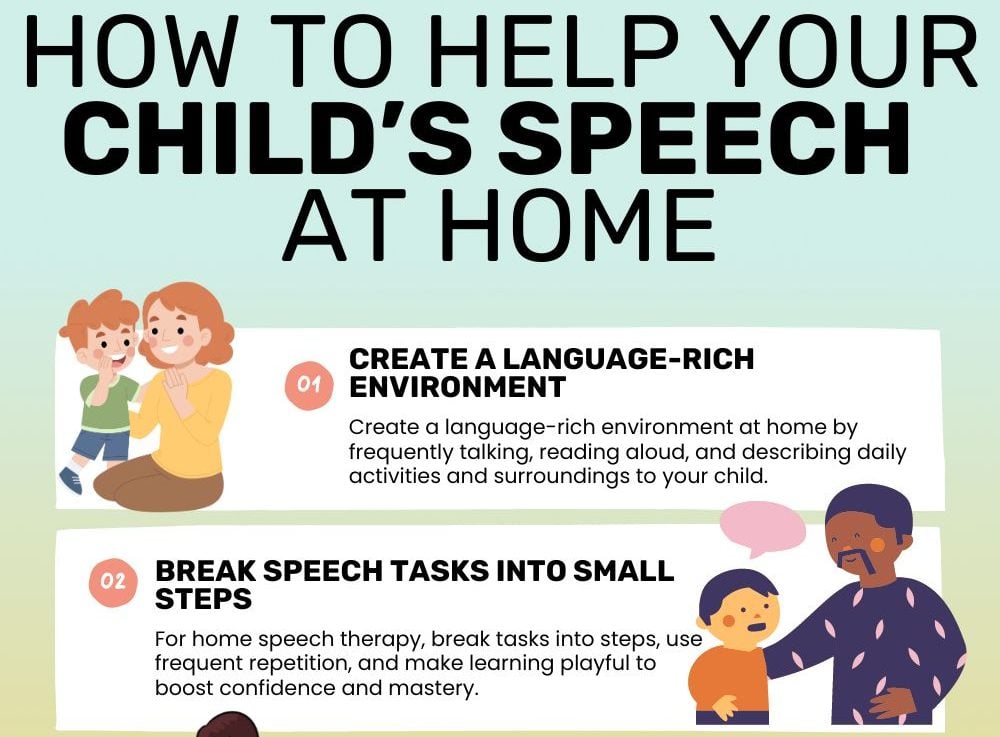
How can I support my child with palilalia at home?


Palilalia is a speech disorder characterized by the involuntary repetition of words, phrases, or sentences that the individual has just spoken. This behavior is often seen in kids with autism, Tourette syndrome, or other neurological conditions. It is thought to be linked to issues in the brain’s speech control centers, particularly those involved in planning and executing speech patterns.

Palilalia is not something kids do on purpose; it’s automatic and often tied to emotions or brain function. Here’s how it typically appears:
| Example | Description |
|---|---|
| Excited Repetition | Repeats phrases when feeling excited or overstimulated. |
| Routine Phrases | Says the same familiar phrases, often during daily routines. |
| Quiet Speech | Repeats in a lower voice, sometimes almost a whisper. |
Recognizing palilalia helps parents understand their child’s needs and find strategies to support them better.
This post was originally published on 12/31/2024. It was updated on 09/06/2024.