Trusted by 100,000+ Families

What is Misophonia Autism?

Home>>Neurodiversopedia>>M Terms

Summary

summary

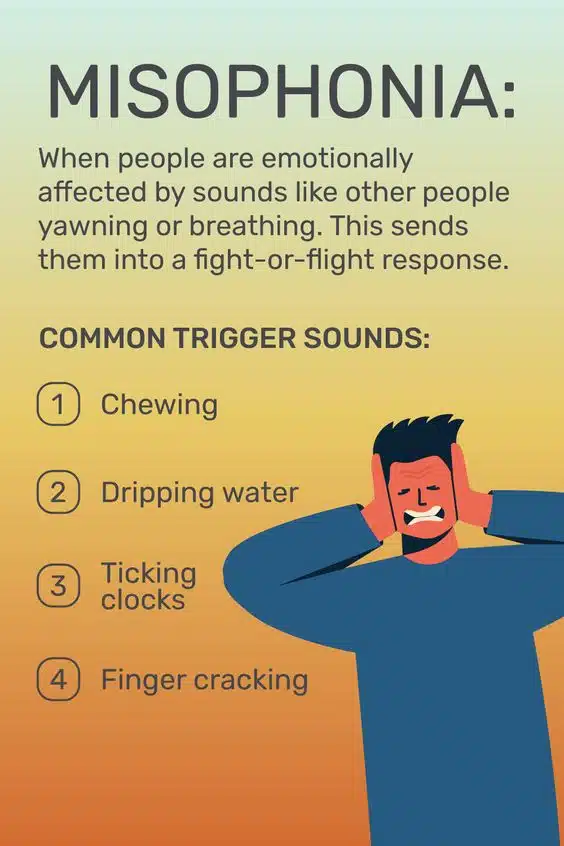
Misophonia autism is a condition in which individuals with autism may experience strong emotional or physical reactions to certain sounds, known as triggers. These triggers can cause significant distress, anxiety, or discomfort for individuals with misophonia autism.

Frequently Asked Question

donut

Is misophonia autism exclusive to individuals on the autism spectrum?

While misophonia can be observed in individuals with autism, it can also occur in individuals without an autism diagnosis. It is not exclusive to autism.

Can misophonia autism affect daily functioning?

Yes, misophonia autism can impact daily functioning, including sleep, social interactions, concentration, and academic or work performance, due to the emotional and physical distress triggered by specific sounds.

Can misophonia autism worsen over time?

Misophonia autism can vary in severity and may fluctuate over time. It is important to implement appropriate management strategies and seek professional support to address the symptoms effectively.

Can misophonia autism be outgrown?

There is currently limited research on the long-term course of misophonia autism. While some individuals may experience improvements or develop better coping mechanisms over time, it is best to focus on managing symptoms and providing ongoing support.

Scientific Definition

scientist

Misophonia autism, also known as auditory over-responsivity, is commonly observed in individuals with autism spectrum disorder (ASD). Intense negative emotional or physical responses to specific sounds or auditory stimuli characterize it. These triggers can vary from person to person and may include common everyday sounds such as chewing, breathing, or tapping. Individuals with misophonia autism may experience heightened anxiety, irritability, anger, or discomfort when exposed to these triggers. It is important to note that misophonia autism is a distinct condition that can coexist with autism but is not exclusive to individuals on the autism spectrum. Proper support, understanding, and management strategies can help individuals with misophonia autism lead more comfortable and fulfilling lives.

Treatment for Misophonia Autism

When it comes to treating misophonia autism, several strategies can help individuals manage their symptoms effectively.

  • Environmental Modifications: Create a calm and quiet environment, use noise-canceling headphones, or provide a designated quiet space for your child to retreat to when triggered.
  • Therapy and Counseling: Seek support from professionals specializing in sensory processing or autism to develop coping mechanisms, relaxation techniques, and strategies to address emotional reactions.
  • Social Support: Encourage open communication with family, friends, and teachers to raise awareness about misophonia autism and establish a support network.
  • Self-Care and Stress Management: Teach your child relaxation techniques like deep breathing or engaging in calming activities such as drawing, listening to soothing music, or practicing mindfulness.

By implementing these treatment options and providing a supportive environment, individuals can develop effective coping mechanisms, reduce the impact of triggers, and improve their overall well-being.

Symptoms of Misophonia Autism

Individuals with misophonia autism may exhibit specific symptoms when exposed to triggering sounds. Recognizing these symptoms is crucial in understanding and managing the condition effectively.

  • Strong emotional reactions (e.g., anger, irritability, anxiety) when exposed to specific sounds.
  • Physical responses such as increased heart rate, sweating, or muscle tension.
  • Difficulty focusing or concentrating when triggered by certain sounds.
  • Avoidance behaviors, such as leaving the room or covering ears, to reduce exposure to triggers.
  • Heightened sensitivity to repetitive or patterned sounds.
  • Impact on daily functioning, including disruptions in sleep, social interactions, and academic or work performance.

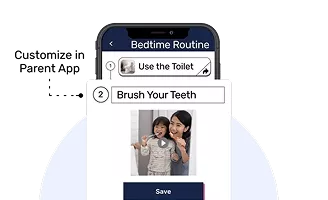
If your child experiences intense reactions to certain sounds, it may be misophonia autism. Goally, a tablet tool, offers apps that support language skills and routines with visual schedules, AAC capabilities, and gamified learning. Additionally, Goally’s apps for emotional regulation, executive functioning, and social skills help manage triggers and enhance well-being.


Editor’s note: This information is not meant to diagnose or treat and should not take the place of personal consultation, as needed, with a qualified healthcare provider and/or BCBA.