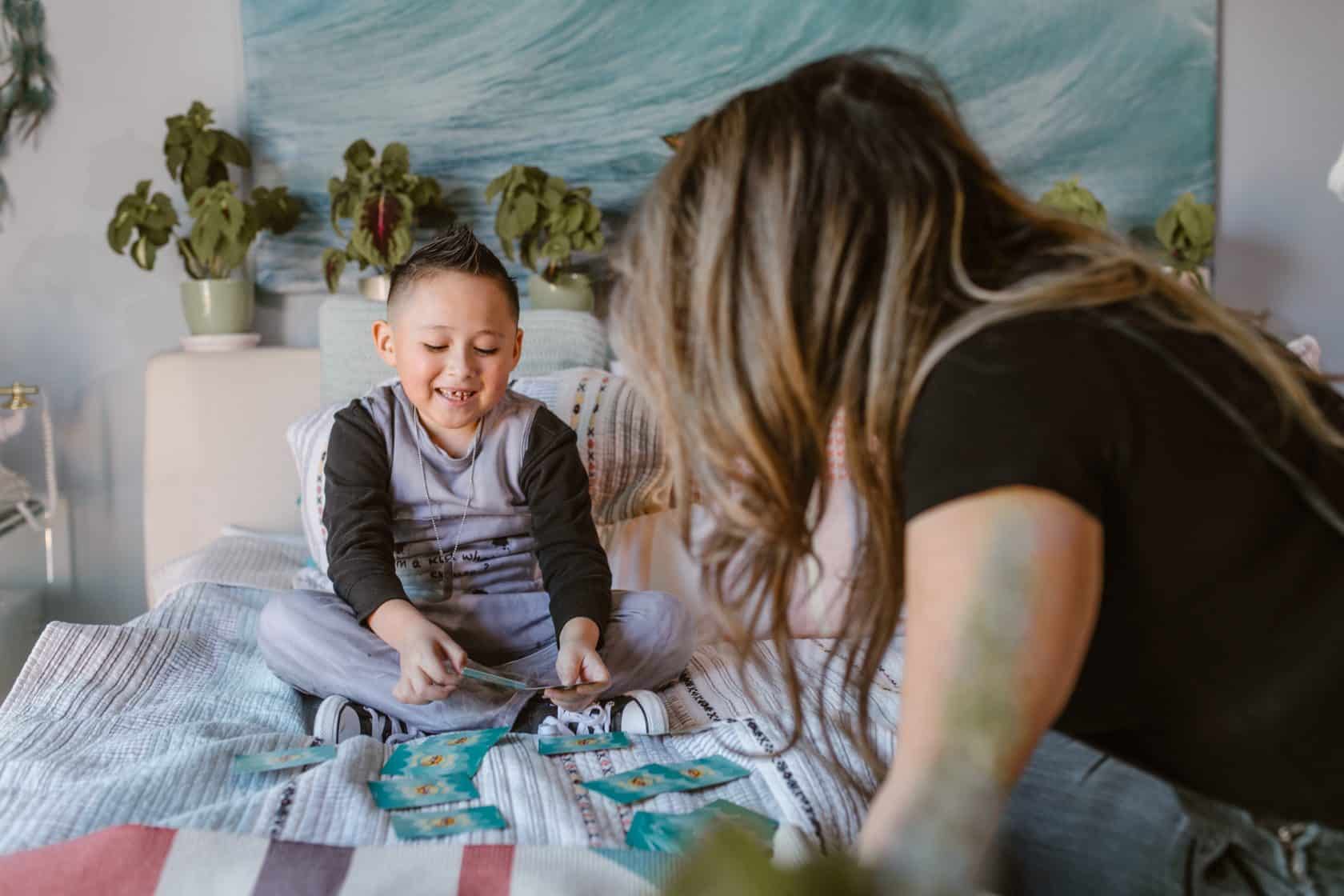
Memory Training is a way to help kids with special needs improve their ability to remember and recall information. It involves fun and engaging activities designed to strengthen memory skills and make learning easier for them.



Memory Training is a way to help kids with special needs improve their ability to remember and recall information. It involves fun and engaging activities designed to strengthen memory skills and make learning easier for them.


Are there any age restrictions for Memory Training?
Memory Training techniques can be adapted for individuals of all ages, making it suitable and beneficial for both children and adults with neurodiversity.
Can Memory Training be incorporated into daily routines easily?
Yes, Memory Training can be seamlessly integrated into daily activities through fun games, repetition, and visualization techniques, making it a practical and enjoyable addition to a child’s routine.
How long does it take to see improvements with Memory Training?
The timeframe for noticeable improvements in memory skills may vary depending on the individual and the consistency of training, but positive changes can often be observed within a few weeks of regular practice.
Can Memory Training help with everyday tasks and routines?
Absolutely! Memory Training enhances memory functions that can improve everyday tasks, such as following routines, remembering to complete chores, and retaining important information at school or during social interactions.


Memory Training, also known as Memory Improvement or Memory Enhancement, refers to strategies and techniques used to enhance memory functions in individuals, especially those with special needs. These techniques aim to optimize memory storage, retrieval, and encoding processes, resulting in improved information retention and recall abilities. Memory Training activities often include exercises, games, and repetition to strengthen memory capabilities and make learning more efficient for children with neurodiversity. These children can experience better academic performance, increased self-confidence, and a more positive learning experience by employing specific memory training methods.

Memory training targets and strengthens different aspects of memory function through specific exercises and techniques. Here are some examples of memory training in action:
Memory training empowers kids with special needs to take control of their learning process by honing memory skills. Goally, with its fun apps like digital visual schedules, AAC, gamified learning, executive functioning, emotional regulation, and social skills training, is an excellent resource for kids with special needs to improve memory and overall cognitive development.