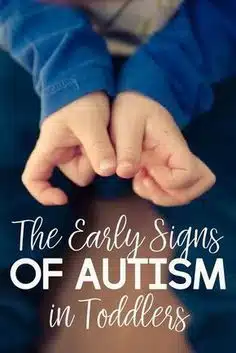
Infantile autism, often called autism, is when a child has a different way of thinking and feeling. Kids with autism might have trouble with talking, playing, and understanding others. It’s like having a unique way of looking at the world.



Infantile autism, often called autism, is when a child has a different way of thinking and feeling. Kids with autism might have trouble with talking, playing, and understanding others. It’s like having a unique way of looking at the world.


Can children with infantile autism lead fulfilling lives?
Absolutely. With early interventions, consistent support, and a nurturing environment, children with infantile autism can achieve significant milestones, develop essential life skills, and build meaningful relationships.
What is sensory sensitivity in children with infantile autism?
Sensory sensitivity refers to heightened reactions to sensory stimuli such as sounds, textures, lights, or smells, which can sometimes cause discomfort or distress.
Can infantile autism be outgrown or cured?
While autism is a lifelong condition, early interventions and therapies can lead to significant improvements in communication, social skills, and overall quality of life.
What support is available for families of children with infantile autism?
Various support networks, parent groups, online resources, and community services offer valuable information, guidance, and a sense of belonging for families navigating the challenges of infantile autism.


Infantile autism, also known as early infantile autism or Kanner’s syndrome, is a neurodevelopmental disorder characterized by impairments in social interaction, communication, and restricted or repetitive behaviors. It is typically diagnosed before the age of 3 years. According to the Centers for Disease Control and Prevention (CDC), about 1 in 54 children has been identified with autism spectrum disorder (ASD).

Understanding the symptoms of infantile autism can offer valuable insights into your child’s world. Recognizing these signs early can provide the best support for their growth and development.
While these signs can guide you, seeking professional guidance for a proper assessment and personalized support is crucial for your child’s development.