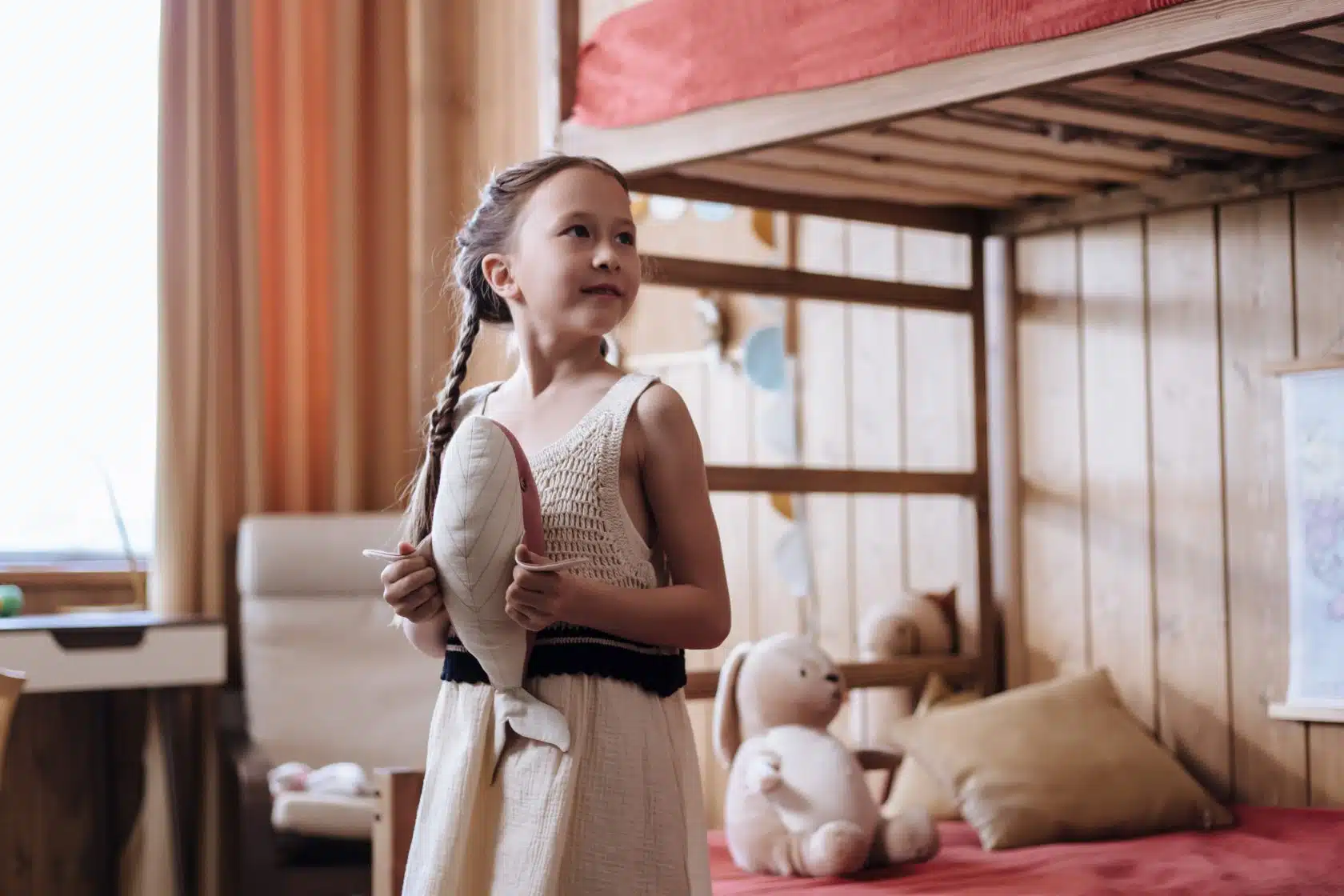
Epicanthus is a fold of skin near the inner corner of the eye, where your upper and lower eyelids come together, right near your nose. Some people have a little fold of skin there.



Epicanthus is a fold of skin near the inner corner of the eye, where your upper and lower eyelids come together, right near your nose. Some people have a little fold of skin there.


Is treatment needed for Epicanthus?
Generally, Epicanthus doesn’t need treatment. If it’s part of another condition, the focus is on treating that underlying issue.
Can Epicanthus be a symptom of other conditions?
Yes, Epicanthus can be associated with certain genetic conditions. If found with other symptoms, it may be worth consulting a specialist.
Is Epicanthus common in specific ethnic groups?
Epicanthus is commonly found in certain ethnic groups and may be considered a normal characteristic within those populations.


Epicanthus is a medial canthal skin fold, a prominent fold of skin that stretches vertically across the inner corner of the eye, where the upper and lower eyelids meet. Often found in infants and varying among ethnicities, this fold may be present in certain genetic conditions. Though typically benign, an epicanthal fold can sometimes indicate underlying chromosomal anomalies and requires further examination when associated with other symptoms.

The long-term prognosis for Epicanthus is generally good, especially when it’s just a normal characteristic. If it’s part of another condition, the focus shifts to managing that underlying issue and the Epicanthus itself is usually of minor concern.
Goally, with its engaging apps and digital visual schedules, can be a part of your child’s development journey, regardless of conditions like Epicanthus. It’s packed with features that help kids build crucial life and language skills, making day-to-day routines like brushing their teeth and bedtime an enjoyable learning experience. Even if Epicanthus is part of your child’s story, Goally is designed to support their growth and success in other vital areas.
| This post was originally published on August 7, 2023. |