Emotional reactivity is when kids have big feelings that come on fast and strong. It’s like their emotions are turned up to high volume, making it hard to stay calm in different situations.



Emotional reactivity is when kids have big feelings that come on fast and strong. It’s like their emotions are turned up to high volume, making it hard to stay calm in different situations.


What is emotional reactivity?
Emotional reactivity is the intensity and quickness of emotional responses to stimuli, common in kids with special needs.
Why do some kids experience high emotional reactivity?
Kids with developmental disabilities may have heightened sensitivity to stimuli, leading to stronger and quicker emotional responses.
How can I help my child manage emotional reactivity?
Consistent routines, coping strategies, and visual aids can help kids learn to manage their emotional responses better.
Is emotional reactivity a sign of a specific condition?
Emotional reactivity is often associated with conditions like autism, ADHD, and anxiety disorders, where emotional regulation can be challenging.


Emotional reactivity refers to the intensity and speed with which an individual experiences and expresses emotional responses to stimuli. In neurodevelopmental contexts, it often manifests as heightened sensitivity to environmental triggers, resulting in rapid and intense emotional reactions that may be disproportionate to the situation.

Emotional reactivity often shows up alongside other neurodevelopmental conditions. It’s not a standalone diagnosis, but it’s a common feature in several disorders.
| Condition | Common Emotional Reactivity Signs |
|---|---|
| Autism | Meltdowns due to sensory overload, strong reactions to routine changes |
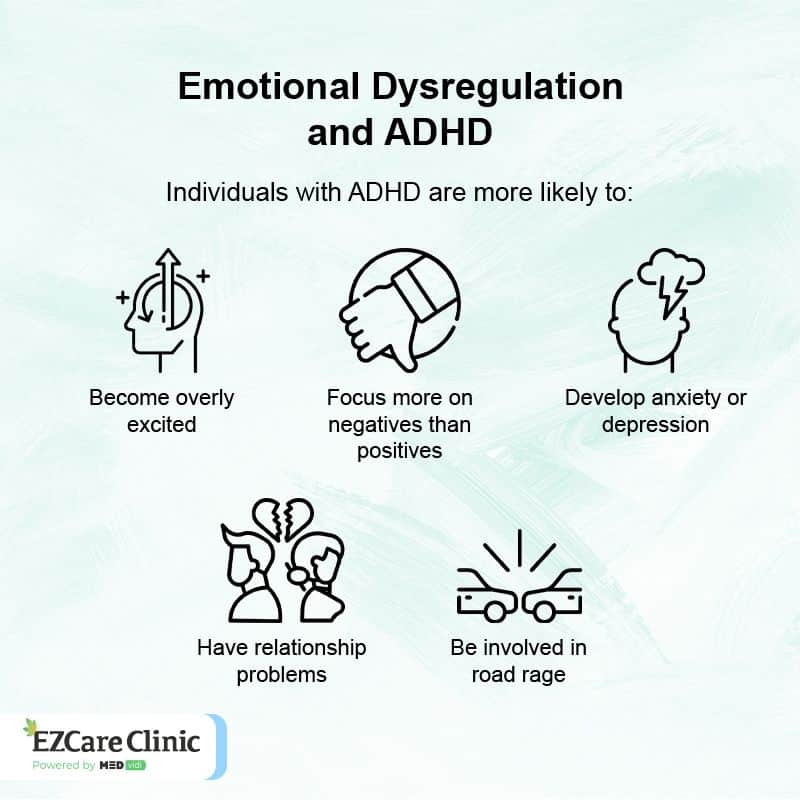
| ADHD | Quick frustration, difficulty regulating emotions |
| Anxiety | Excessive worry, panic reactions to stressors |
Understanding these connections helps parents and caregivers provide targeted support for their kids’ specific needs.