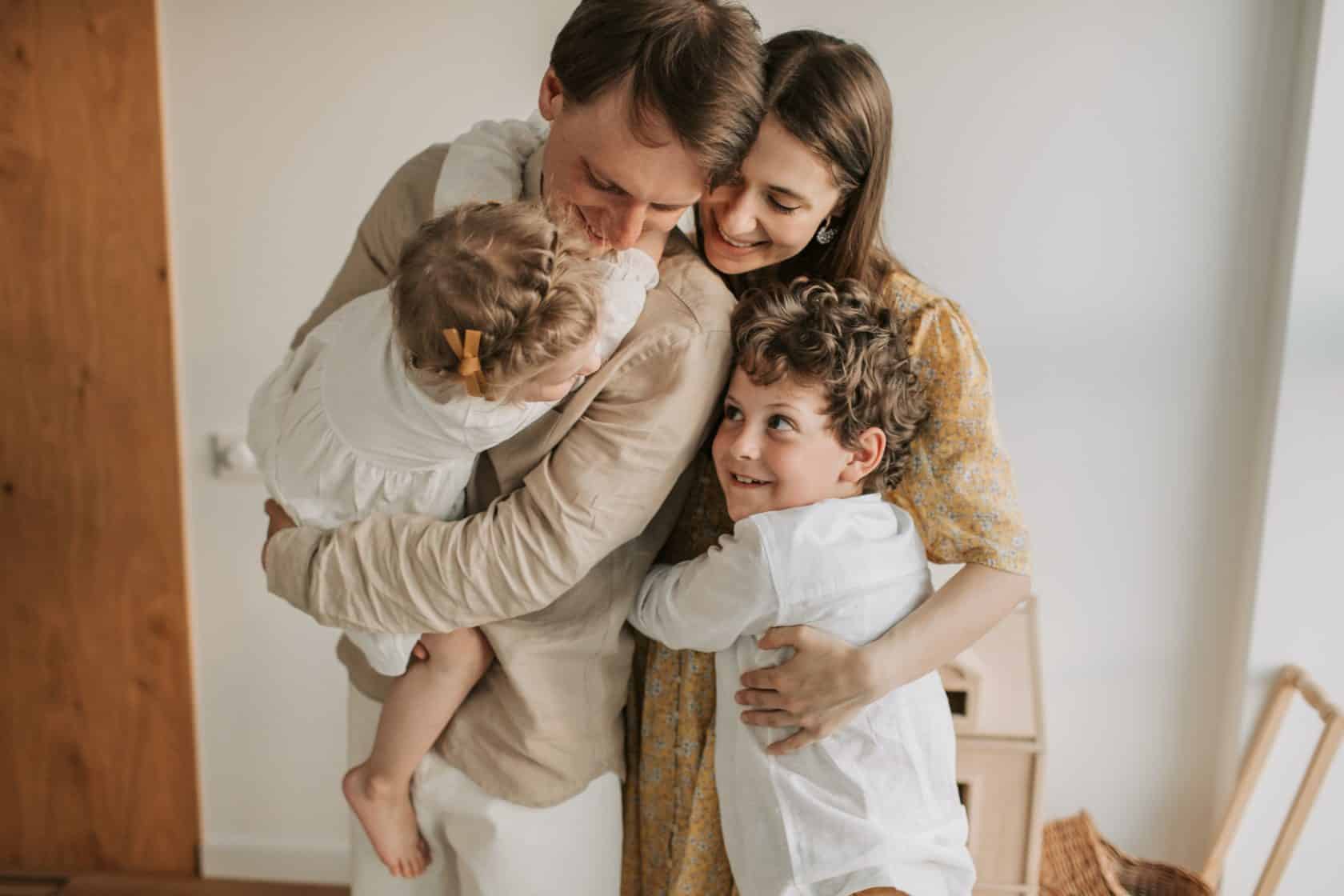
Let’s look at a real-world example of Double Empathy in the relationship between a neurodivergent child, Ethan, and his parents.
Ethan, who is on the autism spectrum, communicates and processes information uniquely. At the same time, his neurotypical parents may have different expectations and perspectives on communication.
Ethan’s parents may unintentionally misinterpret his behaviors during family interactions or struggle to understand his needs and preferences. They may expect him to respond and communicate in ways that align with their neurotypical experiences. Ethan may feel misunderstood, frustrated, or overwhelmed, leading to communication challenges and strained relationships.
To address Double Empathy in this context, both the neurodivergent child and the parents can work together to foster understanding and empathy:
- Parent Education: Parents can learn about the unique communication styles and needs of neurodivergent children, including their child’s specific neurotype. By educating themselves, parents can gain insight into their child’s perspectives and develop strategies to understand better and support them.
- Communication Strategies: Open and honest communication between parents and their neurodivergent child is crucial. Parents can actively listen, ask clarifying questions, and create a safe space for their children to express themselves without judgment. They can adapt their communication style to meet their child’s needs, using visual supports and clear instructions, allowing for processing time.
- Acceptance and Validation: Parents can practice empathy by acknowledging and accepting their child’s neurodivergent traits, strengths, and challenges. Recognizing and validating their child’s experiences and emotions can help foster a deeper connection and build trust.
By fostering Double Empathy within the parent-child relationship, both parties can better understand each other’s perspectives, needs, and communication styles. This mutual empathy paves the way for effective communication, enhanced support, and a more harmonious and loving parent-child relationship.