Demand avoidance autism is when kids really, really don’t like being told what to do. They might get upset or try to avoid tasks, even simple ones like brushing teeth or getting dressed.



Demand avoidance autism is when kids really, really don’t like being told what to do. They might get upset or try to avoid tasks, even simple ones like brushing teeth or getting dressed.


What is demand avoidance in autism?
Demand avoidance is a behavior observed in some autistic individuals who experience anxiety or stress when asked to perform tasks, often leading to refusal or procrastination.
How common is demand avoidance in children with autism?
While not all autistic children exhibit demand avoidance, it is a relatively common issue, particularly among those with anxiety or heightened sensory sensitivities.
How can parents help manage demand avoidance in their child?
Strategies include offering choices to empower the child, breaking tasks into smaller steps, and maintaining a consistent routine to reduce unpredictability.
Are there specific therapies that help with demand avoidance in autism?
Therapeutic approaches like Cognitive Behavioral Therapy (CBT) can be effective, focusing on reducing anxiety and teaching coping strategies to manage demands more effectively.


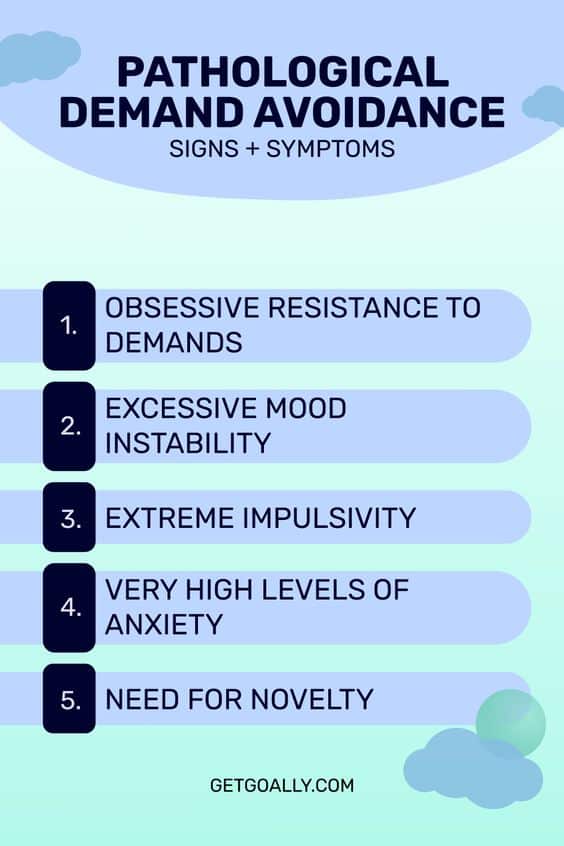
Demand avoidance autism, also known as Pathological Demand Avoidance (PDA), is a distinct profile within the autism spectrum characterized by an anxiety-driven need to avoid or resist everyday demands and expectations. This avoidance extends beyond typical oppositional behavior, often involving social manipulation, role play, or extreme emotional outbursts to escape perceived pressures. The condition is rooted in an intense anxiety response to demands, rather than defiance or lack of understanding.

Kids with demand avoidance autism often show specific behaviors that set them apart from other autism profiles. Here’s what parents might notice:
| Common Symptoms | How It Might Look |
|---|---|
| Task avoidance | Refusing to brush teeth or get dressed |
| Anxiety | Panic when asked to join a group activity |
| Control need | Insisting on doing things their own way |