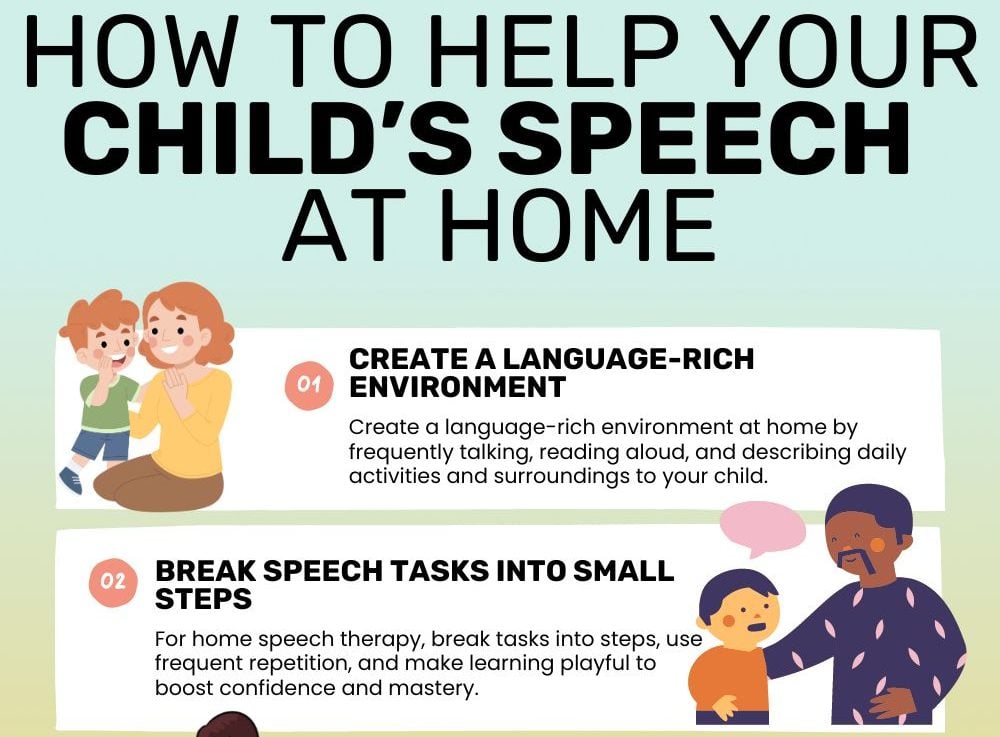
Treatment for Broca’s Aphasia focuses on improving communication skills and maximizing language abilities. Here are some approaches that can be helpful:
- Speech Therapy: Working with a speech-language pathologist (SLP) specializing in aphasia can be immensely beneficial. SLPs use various techniques to help individuals with Broca’s Aphasia improve their speech production, word-finding skills, and sentence formation.
- Augmentative and Alternative Communication (AAC): AAC methods, such as communication boards, gestures, or speech-generating devices, can support communication when verbal speech is challenging.
- Repetition and Practice: Encouraging repetition of words and phrases, practicing speech exercises, and engaging in conversation can help reinforce language skills.
- Patience and Support: Providing a supportive and understanding environment is crucial. Giving individuals with Broca’s Aphasia time to express themselves and offering encouragement can boost their confidence.
Individuals with Broca’s Aphasia can significantly improve their language abilities over time with appropriate therapy and support. While recovery may vary, many individuals regain functional communication skills and adapt alternative strategies to compensate for residual difficulties. Implementing speech therapy, using AAC methods, practicing repetition, and providing support can contribute to the long-term progress of individuals with Broca’s Aphasia.
Goally, a tablet tool, supports kids with Broca’s Aphasia by offering fun apps for language skills, digital visual schedules, AAC, and gamified learning. Through videos, it also teaches emotional regulation, executive functioning, and social skills, fostering overall development.