Trusted by 100,000+ Families

What are the Types of Babbling?

Home>>Neurodiversopedia>>B Terms

Summary

summary

Babbling is when babies start making funny sounds like “goo-goo” and “ma-ma.” They do this to learn how to talk and make different sounds. Sometimes, babies may take longer to start babbling, but with help from special teachers and doctors, they can learn to speak and communicate better. Having fun and encouraging them to try new sounds and words is important!

Frequently Asked Question

donut

Is babbling a sign of speech and language development?

Yes, babbling is a crucial milestone in speech and language development, as it provides an important foundation for developing communication skills.

What should I do if my child is not babbling?

If your child is not babbling or has delayed babbling, it’s important to talk to your child’s pediatrician and seek the help of a speech-language pathologist or a special education teacher who can work with your child to develop their communication skills.

Can babbling help with language development in autistic children?

Yes, babbling can be an important tool in helping autistic children develop language skills, and it can be helpful to work with a speech-language pathologist or a special education teacher who has experience in working with autistic children to facilitate their language development.

Scientific Definition

scientist

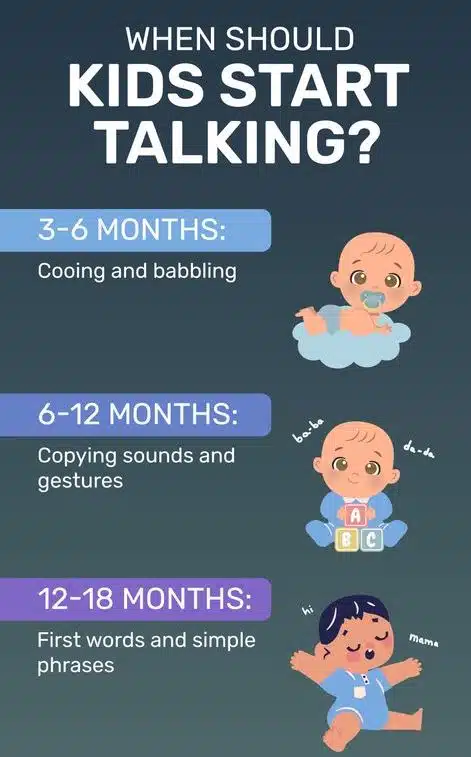
Babbling refers to the early vocalizations that infants produce before they develop language. It is a vital milestone in the development of speech and language skills. Babbling typically starts around 6 months of age and involves repetitively producing a variety of sounds, such as vowels and consonants. This repetition helps infants learn the basic sounds of their language and practice the coordination needed to produce words. Parents of children with special needs must note that some children may experience delays in babbling or not babbling at all. Special ed teachers and speech-language pathologists can work with these children to help improve their communication skills through various therapies and interventions. Celebrating any progress made, no matter how small, and providing encouragement to help children reach their full potential is essential. Autistic adults may also have different experiences with babbling and language development, and supporting them in their communication needs is important.

Video Explanation

video-explanation

Treatment to Help with the Symptom Babbling

When it comes to treating babbling difficulties, there are various strategies and therapies that can help children improve their speech and language skills. Here are some effective treatment options:

  • Speech-language therapy: Working with a qualified speech-language pathologist can provide targeted interventions and exercises to enhance babbling skills.
  • Play-based activities: Engaging in interactive play, such as imitating sounds or playing with toys that promote vocalization, can stimulate babbling development.
  • Parent-child interaction: Creating a language-rich environment through conversations, reading, and singing with your child encourages babbling and language growth.
  • Augmentative and Alternative Communication (AAC): Introducing AAC tools like picture communication systems or speech-generating devices can support communication for non-verbal children.
  • Consistency and encouragement: Providing consistent opportunities for babbling practice and offering positive reinforcement for attempts can boost confidence and progress.

Prognosis for babbling difficulties depends on various factors, including the underlying cause and individual development. With early intervention, appropriate therapies, and consistent support, many children can make significant improvements in their babbling skills and overall communication abilities in the long term.

Conditions Associated with Babbling

Babbling can be influenced by certain conditions that may impact speech and language development. Understanding these associated conditions can help parents identify potential underlying factors. Here are some conditions to be aware of:

  • Hearing impairments: Children with hearing difficulties may experience delays in babbling or struggle to produce speech sounds accurately.
  • Developmental disorders: Conditions like autism spectrum disorder or intellectual disabilities can affect babbling and overall communication skills.
  • Motor impairments: Physical conditions or motor disorders may hinder the coordination needed for babbling and speech production.
  • Speech and language disorders: Specific speech and language disorders, such as apraxia or phonological disorders, can impact babbling patterns.
  • Neurological conditions: Certain neurological conditions or brain injuries can influence babbling and language development.

If you notice any concerns related to babbling in your child, consulting with healthcare professionals, such as pediatricians or speech-language pathologists, can provide valuable insights and guidance. Goally, our tablet product, aids kids with babbling through fun apps like digital visual schedules, AAC, and gamified learning. It also teaches emotional regulation, executive functioning, and social skills through videos.


This post was originally published on March 31, 2023. It was updated on July 14, 2023.