Extra chromosome disorders happen when a kid has an extra copy of a chromosome. This can cause different health issues and developmental challenges. It’s like having an extra instruction manual that changes how the body grows and works.



Extra chromosome disorders happen when a kid has an extra copy of a chromosome. This can cause different health issues and developmental challenges. It’s like having an extra instruction manual that changes how the body grows and works.


What are extra chromosome disorders?
Extra chromosome disorders, or trisomies, occur when a child has an extra chromosome. This can lead to developmental and physical differences.
How common are extra chromosome disorders?
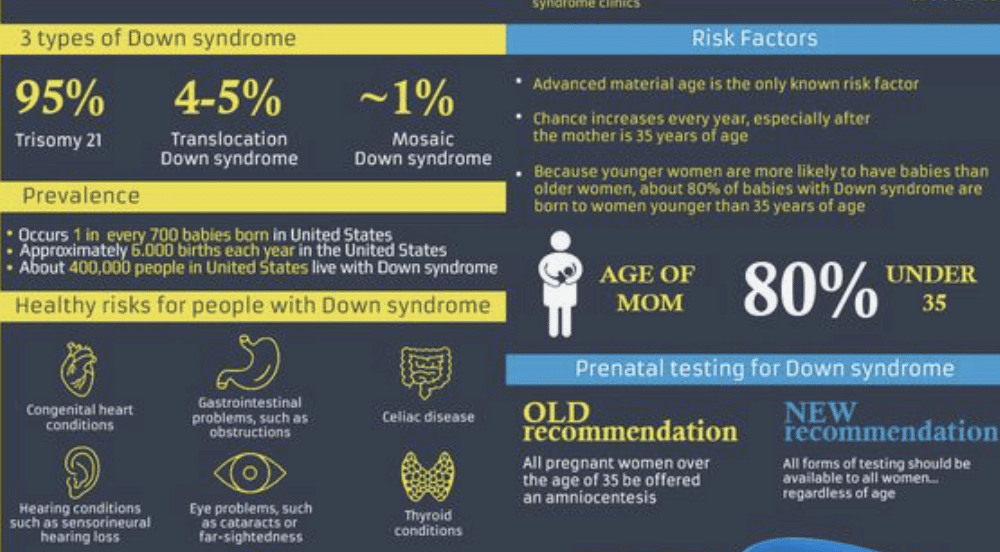
Some extra chromosome disorders, like Down syndrome, are relatively common, occurring in about 1 in 700 births. Other trisomies are rarer.
What are the symptoms of extra chromosome disorders?
Symptoms can include developmental delays, unique physical features, and potential health issues like heart defects. Learning difficulties are also common.
How are extra chromosome disorders diagnosed?
Diagnosis is typically done through genetic testing, such as prenatal screenings or chromosomal analysis after birth. Early detection helps in planning necessary interventions.


Extra chromosome disorders are genetic conditions characterized by the presence of additional chromosomal material beyond the typical 46 chromosomes in human cells. These disorders result from errors during cell division, leading to an abnormal number of chromosomes. The most common extra chromosome disorder is Down syndrome, affecting approximately 1 in 700 births in the United States.

Here’s the section with an added outro:
Extra chromosome disorders can cause a range of symptoms that vary depending on the specific condition. Here’s a brief overview of common symptoms:
| Disorder | Common Symptoms |
|---|---|
| Down syndrome | Flattened facial features, upward slanting eyes, short neck |
| Edwards syndrome | Small head, low-set ears, clenched fists |
| Patau syndrome | Cleft lip/palate, extra fingers/toes, severe developmental delays |
Understanding these symptoms helps parents and caregivers provide the right support. Remember, each child is unique, and symptoms can vary widely. Regular check-ups with healthcare providers can help monitor and address individual needs as they arise.