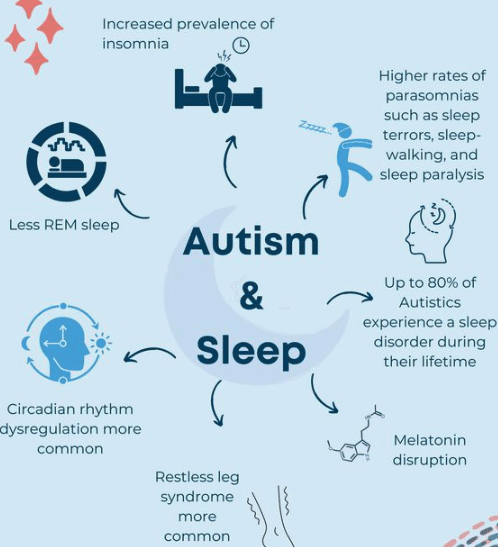
Insomnia is a problem with sleeping. People with insomnia have difficulty falling asleep or staying asleep at night. This can make them feel tired and have difficulty doing everyday things.



Insomnia is a problem with sleeping. People with insomnia have difficulty falling asleep or staying asleep at night. This can make them feel tired and have difficulty doing everyday things.


What causes insomnia?
Insomnia can be caused by a variety of factors, including stress, anxiety, depression, medical conditions, and certain medications.
How is insomnia diagnosed?
Insomnia is diagnosed through a medical evaluation that includes a patient’s sleep history, physical examination, and possibly a sleep study.
What are the treatments for insomnia?
Treatments for insomnia can include lifestyle changes, such as establishing a bedtime routine and avoiding screens before bed, cognitive behavioral therapy, prescription sleep medications, and in some cases, alternative therapies like acupuncture or herbal remedies.


Insomnia is a sleep problem in which you experience difficulty falling or staying asleep. People with insomnia have trouble sleeping at night and often feel tired and sleepy during the day. This can make it hard for them to focus and do everyday activities. There are different types of insomnia, including acute (short-term) and chronic (long-term) insomnia. Acute insomnia happens when you have trouble sleeping for a few nights, usually because of stress or other life events. Chronic insomnia is when you have trouble sleeping for a month or more. There are many causes of insomnia, including stress, anxiety, depression, and certain medical conditions. You should talk to your doctor if you think you have insomnia. They can help you determine what’s causing it and how to treat it.

Insomnia can be associated with various underlying conditions that contribute to sleep difficulties. Here are some common conditions often linked to insomnia:
Consult with a healthcare professional for proper diagnosis and guidance on managing both the underlying condition and insomnia symptoms. Goally, our tablet, helps kids with insomnia by offering interactive apps for building life skills, including emotional regulation and bedtime routines. Its gamified learning approach promotes better sleep hygiene and establishes consistent bedtime routines for improved sleep patterns.
This post was originally published on Feb. 10, 2023. It was updated on July 8, 2023.