Trusted by 100,000+ Families

What is Dysphasia?

Home>>Neurodiversopedia>>D Terms

Summary

summary

Dysphasia is a problem with language, which makes it hard to speak, write, or understand words. It can happen after an injury, illness or be present from birth. People with dysphasia might struggle with finding the right words, putting sentences together, and understanding others.

Frequently Asked Question

donut

Is dysphasia treatable?

Yes, dysphasia can be treated with speech therapy, rehabilitation, and other forms of therapy, which can help improve a person’s language skills and communication abilities.

How can I help someone with dysphasia?

You can help someone with dysphasia by being patient, understanding, and supportive, and by providing accommodations and resources, such as speech therapy or assistive technology, to help them improve their language and communication skills.

Is dysphasia the same as aphasia?

Dysphasia and aphasia are similar terms that describe language difficulties, but dysphasia is often used to refer to a more specific type of language disorder, while aphasia can refer to a broader range of language difficulties that can result from brain injury or other causes.

Scientific Definition

scientist

Dysphasia is a language disorder that affects a person’s ability to understand, produce and use language. It can affect speaking, writing, and understanding language. There are different types of dysphasia, such as expressive dysphasia, where a person has difficulty speaking, and receptive dysphasia, where a person has difficulty understanding language. People with dysphasia may have trouble finding the right words, putting sentences together, or understanding what others are saying. It can also affect their memory, ability to pay attention, and reasoning skills. Dysphasia can be caused by a brain injury, stroke, or other medical condition. It can also be present from birth. Treatment may include speech therapy and other forms of rehabilitation. With help, many people with dysphasia can improve their language skills and communication.

Video Explanation

video-explanation

Treatment for Dysphasia

Effective treatment options can greatly improve language skills and communication for individuals with dysphasia. Here are some strategies that can be beneficial:

  • Speech Therapy: Working with a speech therapist who specializes in dysphasia can provide targeted interventions to enhance language abilities.
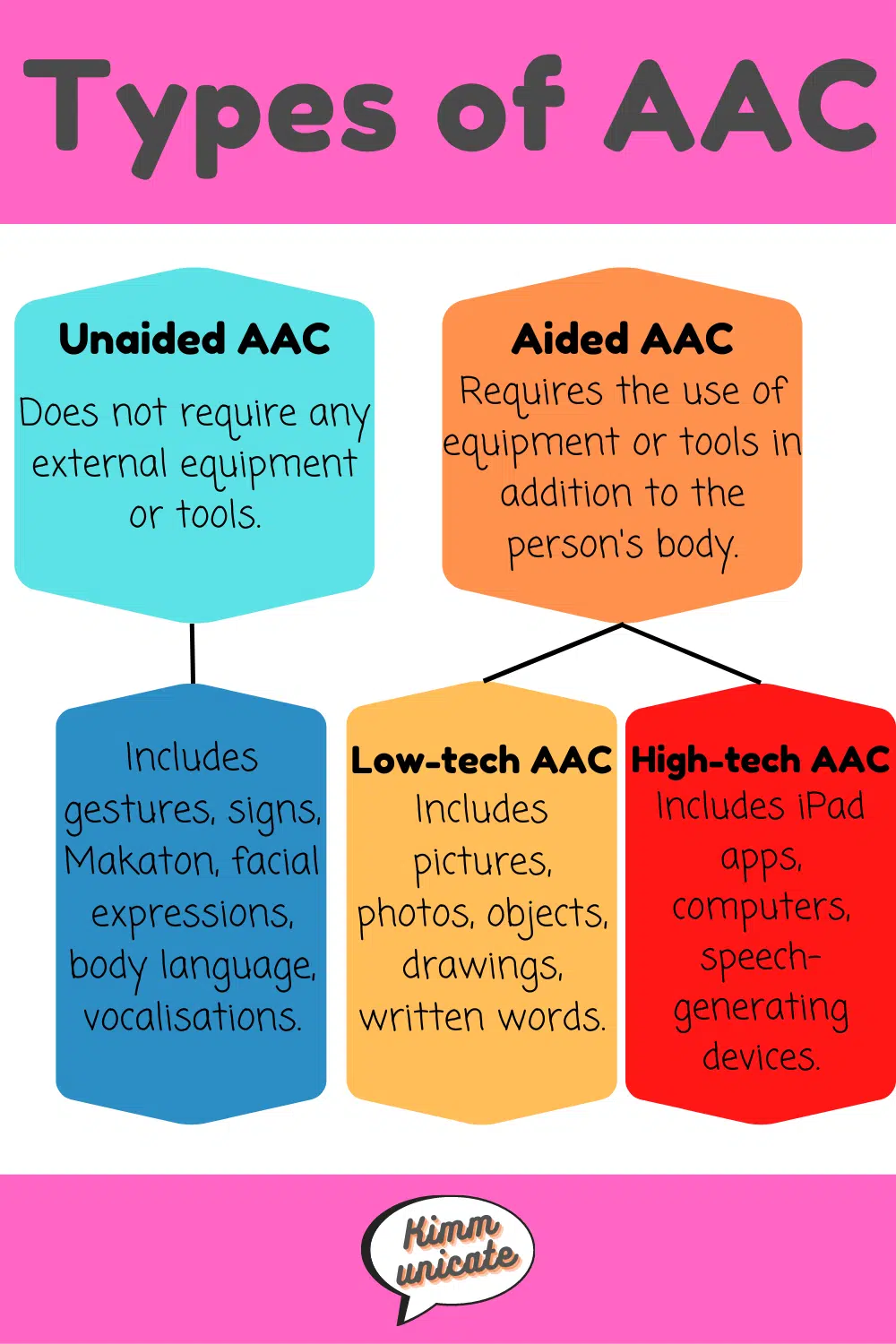
  • Augmentative and Alternative Communication (AAC): Using visual aids, communication boards, or technology-based systems can assist individuals in expressing themselves.
  • Rehabilitation Programs: Participating in comprehensive rehabilitation programs that focus on language and cognitive skills can lead to significant improvements.
  • Multisensory Approaches: Incorporating visual, auditory, and tactile cues during therapy sessions can enhance learning and comprehension.

Implementing these strategies, individuals with dysphasia can experience notable progress in their language abilities and overall communication skills. With consistent support and intervention, long-term prognosis for dysphasia can involve significant improvement in language functions and enhanced quality of life.

Symptoms of Dysphasia

Dysphasia is a language disorder that manifests through various symptoms. Here are some common signs to look out for:

  • Difficulty finding the right words
  • Trouble constructing coherent sentences
  • Challenges in understanding spoken or written language
  • Memory impairments related to language
  • Difficulty paying attention during conversations
  • Impact on reasoning and problem-solving skills

Recognizing these symptoms is crucial for early intervention and support. Goally, our tablet, aids kids with dysphasia by providing fun apps for language development, visual schedules, AAC, gamified learning, and teaching life skills. It fosters language proficiency, executive functioning, routines, and social skills, enabling children to thrive in a supportive learning environment.


Editor’s note: This information is not meant to diagnose or treat and should not take the place of personal consultation, as needed, with a qualified healthcare provider and/or BCBA.


This post was originally published on Feb. 8, 2023. It was updated on July 12, 2023.