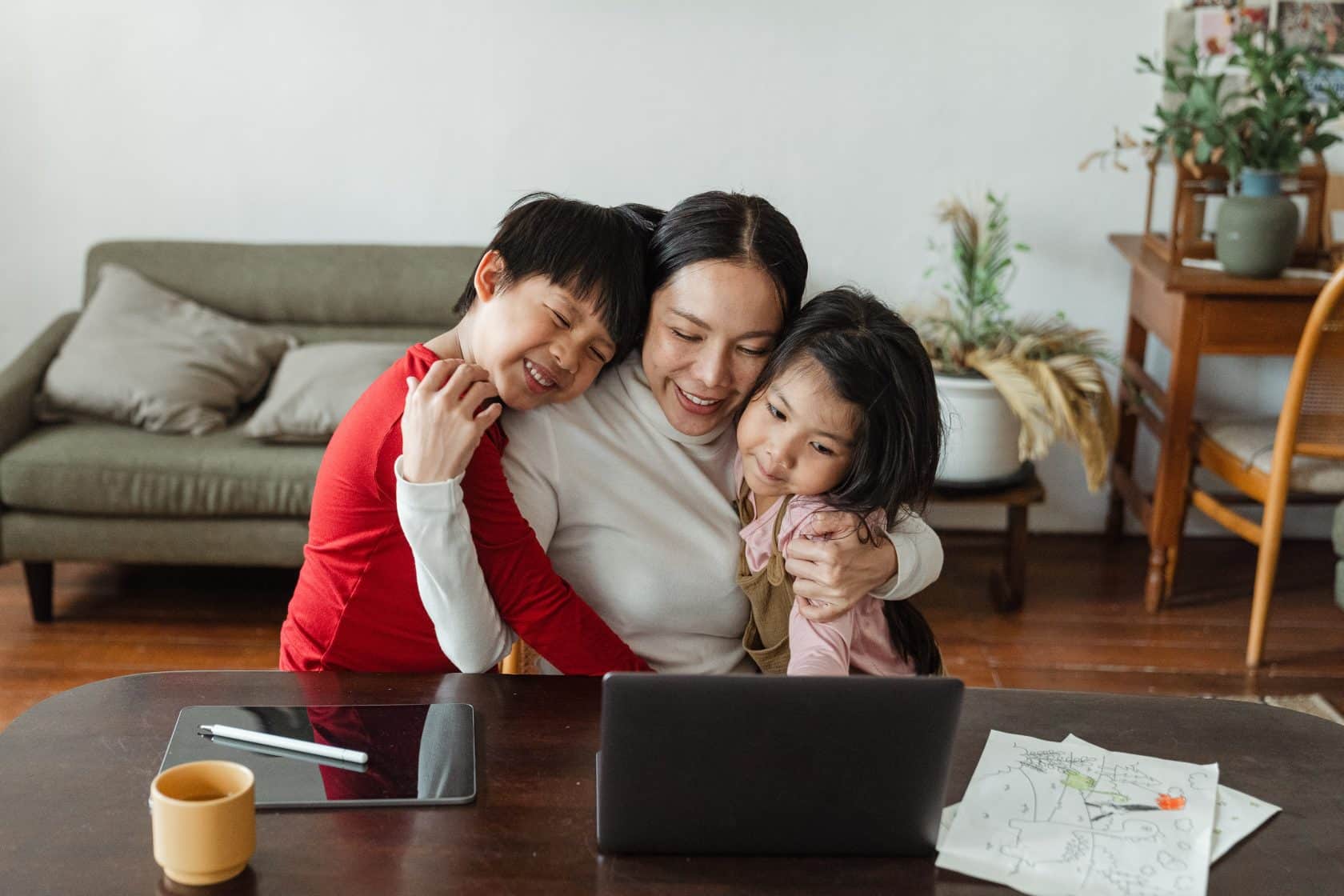
Birth order means the order in which you were born in your family. So if you’re the first kid, your birth order is ‘first.’ If you’re the second, your birth order is ‘second,’ and so on.



Birth order means the order in which you were born in your family. So if you’re the first kid, your birth order is ‘first.’ If you’re the second, your birth order is ‘second,’ and so on.


Does birth order always affect personality?
While birth order can influence personality traits and behaviors, it’s not a strict rule. Every child is unique and factors like genetics, parenting style, and individual experiences also play key roles in shaping personality.
How does birth order affect a child with special needs?
Birth order can impact how a child with special needs interacts with their siblings and parents, and how they navigate their own developmental challenges. It can shape their role within the family and the level of support and attention they receive.
Does birth order have long-term effects on a person's life?
While birth order can influence childhood behaviors and experiences, its effects on long-term outcomes like career success and happiness are less clear. It’s just one of many factors that contribute to an individual’s life journey.


In psychology, birth order refers to the sequence in which siblings are born. It’s a concept that studies how being the first, middle, last, or only child might impact your personality, behavior, and relationships. It’s particularly important when considering special needs children, as it can affect their development and family dynamics.

Birth order plays a significant role in shaping individuals’ personality traits within a family. Let’s explore how different birth orders influence children’s behaviors.
For families with a child with special needs, birth order can impact their learning and social interactions. Goally can be an excellent tool for families navigating birth order dynamics. It offers fun and interactive apps that help children of all birth positions build essential life skills, learns routines, and boost social skills – meeting the unique needs and strengths of firstborns, middle children, youngest, or only children alike.
This post was originally published on June 16, 2023. It was updated on July 18, 2023.