Trusted by 100,000+ Families

What is a Benchmark?

Home>>Neurodiversopedia>>B Terms

Summary

summary

A benchmark is like a guidepost that helps parents and teachers understand how well a child is doing in their development. It tells us what skills and abilities a child should have at a certain age. Think of it as a way to measure progress and see if a child is on track with their peers.

Frequently Asked Question

donut

Are benchmarks strict requirements that every child must meet?

No, benchmarks are flexible guidelines rather than rigid requirements. They provide a general framework for tracking development, but it’s important to recognize that children with special needs may have their own unique timelines and patterns of growth.

How are benchmarks used in creating individualized education plans (IEPs)?

Benchmarks play a significant role in designing IEPs by helping identify specific goals and targets for a child’s development. They guide the selection of appropriate strategies, interventions, and supports tailored to the child’s unique needs.

What if my child does not meet a specific benchmark?

Falling short of a specific benchmark does not necessarily indicate a problem. It’s essential to consider the individual progress, strengths, and challenges of each child with special needs. Focus on celebrating their growth, regardless of how it aligns with benchmarks, and continue providing support and interventions as needed.

Scientific Definition

scientist

A benchmark is a reference point used to assess a child’s progress and development. It helps parents and educators understand a child’s strengths, areas for improvement, and individual growth patterns. Benchmarks indicate typical skills and milestones expected at a specific age or stage. They are not rigid requirements but serve as a general framework for tracking development. If a child doesn’t meet a benchmark exactly, it’s not a cause for concern. Instead, it highlights areas where additional assistance or interventions may be beneficial. The goal is to support each child’s progress, embracing their strengths and neurodiversity.

Real World Example of Benchmark

Susie, a lively five-year-old girl diagnosed with autism spectrum disorder, benefits from benchmarks in her development journey. Here’s how they play a role:

  1. Benchmark Assessment: Professionals assess Susie’s skills using benchmarks, giving insights into her strengths and areas needing support.
  2. Individualized Goals: Susie’s team sets personalized goals based on the benchmark assessment, focusing on her communication, social interactions, and fine motor skills.
  3. Tracking Progress: Susie’s milestones, like her first spoken sentence, are measured against benchmarks, guiding interventions and celebrating growth.
  4. Identifying Support Areas: Benchmarks highlight areas where Susie may need extra assistance, such as fine motor skills, enabling targeted strategies.
  5. Embracing Individual Progress: Susie’s parents celebrate her unique journey, understanding that benchmarks are flexible guidelines.

Susie’s story demonstrates how benchmarks track development, set goals, and provide targeted support. They empower parents to engage actively, celebrate milestones, and address areas for growth. Benchmarks, used positively, ensure a tailored journey for children like Susie, fostering overall development and well-being.

How Do Benchmarks Work?

Understanding benchmarks is essential for assessing and supporting your child’s progress. Here’s what you need to know:

  1. Benchmarks are based on extensive research and knowledge of typical child development.
  2. They outline specific skills, behaviors, or milestones expected at different ages or stages.
  3. Professionals use benchmarks to evaluate your child’s development and identify areas that may need extra support.
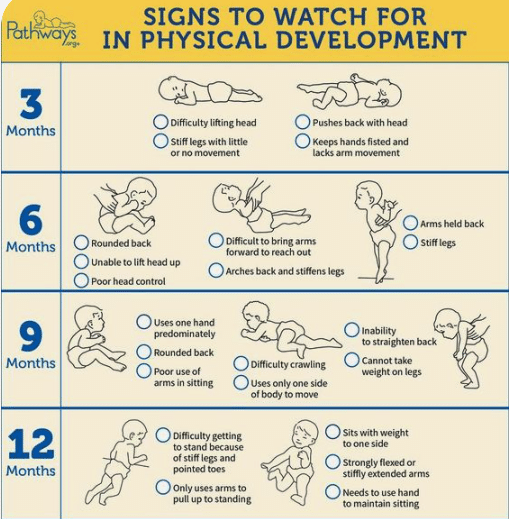
  4. Benchmarks cover cognitive, social, emotional, and physical domains.
  5. Examples include crawling, walking, speaking single words, making friends, and solving simple math problems.
  6. Benchmarks guide the creation of individualized education plans (IEPs) and goal setting.
  7. Comparing your child’s progress to benchmarks helps track growth and identify strengths and areas needing focus.
  8. Benchmarks empower parents to advocate for appropriate support and interventions.
  9. Remember, benchmarks are flexible guidelines, not strict requirements, especially for children with special needs.
  10. Celebrate your child’s progress, regardless of how it aligns with benchmarks, to foster a positive and inclusive environment.

By understanding and embracing benchmarks, you can actively participate in your child’s growth journey and promote their overall well-being. Goally, a tablet-based tool, supports benchmarks by providing apps and features that help children with special needs build life and language skills. Through digital visual schedules, AAC, gamified learning, emotional regulation training, executive functioning skill-building, and social skills training videos, Goally aids children in reaching developmental milestones and fostering overall growth.


This post was originally published on June 12, 2023. It was updated on July 18, 2023.