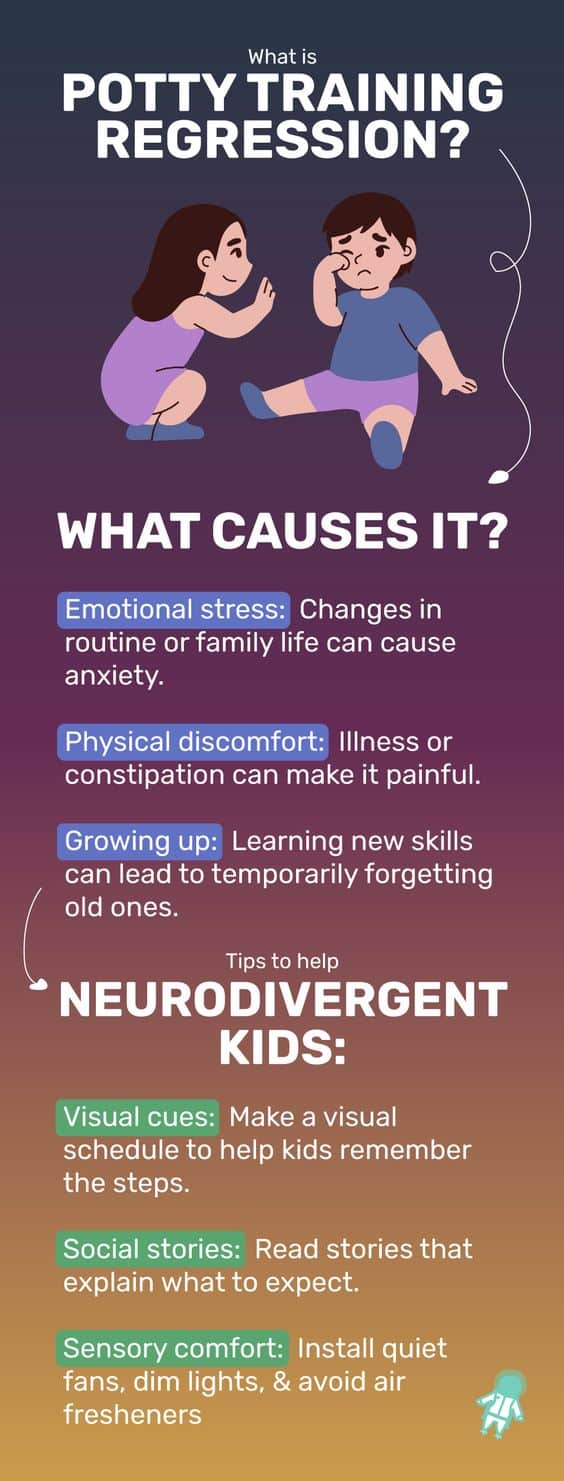
Bed-wetting is when a child unintentionally urinates while sleeping. It is also known as nocturnal enuresis.



Bed-wetting is when a child unintentionally urinates while sleeping. It is also known as nocturnal enuresis.


Is bed-wetting a common problem?
Yes, bed-wetting is a common issue that affects many children, with around 15% of 5-year-olds and about 5% of 10-year-olds experiencing it.
Are there any underlying medical conditions that can cause bed-wetting?
In some cases, bed-wetting may be associated with underlying conditions such as urinary tract infections, constipation, or sleep disorders. Consulting a healthcare professional can help identify and address any potential underlying causes.
Can stress or emotional factors contribute to bed-wetting?
Yes, stress, anxiety, or significant life changes can contribute to bed-wetting. Creating a supportive and understanding environment for your child can help alleviate any emotional factors that may be associated with bed-wetting.


Bed-wetting, or nocturnal enuresis, is the involuntary passing of urine while a child sleeps after the age at which bladder control is generally anticipated. It is a common problem that many kids experience and can be brought on by several things, including a delay in the development of bladder control, a small bladder capacity, or an excess of nighttime urination. Bed-wetting is typically considered a normal part of a child’s development; most children outgrow it over time. Parents must provide their children with understanding, support, and guidance as they navigate this phase.
Bed-wetting is characterized by the involuntary release of urine during sleep. Here are the common symptoms to help you recognize this condition:
Recognizing the symptoms of bed-wetting can help parents understand and address their child’s needs. It is important to remember that bed-wetting is a common condition many children experience, and it can be managed effectively with patience and support.
Editor’s note: This information is not meant to diagnose or treat and should not take the place of personal consultation, as needed, with a qualified healthcare provider and/or BCBA.