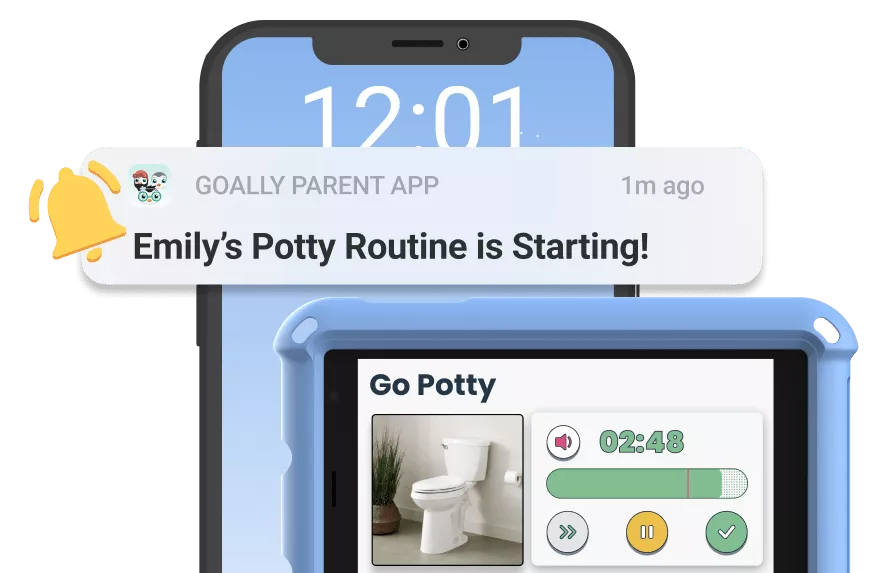
We’ve all been there: feeling a bit uncomfortable but not quite sure if you need to head to the bathroom. As a parent, you’ve probably seen your child go through the same uncertainty. Knowing how to recognize when it’s time to go is an important life skill for kids, especially those with neurodivergent needs. In this guide, I’ll help you identify the signs that you—or your child—might need to poop and provide actionable steps to make sure you can handle it with ease.
Table of Contents
Step 1: Recognize the Physical Signs
One of the most obvious ways to tell if you have to poop is by paying attention to your body. There are some clear physical signs that you can look out for:
- Stomach Cramps: Do you feel a tightening or discomfort in your abdomen? This is often the first sign that your body is telling you it’s time to go.
- Pressure in the Rectum: You might feel a sensation of pressure or fullness in the lower part of your body. This is another common indicator.
- Gas or Bloating: If you’re feeling unusually gassy or bloated, it might be your body’s way of signaling that a bowel movement is on the horizon.
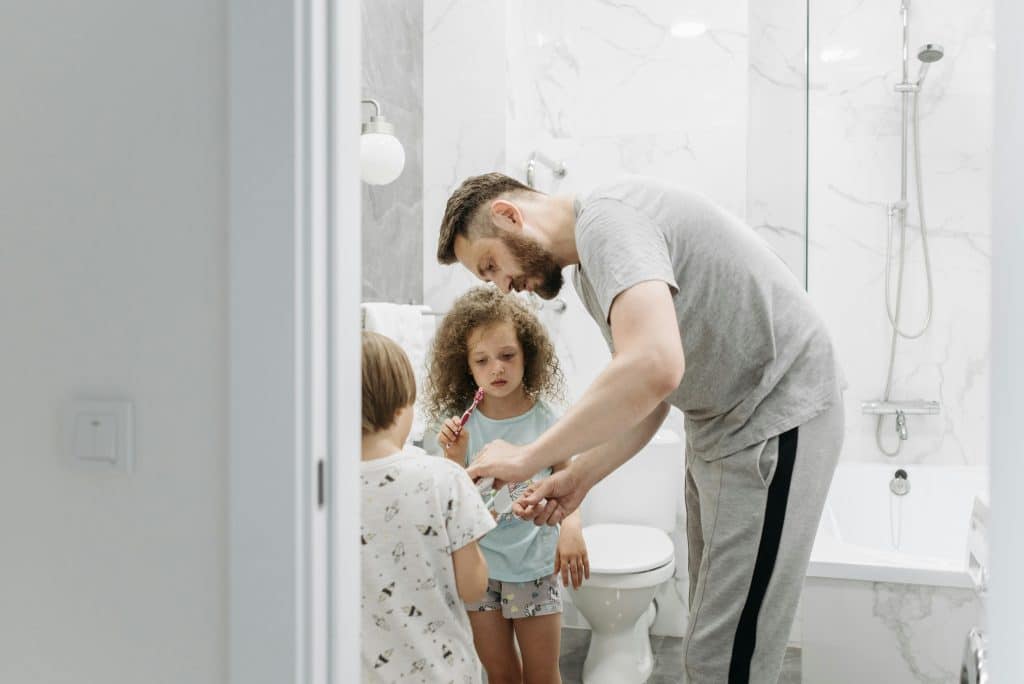
Read more: A Guide to Toilet Training an Older Child With Autism
Step 2: Observe Behavioral Changes
For kids, especially those who are neurodivergent, recognizing behavioral signs can be just as important as physical ones. Watch out for these common behaviors:
- Restlessness: If your child is suddenly unable to sit still or seems fidgety, it could be a sign they need to use the bathroom.
- Holding the Stomach: A child who starts holding or rubbing their stomach might be feeling discomfort that signals a need to poop.
- Withdrawing: Sometimes, kids might become more quiet or withdrawn when they need to go, especially if they’re unsure about what they’re feeling.
Step 3: Pay Attention to Timing
Timing can also be a crucial factor in determining whether it’s time to poop. Our bodies often follow a routine, and certain times of the day might be more likely for a bowel movement:
- After Meals: The gastrocolic reflex is a normal reaction to eating that can stimulate bowel movements. If you’ve just had a meal, it might be a good time to check in with your body.
- Morning Routine: Many people feel the urge to poop in the morning as part of their daily routine. If this is the case for you or your child, it’s worth paying attention to the clock.
- Regular Intervals: Everyone’s digestive system is different, but many people find that they have a regular pattern to their bowel movements. Keep track of your routine to help predict when it might be time to go.
Step 4: Encourage Regular Bathroom Breaks
Sometimes, especially for kids, it can be helpful to establish a routine for bathroom breaks. This can prevent discomfort and accidents, and it helps kids learn to listen to their bodies:
- Set a Schedule: Encourage your child to try using the bathroom at regular intervals, even if they’re not sure they need to go. This can help establish a healthy routine.
- Make It Relaxing: The bathroom experience should be calm and stress-free. Consider adding a fun book or quiet music to make it a more enjoyable experience for your child.
- Offer Positive Reinforcement: Praise and encouragement can go a long way in helping your child feel comfortable with their bathroom routine.

Read more: How To Potty Train an Autistic Child
Step 5: Recognize When to Seek Help
While most of the time, recognizing the need to poop is straightforward, there are times when it’s important to seek help, especially if you or your child are experiencing any of the following:
- Chronic Constipation: If bowel movements are infrequent and painful, it’s time to consult with a healthcare professional.
- Severe Discomfort: Any severe pain or discomfort that accompanies the need to poop should be addressed by a doctor.
- Changes in Bowel Habits: If there’s a sudden change in your or your child’s bowel habits, it’s worth getting a professional opinion.

Goally | Best Videos to Teach Life Skills
Give your kid an independent future. Goally has 100+ video classes teaching life skills like “How to Choose a Restaurant,” “How to Interrupt Politely,” and “How to Get Ready for School.”
Goally takes kids on an adventure that includes interactive practice and checkpoints along the way! No web browsers, YouTube, or social media.
Knowing when you or your child need to poop is an important part of staying healthy and comfortable. By recognizing the physical signs, paying attention to behavioral cues, and establishing a regular bathroom routine, you can make this process easier and more predictable. Remember, it’s always okay to seek help if you’re unsure or if something doesn’t feel right.
Resources:
FAQs about How to Tell If You Have to Poop
What are the common signs that I have to poop?
The most common signs include stomach cramps, a feeling of pressure in the rectum, and gas or bloating. Paying attention to these signals can help you recognize when it's time to head to the bathroom.

Why do I feel like I have to poop after eating?
This is due to the gastrocolic reflex, a normal bodily reaction to eating that stimulates bowel movements. It’s especially common after large meals.

How often should I have to poop in a day?
Bowel habits vary from person to person, but most people poop anywhere from three times a day to three times a week. Consistency is key; what's normal for you might be different from others.

What should I do if I feel like I need to poop but can't?
If you feel the urge to poop but can’t, try relaxing, drinking more water, or gently massaging your abdomen. If constipation persists, it’s a good idea to consult with a healthcare professional.

Is it normal for my child to not recognize when they need to poop?
Some kids, especially those who are neurodivergent, may struggle to recognize the signs that they need to poop. Establishing a regular bathroom routine can help them learn to better identify their body’s signals.
This post was originally published on 11/27/2023. It was updated on 08/16/2024.

Hennah is an experienced writer and researcher, helping children with autism, ADHD, and other neurodivergent conditions. As a blog contributor for Goally, she combines her deep understanding of neurodiversity with practical advice, offering valuable insights to parents and educators.