The trials of parenting often feel like a high-wire act. One of the most daunting challenges? Managing your child’s behavior, particularly during those unpredictable elementary years. Parents are kept from being handed an instruction manual on how to do this perfectly; however, we are here to provide some helpful guidance. The good news is that there’s a practical tool at your disposal – behavior charts for elementary students. In this blog post, we’ll explore effective strategies to use these charts and better understand our kids’ behaviors.
Table of Contents
A Deep Dive into Kids’ Behaviors
Kids aren’t just miniature adults; they have unique ways of understanding and interacting with their world. They’re learning new skills, testing boundaries, and figuring out who they are – all in real time! It can be quite the whirlwind!
In other words, what might seem like “misbehavior” could be a kid trying to communicate or cope with something challenging. To clarify, decoding children’s actions requires patience, understanding their developmental stage and needs.
Above all, remember that every child is different; there isn’t a one-size-fits-all approach when it comes to managing behavior.

Read more: Child Behaviors by AgeThe Why and How of Behavior Charts
Firstly, let’s demystify what behavior charts are all about. Essentially, they’re visual aids designed to motivate kids to adopt desirable behaviors through rewards or recognition. That is to say, it’s about celebrating successes rather than focusing on shortcomings.
- Nurture Responsibility: Above all, these charts teach children accountability by highlighting their role in shaping outcomes.
- Promote Consistency: They serve as daily reminders ensuring repetition, which eventually forms habit loops.
- Achieve Goals: Kids get a clear vision of their objectives, making them more focused and determined.
Navigating Neurodivergence & Behavioral Challenges
The journey becomes even more intricate when considering neurodivergent kids or those with special needs . These children may need extra support navigating social rules or expressing emotions appropriately due to thinking and learning differences.
Certainly, it can feel overwhelming initially as you learn about diagnoses such as ADHD or Autism Spectrum Disorder (ASD). Most importantly, it’s essential to approach these challenges with a compassionate mindset and an understanding that neurodivergent kids are not “misbehaving” but rather communicating their needs in the best way they know how.

The Power of Behavior Charts for Elementary Students
Here’s where behavior charts come into play. These tools can help you track patterns, understand triggers, and develop effective strategies to manage behaviors. Think of them as your personal parenting compass. Above all, remember that behavior charts aren’t about punishing or rewarding children, but about providing clear expectations and consistency.
Read more: 5 Year-Old Behavior Problems at SchoolTips for Implementing Effective Behavior Charts
Surely creating a chart isn’t rocket science, right? However, designing an effective one requires some thoughtfulness.
- Keep it simple: The chart should be easy to understand and follow. Too many categories or complexities might need to be clarified for you and your child.
- Make sure the goals are achievable: Setting unattainable targets may lead to frustration instead of progress. Ensure the tasks align with your child’s age and abilities.
- Involve your kid in the process: This will make them feel invested in their own development-boosting motivation!
Finding Balance: Reward vs Recognition
Certainly, an important aspect of behavior charts is figuring out how to acknowledge your child’s efforts appropriately. While tangible rewards can be enticing initially—for instance, toys or treats—they may lose their appeal over time. Above all, remember this: recognition can sometimes trump reward! A high-five or words of praise can often motivate children far more than material incentives.
Tailoring Your Chart – What Works Best?
In other words, creating a one-size-fits-all chart isn’t cut it; customization is key here! But don’t fret; this doesn’t mean designing intricate diagrams worthy of art galleries. Instead, ensure your chart aligns with your child’s age group and specific needs.
If you’re dealing with younger ones who are still learning numbers or letters—think bright colors & fun graphics! Kids at higher grade levels may respond better to goal-oriented charts that help them visualize their progress.
Goally | Apps That Build Behavior & Life Skills for Kids
Want to keep your child motivated while building essential behavior and life skills? Goally’s skill-building tablet is designed to celebrate small wins and help your child grow. Our Behavior Tracker helps you reward your kid for specific skills, like “being kind” or “flushing the toilet.”
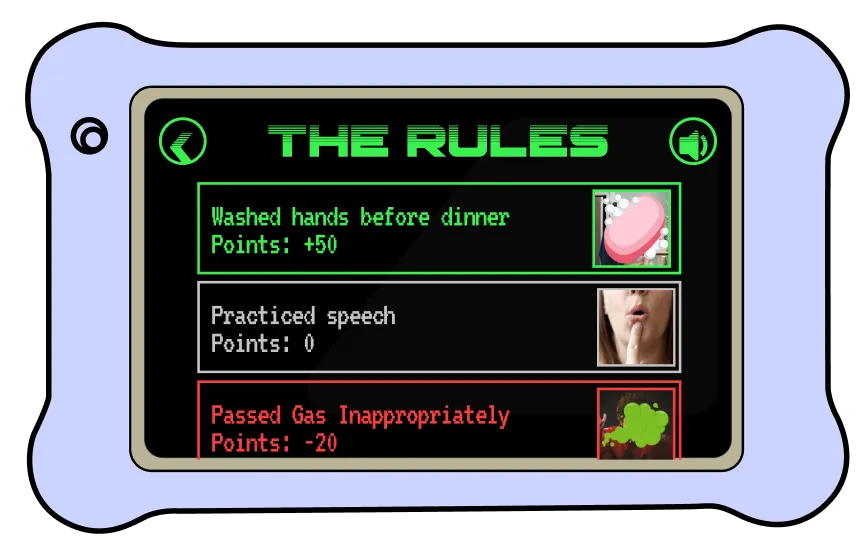
By setting clear expectations and rewarding their efforts, you foster a positive environment for your child to flourish in their behavioral skills journey.
To Sum Up
No doubt, parenting is like navigating through turbulent waters; every day presents its unique set of waves. With tools like behavior charts for elementary students, you’re better equipped to understand and manage your child’s behavior. You’re not just a spectator but an active participant in their growth. Remember, it’s okay if you don’t get it right every time. Parenting is about progress, not perfection.
FAQ about Behavior Charts for Elementary Students
1. What are behavior charts for elementary students?
- Behavior charts for elementary students are visual tools that help kids track and improve their behaviors, chores or tasks.

2. Why use behavior charts for elementary students?
- These charts can provide structure and routine, helping children understand expectations while reinforcing positive behaviors.

3. How do I implement a behavior chart at home?
- Begin by setting clear goals with your child, then monitor progress together on the chart to foster accountability and growth.

4. Can a behavior chart be customized to my child's needs?
- Absolutely! Behavior charts should be personalized to reflect your kid’s unique strengths and areas of improvement.
Hennah is an experienced writer and researcher, helping children with autism, ADHD, and other neurodivergent conditions. As a blog contributor for Goally, she combines her deep understanding of neurodiversity with practical advice, offering valuable insights to parents and educators.