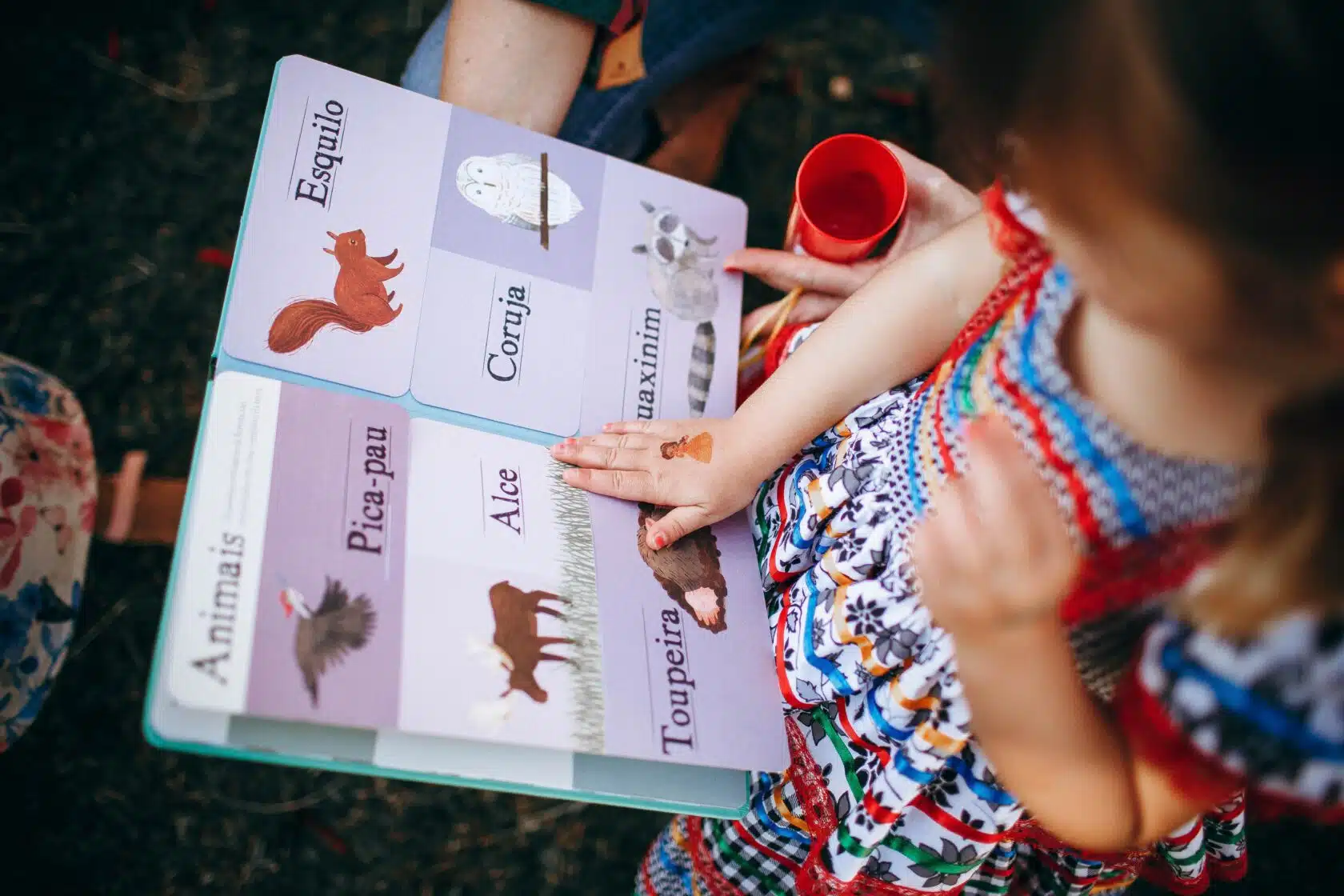
Visual discrimination is the ability to spot and understand the differences and similarities between things we see. Kids with special needs may find it challenging to do this.



Visual discrimination is the ability to spot and understand the differences and similarities between things we see. Kids with special needs may find it challenging to do this.


At what age should children typically develop strong Visual Discrimination skills?
Children begin developing these skills in early childhood, with significant progress by the age of 5 to 6, but development can continue into the school years.
Can Visual Discrimination skills be improved over time?
Yes, with practice and targeted activities, children can improve their Visual Discrimination skills and become more adept at recognizing and differentiating visual information.
Are there professional resources available to help children with special needs improve their Visual Discrimination skills?
Yes, occupational therapists and special education professionals can provide tailored strategies and exercises to enhance a child’s visual discrimination abilities.
What role does Visual Discrimination play in my child's daily life and learning?
Visual Discrimination is fundamental to activities like reading, recognizing symbols, and understanding the visual world. Enhancing these skills can significantly improve a child’s overall learning and daily functioning.


Visual discrimination refers to a cognitive skill that allows individuals to recognize and interpret distinctions in visual information. This skill enables one to identify variations in shapes, colors, sizes, patterns, and other visual details. In the context of children with special needs, challenges in visual discrimination can affect their ability to differentiate between objects, which may, in turn, impact their learning and daily activities. Developing strategies to support and enhance visual discrimination skills is essential for fostering a child’s overall development and adaptability.

Visual discrimination is crucial for many daily tasks and learning activities. Here’s how it works:
| Activity | Visual Discrimination Role |
|---|---|
| Reading | Identifies letters and words correctly. |
| Writing | Helps in forming letters and words clearly. |
| Math | Distinguishes between numbers and symbols. |
Improving visual discrimination can help kids perform better in these activities and boost their overall learning experience.
This post was originally published on 10/08/2023. It was updated on 08/07/2024.