Trusted by over 100,000+ Parents

What is Visual Closure?

Home>>Neurodiversopedia>>V Terms

Summary

summary

Think of visual closure like this: if you see a part of your favorite toy peeking out from a pile of clothes, and you know right away what that toy is even though you can’t see the whole thing, that’s visual closure in action. It’s your brain’s cool way of knowing what something is, even if you can’t see all of it!

Frequently Asked Question

donut

What is visual closure in kids?

Visual closure is the ability of kids to recognize an incomplete picture or object as a whole one, allowing their brains to fill in the gaps.

Why is visual closure important for learning?

It aids children in reading and identifying patterns, enabling smooth comprehension even when visuals are incomplete or obstructed.

How can parents support their kids' visual closure skills?

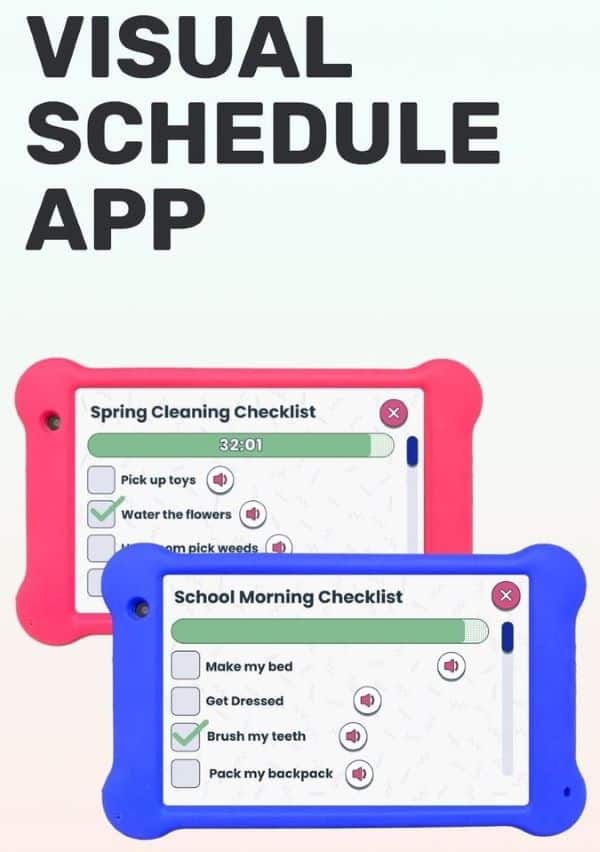
Parents can offer puzzles, play pattern-recognition games, or use digital tools like visual schedules and educational apps to boost this ability.

Can visual closure affect a child's daily tasks?

Yes, strong visual closure skills can make tasks like reading, playing, and recognizing partially hidden objects much easier for kids.

Scientific Definition

scientist

Visual closure refers to the cognitive ability to perceive and identify an object or image even when it is partially obscured or incomplete. This skill involves recognizing a complete form from fragmented or incomplete visual input. Effective visual closure is crucial for tasks such as reading, where understanding letters and words often requires filling in missing parts based on context. Research shows that difficulties in visual closure can impact learning and everyday tasks.

Helpful Resources

A Real World Example of Visual Closure

On a sun-soaked day, little Susie headed to the park. As she explored, visual closure became her invisible sidekick:

  • Hidden Toy: Among the fallen leaves, a tiny bit of blue poked out. “That’s my toy car!” exclaimed Susie, recognizing it instantly.
  • Distant Playground: From a distance, she spotted a familiar curved line atop a structure. “Swings ahead!” Susie cheered, her brain piecing together the incomplete sight.
  • Scribbled Note: Susie found a torn paper on the ground. Though half the message was missing, she chuckled and thought, “Looks like someone’s picnic list!”

That day, Susie didn’t just enjoy the park; she showcased how our brains, with a dash of visual closure, turn fragments into familiar stories. Who knew the mind could be such a nifty puzzle-solver?


How Does Visual Closure Work?

Visual closure helps kids understand incomplete images and information. Here’s how it works:

  • Reading: Helps kids fill in missing letters or parts of words.
  • Writing: Assists in completing incomplete drawings or sentences.
  • Everyday Tasks: Useful for identifying objects or solving puzzles where parts are hidden.


This post was originally published on 08/18/2023. It was updated on 08/07/2024.