Emotional lability is when a person’s feelings change quickly and sometimes unexpectedly. It’s like having emotions like roller coasters – they can go up and down without much warning.



Emotional lability is when a person’s feelings change quickly and sometimes unexpectedly. It’s like having emotions like roller coasters – they can go up and down without much warning.


Is emotional lability the same as mood swings?
While both involve changes in emotions, emotional lability differs from mood swings. Mood swings often imply longer-lasting shifts between distinct emotional states, whereas emotional lability pertains to quick and sometimes unexpected changes in emotional reactions.
Can emotional lability be managed or improved?
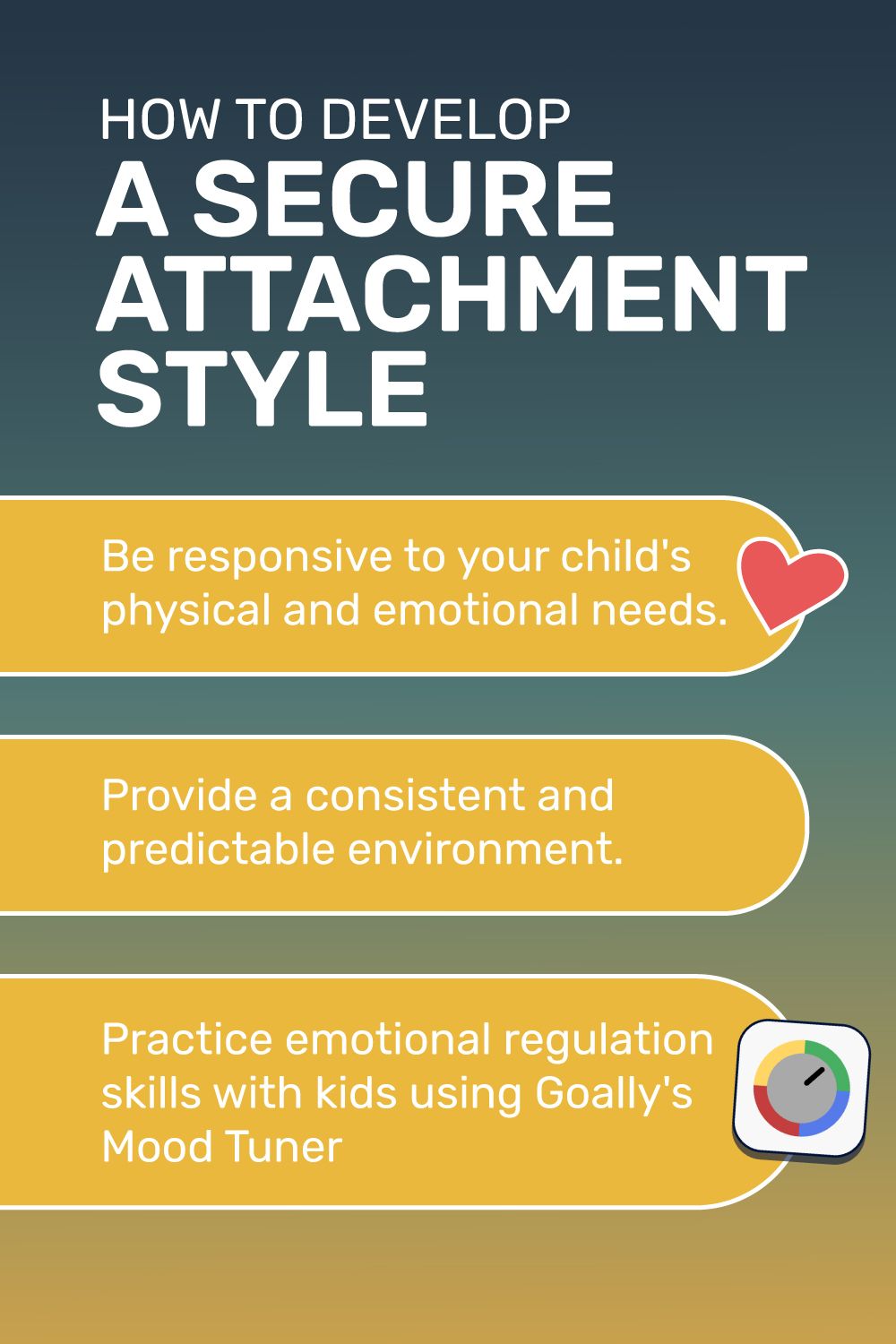
Yes, emotional lability can be managed and improved. Through strategies like providing a structured routine, teaching emotional regulation techniques, and using supportive tools like visual schedules, children can learn to navigate their emotions more effectively over time.
Is emotional lability a choice or a behavior?
Emotional lability is not a deliberate choice or behavior. It’s a natural aspect of how some individuals process and express their emotions, often arising from neurodiverse conditions that affect emotional regulation.
Does emotional lability improve with age?
For some individuals, emotional regulation skills can improve with age and supportive interventions. As children learn coping mechanisms and develop emotional understanding, the intensity of emotional lability may lessen, leading to more balanced emotional responses over time.


Emotional lability, in the context of kids with special needs, refers to a tendency for emotions to change rapidly and intensively. It can mean that a child might go from being really happy to very upset quickly, and this shift might not always have an apparent reason. Emotional lability is standard in neurodiverse conditions like autism, ADHD, and specific developmental disorders. It’s important to understand that emotional lability is not a deliberate choice; it’s a natural part of how some individuals process and express their feelings. Supporting these children involves recognizing and respecting their emotional experiences while providing tools to help them manage and cope with the intensity of their emotions. Remember, emotional lability is just one aspect of a child’s unique emotional landscape, and with the proper understanding and guidance, they can develop skills to navigate their feelings in a positive and meaningful way.

Understanding how emotional lability works can provide valuable insights into the experiences of kids with special needs. Let’s take a quick look at how it functions and some real-life examples:
Embrace your child’s unique emotional journey while utilizing Goally’s tablet-based apps to cultivate essential life skills, emotional regulation, and social training in an engaging and supportive manner.