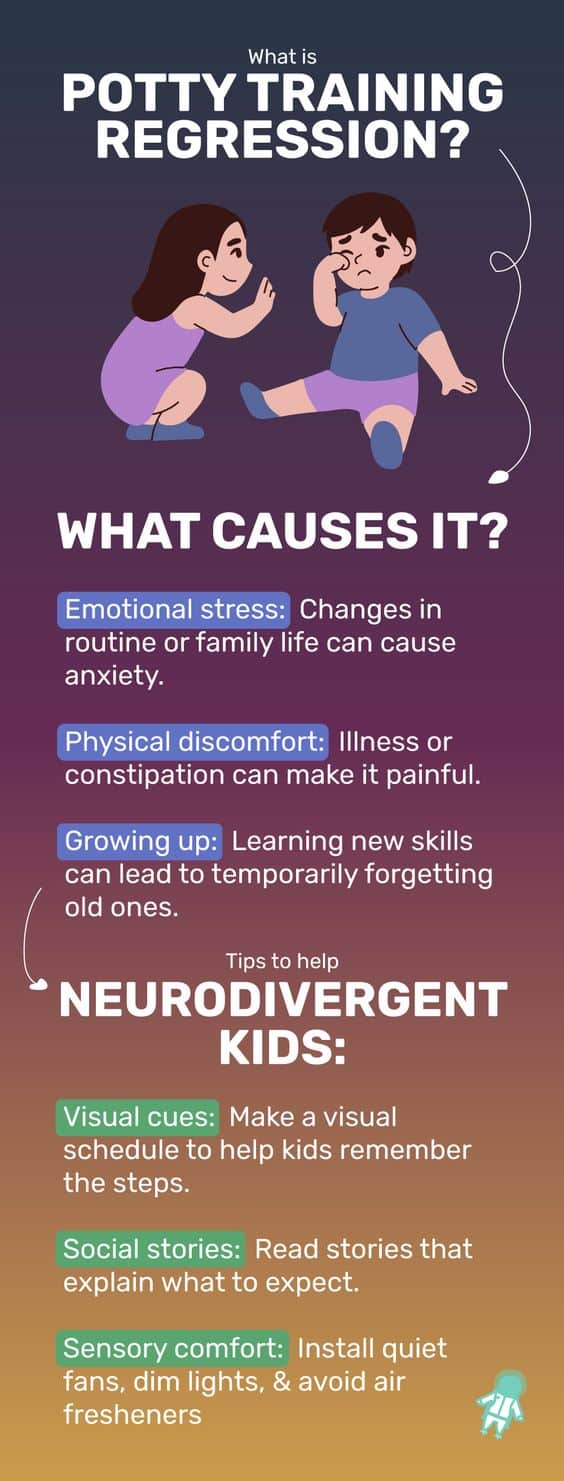
Enuresis refers to the condition when a child, who is old enough to control their bladder, unintentionally wets the bed during sleep. It is commonly known as bedwetting.



Enuresis refers to the condition when a child, who is old enough to control their bladder, unintentionally wets the bed during sleep. It is commonly known as bedwetting.


Is bedwetting a common problem among children?
Yes, bedwetting is a common issue, affecting around 5-10% of children aged 5-7 and gradually decreasing with age.
Is enuresis caused by laziness or psychological issues?
No, enuresis is typically not caused by laziness or deliberate action. It is often related to factors such as delayed bladder maturation or difficulties in awakening from sleep in response to a full bladder.
Can emotional factors contribute to bedwetting?
Yes, emotional factors such as stress, anxiety, or major life changes can sometimes contribute to bedwetting. Addressing and managing these underlying emotional factors may help alleviate the condition.
When should I seek medical help for my child's bedwetting?
If your child is over 7 years old and continues to experience regular bedwetting or if they start bedwetting after being dry for a significant period, it is advisable to consult a healthcare professional for evaluation and guidance.


Enuresis, or nocturnal enuresis, is a condition characterized by the involuntary release of urine during sleep in children who have reached an age where bladder control is typically expected. This condition is not caused by laziness or deliberate action but rather by various factors such as delayed bladder maturation, overactive bladder muscles, or difficulties in awakening from sleep in response to the sensation of a full bladder. It is important to note that enuresis is a relatively common condition that can often be outgrown with time or managed effectively through appropriate interventions and support.

Recognizing the symptoms of enuresis can help parents understand if their child is experiencing bedwetting. Here are some common signs to look out for:
If your child exhibits these symptoms of enuresis, remember that bedwetting is often a temporary and treatable condition. Goally, a tablet with interactive apps, can support children with enuresis by aiding in skill development through visual schedules, gamified learning, and skills training videos. Its apps for emotional regulation, executive functioning, and bedtime routines help manage enuresis and establish healthy habits.