Trusted by 100,000+ Families

What is Primary Language?

Home>>Neurodiversopedia>>P Terms

Summary

summary

Primary language refers to the principal method a child with special needs uses to communicate, be it through words, signs, pictures, or other means, and understanding this unique form of expression is crucial for their connection with others and personal development.


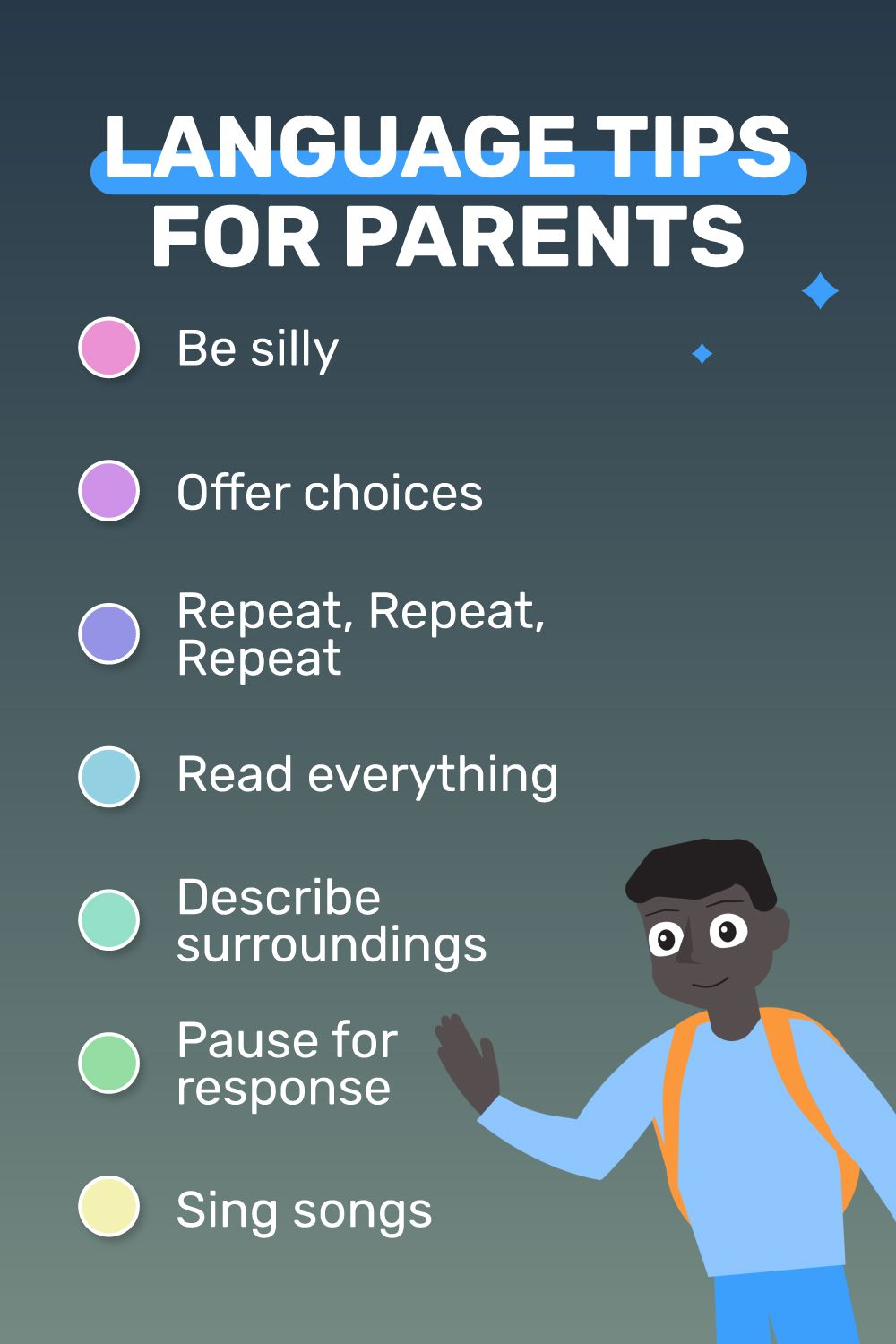
primary language. A title graphic from Goally's pinterest with texts that read, "What is Primary Language?"

View on Pinterest

Frequently Asked Question

donut

Can a child have more than one primary language?

Yes, a child with special needs can have multiple primary languages based on their individual abilities and needs, such as spoken words, sign language, pictures, or alternative communication systems.

How can I determine a child's primary language?

Determining a child’s primary language involves active listening, observation, and open-mindedness. It requires recognizing and interpreting their cues, gestures, facial expressions, or vocalizations.

Should I encourage a child to use their primary language exclusively?

It is important to respect and encourage a child’s primary language while also providing opportunities for growth and development in other modes of communication. Supporting their primary language helps build confidence and fosters effective communication.

Is it common for a child's primary language to evolve over time?

Yes, it’s common for a child’s primary language to evolve, especially as they grow and develop new skills or as they receive interventions like speech therapy or alternative communication training.

Scientific Definition

scientist

A primary language is the main way a child with special needs communicates. It’s how they share their thoughts, feelings, and what they need. This can be through talking, using sign language, pictures, or other special ways of communicating. It’s important to understand that each child might communicate differently, and all these ways are good and should be respected. Knowing a child’s primary way of communicating helps them talk to others better and supports their growth and happiness.

Real World Example of Primary Language

Meet Charlie, a vibrant 7-year-old with autism whose primary language isn’t spoken words, but a blend of sign language and picture cards. This story illustrates how his unique communication style is embraced and supported.

  • Morning Routine: Charlie’s day begins with his mom using picture cards to outline the day’s activities. He responds with enthusiastic signs, showing his understanding and eagerness.
  • School Interaction: At school, Charlie’s teacher uses a mix of signs and verbal instructions. During a group activity, Charlie shares his ideas through signs, which his classmates have learned to understand.
  • Playtime: During recess, Charlie often communicates his choice of games using picture cards. His friends have learned to recognize these and happily join in.
  • Family Bonding: In the evenings, Charlie and his family use a combination of sign language and pictures to share stories about their day, fostering a deep family connection.
  • Learning Growth: Each day, Charlie demonstrates new signs or picture card associations, showing his ongoing development in expressing himself.

Charlie’s story underscores the importance of embracing diverse communication methods, showcasing the potential for growth and connection in a world that values all forms of expression.

How Does Primary Language Work?

Primary language is the main way a child communicates, especially if they have special needs. It’s not just about speaking; it involves understanding and responding to the child’s unique way of expressing themselves.

  • Observation: Caregivers notice how the child communicates best, whether through words, gestures, or other methods.
  • Consistency: Using the child’s preferred communication method consistently helps in better understanding and response.
  • Adaptation: The approach may change as the child grows or as their communication needs evolve.
  • Inclusion: Involving peers and family in learning the child’s primary language promotes better social interactions.
  • Support: Using tools like picture cards, sign language, or speech therapy aids in the child’s communication development.

Recognizing and adapting to a child’s primary language opens doors to more effective communication and stronger connections.


This post was originally published on May 24, 2023. It was updated on Jan. 19, 2024.