As a parent, you’re always on the lookout for ways to better understand and support your child. If you’ve ever wondered, “What are the 3 main symptoms of ADHD?” you’re in the right place. In this blog post, we’ll explore the three primary symptoms of ADHD and provide tangible examples to help you identify them in your child. By the end of this post, you’ll have a clearer understanding of ADHD and how it may affect your neurodivergent child. So, let’s get started!
1. Inattention
The first main symptom of ADHD is inattention. This can manifest in various ways, but the bottom line is that kids with ADHD often struggle to focus on tasks, especially those that require sustained mental effort. Some examples of inattention include:
- Difficulty organizing tasks and activities
- Frequently losing items like toys, pencils, or books
- Being easily distracted by external stimuli
- Failing to follow through on instructions or finish tasks
In other words, if your child has trouble staying on task, keeping track of their belongings, or following directions, they may be experiencing inattention as a symptom of ADHD.

Read more: What Does a Child With ADHD Often Show?
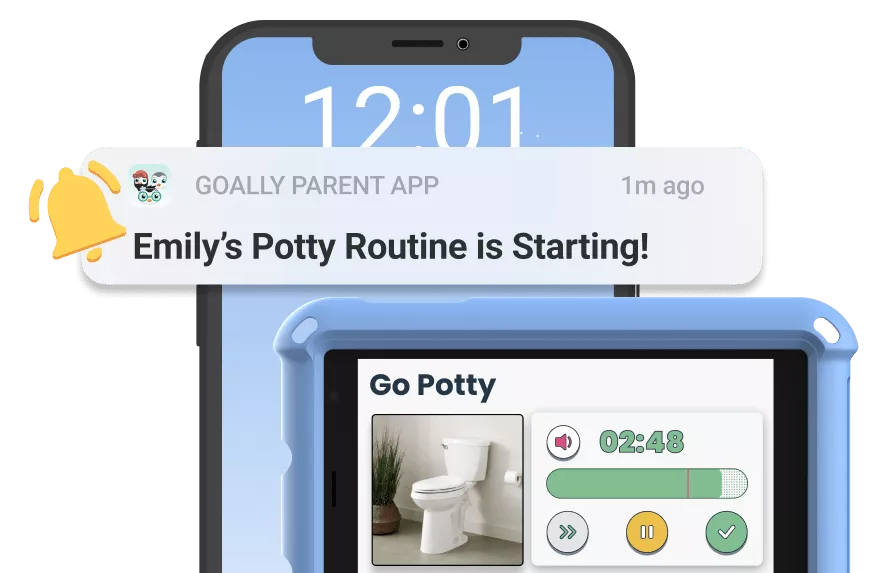
Moreover, inattention can also impact a child’s academic performance and social interactions. For instance, they might struggle to complete assignments, pay attention during class, or maintain friendships. To support your child, consider using tools like Goally, which offers a learning tablet and apps specifically designed for neurodivergent kids.
2. Hyperactivity
The second main symptom of ADHD is hyperactivity. This is excessive movement and restlessness, which can be challenging for both the child and those around them. Hyperactivity can present itself in several ways, such as:
- Fidgeting or squirming in their seat
- Difficulty staying seated when expected to do so
- Running or climbing in inappropriate situations
- Talking excessively or interrupting others
To clarify, if your child seems to have a constant need for movement, struggles to stay still, or frequently interrupts conversations, they may be experiencing hyperactivity as a symptom of ADHD.
Furthermore, hyperactivity can make it difficult for kids to participate in group activities or focus on tasks that require patience. As a parent, you can help your child by providing opportunities for physical activity, setting clear expectations, and using tools like Goally to create structured routines.
3. Impulsivity
The third main symptom of ADHD is impulsivity. Kids with ADHD often act without thinking, which can lead to difficulties in social situations and decision-making. Some examples of impulsivity include:
- Blurting out answers before questions are completed
- Difficulty waiting for their turn in games or conversations
- Interrupting or intruding on others
- Making impulsive decisions without considering the consequences
In short, if your child often acts without thinking, struggles with patience, or has difficulty considering the consequences of their actions, they may be experiencing impulsivity as a symptom of ADHD.

Read more: How Do People With ADHD Think?
Impulsivity can also impact a child’s relationships with peers and authority figures. To help your child develop better impulse control, consider implementing strategies such as teaching them to pause and think before acting, offering positive reinforcement for appropriate behavior, and using tools like Goally to provide structure and support.
Understanding and Supporting Your Neurodivergent Child
Now that you know the answer to “What are the 3 main symptoms of ADHD?”, it’s essential to remember that every child is unique. ADHD affects kids differently, and your child may not exhibit all of these symptoms or may show them to varying degrees. The key is to observe your child and work with professionals, such as teachers and pediatricians, to determine the best course of action for supporting your neurodivergent child.
| Support Strategies |
|---|
| Create a structured routine to help them stay organized |
| Break tasks into smaller, manageable steps |
| Encourage physical activity to help burn off excess energy |
| Use positive reinforcement to motivate and reward good behavior |
| Seek professional help, such as therapy or medication, if necessary |
Try Goally For Your Child With ADHD
Goally helps kids with ADHD stay focused and build skills. Unlike a Kindle or an iPad that kids get easily distracted on, Goally has no YouTube, no social media, no web browser, and especially no ads.
Goally uses game play as a points-based motivator for your kiddo with ADHD and helps them learn emotional regulation skills. It’s simple to set up and has an expert-informed design.
In conclusion, understanding the three main symptoms of ADHD – inattention, hyperactivity, and impulsivity – can help you better support your neurodivergent child. By recognizing these symptoms and implementing strategies to address them, you can create a more supportive and nurturing environment for your child to thrive. Remember, tools like Goally can be invaluable resource in your journey to support your child’s unique needs.
This post was originally published on 05/17/2023. It was updated on 05/08/2024.

Goally
We help parents teach their kids life skills, like doing bedtime and morning independently. Backed by science, we incorporate evidence-based practices and expert-informed designs in all of our apps and content.