As a parent, you’re always on the lookout for signs that your child might need extra support. You’ve likely heard about ADHD, but what does it mean when someone says “Stage 1 of ADHD”? In this comprehensive guide, we’ll explore what is Stage 1 of ADHD and how it can impact your child’s life. We’ll also provide actionable tips and resources to help you navigate this journey with your neurodivergent kid.
Table of Contents
What is Stage 1 of ADHD?
Stage 1 of ADHD, also known as the Predominantly Inattentive Presentation, is characterized by difficulties with attention and focus. Kids with this presentation may struggle to follow instructions, stay organized, or complete tasks that require sustained mental effort. It’s important to note that while inattention is the primary symptom in Stage 1, other symptoms like impulsivity and hyperactivity may still be present but less pronounced.
Key Symptoms of Stage 1 ADHD
- Difficulty paying attention to details
- Making careless mistakes in schoolwork or other activities
- Struggling to follow through on instructions or finish tasks
- Easily distracted by external stimuli
- Forgetfulness in daily activities
- Poor organization skills
- Avoiding tasks that require sustained mental effort
In order to better understand these symptoms, let’s take a closer look at some real-life examples. Your child might start a project but never finish, or they could lose track of time while daydreaming, even during important activities. They may also have trouble keeping their room tidy or remembering where they put things.

Read more: Does ADHD Get Better With Age?
How Does Stage 1 ADHD Impact Kids?
Children experiencing thinking and learning differences, such as those in Stage 1 of ADHD, often encounter hurdles in their daily routines. Academic challenges can arise from struggles in maintaining focus and staying organized. On a social level, they may find it difficult to sustain friendships, as their inattentiveness can be misconstrued as disinterest or impoliteness. Acknowledging these obstacles is vital, and offering the requisite support is key to facilitating your child’s success.
Academic Challenges
- Difficulty completing assignments on time
- Struggling to retain information from lessons
- Poor performance on tests due to lack of focus
- Inconsistent grades or progress reports
To help your child overcome these academic challenges, consider breaking down tasks into smaller steps with clear instructions. Implement tools like visual aids like graphic organizers or color-coded notes. Consider setting up a designated study area free from distractions.
Social Challenges
- Difficulty maintaining friendships due to inattention
- Misinterpretation of social cues or body language
- Struggling with group activities or team sports
- Potential for social isolation or bullying
To support your child’s social development, try encouraging participation in clubs or activities that match their interests. Try teaching them about body language and social cues through role-playing or discussing scenarios. Help them develop conversation skills by practicing active listening and asking open-ended questions.
Supporting Your Child with Stage 1 ADHD: Strategies and Resources
As a parent, it’s crucial to advocate for your neurodivergent child and provide them with the tools they need to succeed. Here are some strategies and resources that can help you support your child with Stage 1 ADHD:
Create a Structured Environment at Home
Establishing routines and providing a consistent, organized environment can help kids with Stage 1 ADHD stay focused and manage their symptoms more effectively. Consider implementing the following strategies:
- Create daily schedules for tasks like homework, chores, and bedtime routines.
- Use visual aids like calendars, charts, or checklists to help your child stay organized.
- Minimize distractions by designating a quiet space for homework and other tasks that require concentration.
- Encourage regular breaks during activities that require sustained mental effort.
Beyond these strategies, it’s also essential to praise your child’s efforts and accomplishments to boost their self-esteem. And be patient and understanding when they struggle with tasks or become frustrated.
Collaborate with Teachers and School Staff
Working closely with your child’s teachers and school staff can help ensure they receive the necessary accommodations and support. Keep the lines of communication open, and consider the following:
- Request regular progress reports or updates on your child’s academic performance.
- Discuss potential accommodations, such as extended time on tests or preferential seating near the teacher.
- Consider developing an Individualized Education Plan (IEP) or 504 Plan to outline specific accommodations and services for your child.

Read more: Child Development Stages
Additionally, don’t hesitate to attend parent-teacher conferences and other school events to stay informed about your child’s progress. Share insights about your child’s strengths, interests, and challenges with their teachers.
Explore Professional Support Options
In some cases, kids with Stage 1 ADHD may benefit from additional professional support, such as therapy or medication. Consult with a pediatrician or mental health professional to discuss potential treatment options.
| Type of Support | Description |
|---|---|
| Behavioral Therapy | Aims to help children develop better habits and coping strategies for managing ADHD symptoms. |
| Medication | Stimulant and non-stimulant medications can help improve focus and attention in some children with ADHD. |
| Educational Support Services | Tutoring, special education programs, or other services can provide targeted support for academic challenges. |
Try Goally For Your Child With ADHD
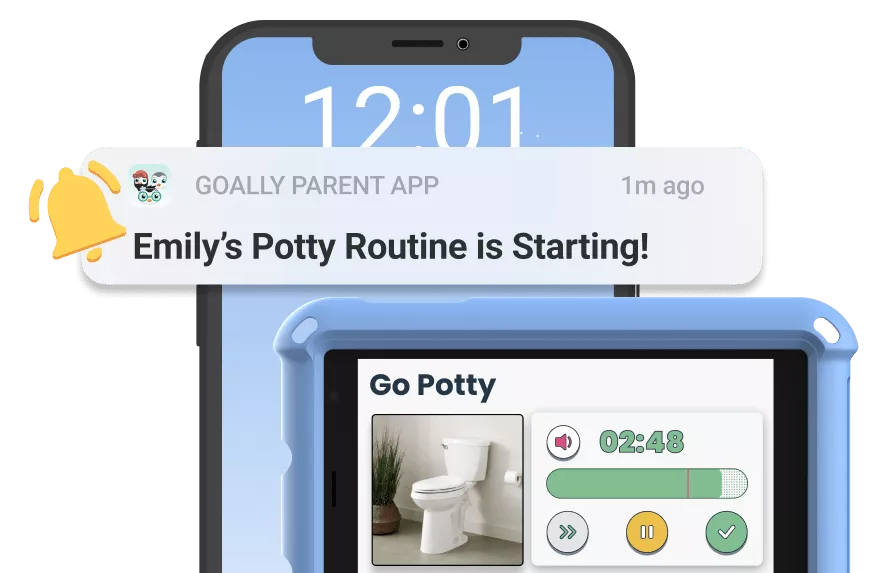
Goally helps kids with ADHD stay focused and build skills. Unlike a Kindle or an iPad that kids get easily distracted on, Goally has no YouTube, no social media, no web browser, and especially no ads.
Goally uses game play as a points-based motivator for your kiddo with ADHD and helps them learn emotional regulation skills. It’s simple to set up and has an expert-informed design.

Empowering Your Child: Moving Forward Together
Understanding what is Stage 1 of ADHD is just the beginning of your journey as a parent of a neurodivergent kid. By providing a supportive environment, collaborating with educators, and exploring professional support options, you can empower your child to overcome challenges and reach their full potential. Remember that every child is unique, so be patient and flexible as you work together to find the best strategies and resources for your family.
This post was originally published on 05/08/2023. It was updated on 10/20/2023.

Goally
We help parents teach their kids life skills, like doing bedtime and morning independently. Backed by science, we incorporate evidence-based practices and expert-informed designs in all of our apps and content.