As a parent, you might have noticed that your child seems to have more energy than others or struggles to focus on tasks. You could be wondering if these behaviors are signs of ADHD (Attention Deficit Hyperactivity Disorder). So, how is ADHD diagnosed? In this guide, we’ll walk you through the process of ADHD diagnosis, the signs and symptoms to look out for, and the steps you can take to support your neurodivergent child.
Table of Contents
Understanding ADHD: Signs and Symptoms
Firstly, it’s important to recognize the common signs and symptoms of ADHD before diving into the diagnostic process.
The three primary areas to pay attention to are:
- Inattention
- Hyperactivity
- Impulsivity
Inattention may show up as difficulty focusing on tasks, forgetfulness, or disorganization. On the other hand, hyperactivity often presents as overly high energy levels or constant fidgeting. Lastly, impulsivity can lead to impatience, interrupting others during conversations, or making decisions without considering the consequences.
| Inattention Symptoms | Hyperactivity Symptoms | Impulsivity Symptoms |
|---|---|---|
| Poor attention to detail | Fidgeting with hands or feet | Blurting out answers before questions are completed |
| Easily distracted by unrelated stimuli | Inability to sit still in appropriate situations (e.g., school) | Difficulty waiting for their turn |
| Difficulty organizing tasks and activities | Excessive talking | Interrupting or intruding on others’ conversations or activities |
| Frequent forgetfulness in daily activities | Difficulty engaging in quiet activities | Making decisions without considering potential consequences |
| Avoidance of tasks requiring sustained mental effort | Always “on the go” or acting as if “driven by a motor” |
The ADHD Diagnostic Process: What to Expect
Now that you’re familiar with the signs and symptoms of ADHD let’s explore how ADHD is diagnosed. The process usually takes several steps and assessments by professionals.
1. Consultation with a Pediatrician or Primary Care Physician
Your child’s first step towards an ADHD diagnosis begins with a visit to their pediatrician or primary care physician. They will conduct an initial evaluation, which may include a physical exam, a review of medical history, and a discussion of your child’s behaviors and symptoms.

Read more: Do I Need a Child Development Specialist?
If the pediatrician suspects ADHD, they may refer your child to a specialist like a psychologist, psychiatrist, or neurologist for further evaluation. These professionals have specialized training in diagnosing and treating neurodivergent kids.
2. Comprehensive Evaluation by the Specialist
The specialist will conduct a thorough assessment of your child’s cognitive, emotional, social, and behavioral functioning. This may involve interviews with you and your child, questionnaires for teachers or caregivers, observation of your child in various settings (e.g., school), and standardized tests to assess attention, memory, and other cognitive abilities.
After the comprehensive evaluation, the specialist will determine if your child meets the criteria for ADHD as outlined in the Diagnostic and Statistical Manual of Mental Disorders (DSM-5). If a diagnosis is made, they will provide recommendations for treatment and support plans specific to your child’s unique needs.
Supporting Your Child with ADHD
Once your child has been diagnosed with ADHD, it’s important to provide them with the appropriate support to help them thrive. Here are some strategies you can use:

Read more: How Do Doctors Test Kids for ADHD?
- Behavioral therapy: Work with a therapist who specializes in behavioral interventions for kids with thinking and learning differences. They can help teach your child coping and self-regulation techniques.
- Educational accommodations: Collaborate with your child’s school to develop an Individualized Education Plan (IEP) or 504 Plan that outlines accommodations to support their learning needs.
- Medication management: In some cases, medication may be a recommendation to help manage ADHD symptoms. Work closely with your child’s healthcare team to determine if this is an appropriate option for them.
- Parent training: Educate yourself about ADHD and learn effective parenting strategies that can help you better support your neurodivergent child.
Beyond these strategies, it’s crucial to maintain open communication with your child about their diagnosis. Encourage them to share their feelings and concerns while reassuring them that they are not alone. By working together, you can help your child overcome challenges and achieve their full potential.
Try Goally For Your Child With ADHD
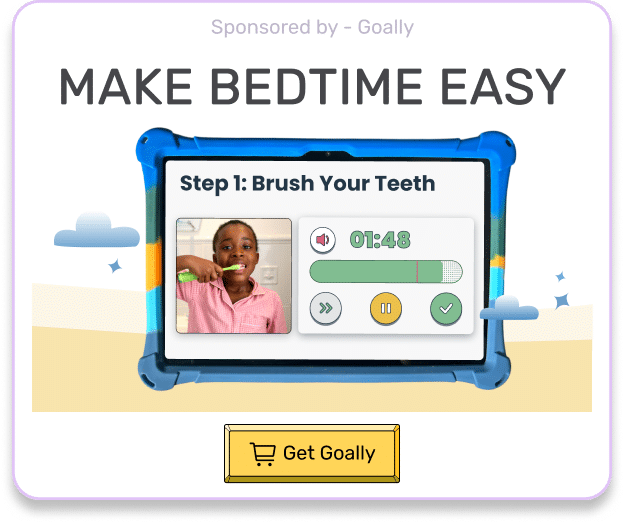
Goally is an excellent option for many families that have a child with ADHD. Use game play as a points-based motivator for your kiddo with ADHD, help them learn emotional regulation skills, and watch them grow! It’s simple to set up and has an expert-informed design.
Empowering Your Neurodivergent Child
Understanding an ADHD diagnosis can be a lot to learn, but remember that you’re not alone. By learning about ADHD and seeking professional help, you’re taking important steps toward empowering your neurodivergent child. With the right support in place, they can overcome challenges and achieve their full potential.
This blog was originally published on 05/08/2023. It was updated on 09/05/2023.

Goally
We help parents teach their kids life skills, like doing bedtime and morning independently. Backed by science, we incorporate evidence-based practices and expert-informed designs in all of our apps and content.