When raising a child with ADHD, you might have questions and worries about their future. One question you might ask is, “Can ADHD get worse if untreated?” It’s important to explore this topic, as understanding the possible results of untreated ADHD can help you make good choices about your child’s care. In this guide, we’ll look at the risks linked to untreated ADHD and give helpful tips for supporting your neurodivergent child. By learning about the challenges and solutions, you’ll be prepared to help your child do well.
Table of Contents
Understanding ADHD and Its Impact on Kids
Attention Deficit Hyperactivity Disorder (ADHD) is a common brain-related challenge many kids face. It can make things like paying attention, thinking before acting and staying calm tricky.
You might wonder, can ADHD get worse if untreated? Well, the short answer is yes. When we don’t give ADHD the attention it needs, it can create extra hurdles for your child’s everyday life and friendships. So, what are these challenges? Let’s dive into them.
Can ADHD Get Worse If Untreated? The Consequences
Not treating ADHD can make symptoms worse and lead to more problems. Here are some possible results of untreated ADHD:
- Academic struggles: Kids with untreated ADHD may have trouble focusing, organizing, and finishing tasks, which can lead to bad grades and a higher chance of dropping out.
- Behavioral issues: Acting without thinking and being very active can lead to problems with following rules and getting along with other kids and teachers.
- Low self-esteem: Failing over and over and getting negative feedback can hurt a child’s self-confidence, making them feel like they’re not good enough.
- Mental health challenges: Untreated ADHD can make it more likely for a child to develop anxiety, depression, and other mental health issues.
- Substance abuse: Studies have shown that people with untreated ADHD are more likely to use drugs or alcohol as a way to cope.
Read More: Activities of Daily Living

Now that we know the risks, let’s look at some ways to manage ADHD and support your child.
Supporting Your Child: Strategies for Managing ADHD
While the risks of untreated ADHD are serious, there are many helpful strategies and treatments to help your child excel. Here are some tips for supporting your neurodivergent child:
1. Seek Professional Help
First, talk to a doctor, psychologist, or psychiatrist who knows about ADHD. They can help you create a plan to treat your child’s ADHD in the best way for them. This might include medicine, therapy, or both.
Getting help early is important for managing ADHD symptoms and stopping them from getting worse. By getting professional help, you can make sure your child gets the care and support they need.
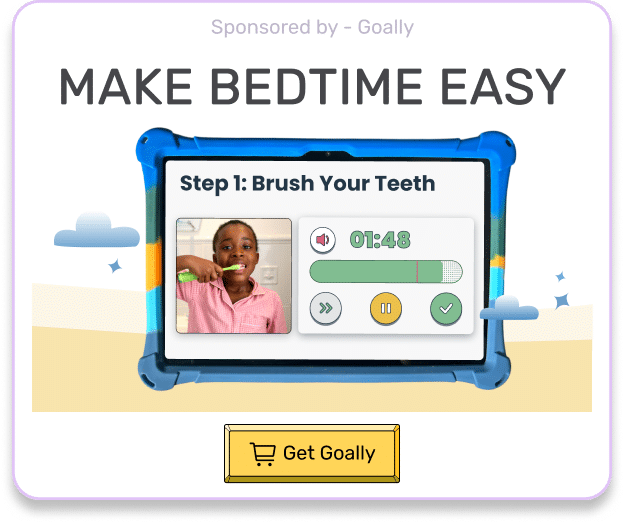
Customize visual schedules that teach kids independence. No more nagging, no more stress.
2. Implement Behavioral Strategies
Next, think about using behavioral strategies that can help kids with ADHD learn important skills and improve their daily life.
Some examples include:
- Setting up routines and schedules
- Using pictures and reminders
- Breaking tasks into smaller steps
- Giving clear expectations and consequences
- Giving praise and rewards for good behavior
Being consistent is key when using behavioral strategies. By keeping a structured environment and encouraging good behaviors, you can help your child develop healthy habits and ways to cope.
Read More: ADHD Behavioral Problems
3. Foster a Supportive Home Environment
Another important step is to create a home environment that helps your child’s needs and helps them succeed. This might involve:
- Having a quiet, clean space for homework and studying
- Encouraging regular exercise and outdoor play
- Limiting screen time and promoting good sleep habits
- Showing and teaching good communication and problem-solving skills
A supportive home environment can make a big difference in your child’s ability to manage their ADHD symptoms. By giving the tools and resources they need, you can help your child do well at home and in school.

4. Advocate for Your Child at School
Work hand in hand with your child’s teachers and school team to ensure they receive the necessary assistance and support. This can involve setting up an Individualized Education Program (IEP) or a 504 plan, which outlines tailored strategies and adjustments to help your child thrive in school.
When you advocate for your child, you empower them to conquer school-related obstacles and unleash their full potential.
5. Connect with Other Parents and Support Groups
Lastly, joining a support group or connecting with other parents of neurodivergent kids can give you helpful resources, advice, and encouragement. Imagine having a network of parents who are on the same boat, a solid support group of folks who understand just what it feels like.
Connecting with them can provide a treasure trove of resources, advice, and even a bit of cheerleading when the going gets tough. Exchanging stories, sharing the highs and lows, can equip you with insights to better navigate the challenges.
Try Goally For Your Child With ADHD
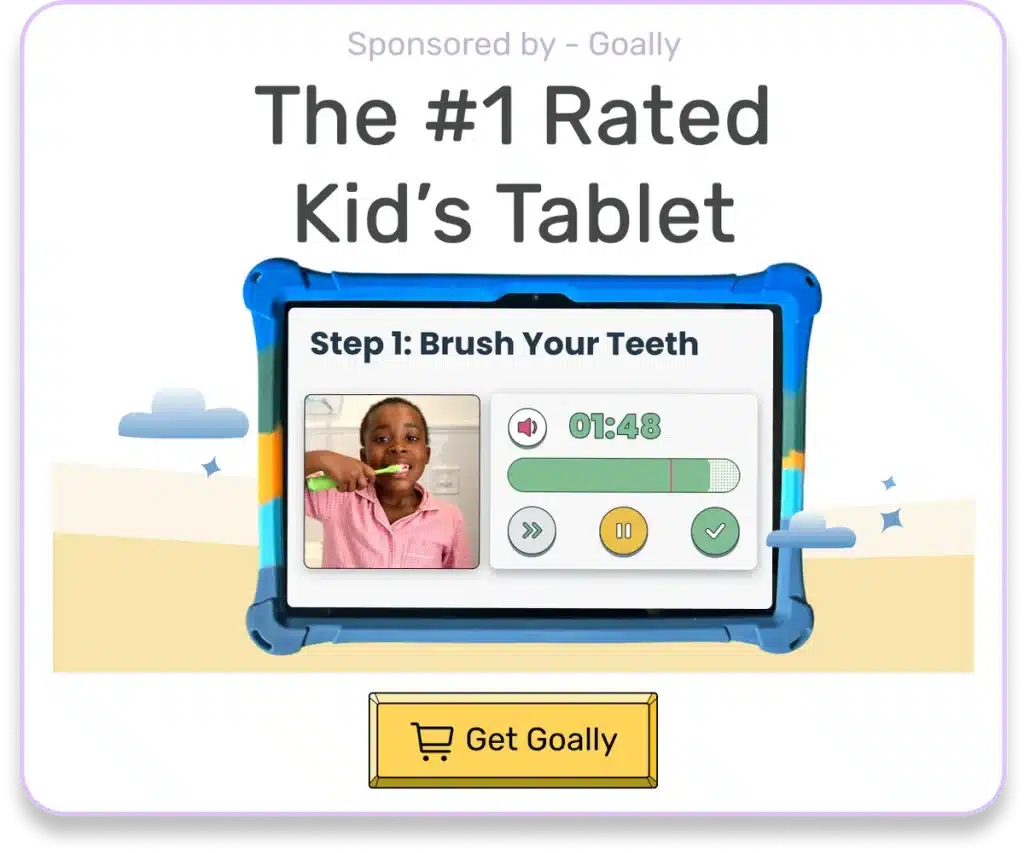
Goally helps kids with ADHD stay focused and build skills. Unlike a Kindle or an iPad that kids get easily distracted on, Goally has no YouTube, no social media, no web browser, and especially no ads.
Goally uses game play as a points-based motivator for your kiddo with ADHD and helps them learn emotional regulation skills. It’s simple to set up and has an expert-informed design.
Early Intervention is Key
In conclusion, can ADHD get worse if untreated? Yes, but with early help and a strong support system, your child can overcome these challenges and lead a happy life. By getting professional help, using behavioral strategies, creating a supportive home environment, standing up for your child at school, and connecting with other parents, you can help your neurodivergent child do well and reach their full potential.
FAQs About Untreated ADHD
What are some signs that untreated ADHD is getting worse?
Signs of worsening ADHD may include increased difficulty in focusing, heightened impulsivity, deteriorating relationships, and poor performance in school or work.
Can tools like visual schedules and emotional regulation apps help manage ADHD?
Absolutely. Visual schedules and emotional regulation apps are effective tools to help manage ADHD symptoms and foster structure and emotional understanding.
How can a support network benefit a child with ADHD?
A support network provides resources, advice, and encouragement, fostering a sense of community that helps a child with ADHD feel less isolated.
What's the importance of treatment in managing ADHD?
Treatment is crucial in managing ADHD symptoms, improving daily functioning, and reducing the risk of potential complications.
What role does parenting play in managing a child's ADHD?
Active and understanding parenting plays a pivotal role in managing a child's ADHD, offering consistency, support, and helping them utilize tools for better growth and development.
This post was originally published on May 7, 2023 . It was updated on October 8, 2023.

Goally
We help parents teach their kids life skills, like doing bedtime and morning independently. Backed by science, we incorporate evidence-based practices and expert-informed designs in all of our apps and content.