Will ADHD kids become normal? The question itself, however, is rooted in the misconception that there is a “normal” standard for children to meet. In reality, every child is unique, and neurodivergent kids, including those with ADHD, bring their own strengths and challenges to the table. In this blog post, we’ll explore the concept of “normalcy,” the potential growth and development of kids with ADHD, and how you can support them on their journey.
Table of Contents
Defining “Normal” and Embracing Neurodiversity
First, let’s address the concept of “normal.” Society often sets expectations for how children should behave, learn, and develop. However, these expectations don’t always account for the diverse range of abilities and experiences that kids have. Neurodiversity is the idea that neurological differences, like ADHD, are natural variations in human brains and should be embraced rather than stigmatized.
So, instead of asking, “Will ADHD kids become normal?”, consider rephrasing the question to focus on their growth and development. For example, you might ask, “How can I help my child with ADHD reach their full potential?” This shift in perspective acknowledges the unique qualities of neurodivergent kids and emphasizes the importance of supporting their individual needs.
ADHD Kids: Growth and Development
While every child’s journey is different, many kids with ADHD can develop skills and strategies to manage their symptoms effectively.

Read more: ADHD and Executive Function
Here are some key areas of growth and development for ADHD kids:
- Self-awareness: As children with ADHD mature, they may become more aware of their strengths, challenges, and how their ADHD affects them. This self-awareness can help them advocate for themselves and seek appropriate support.
- Executive functioning: ADHD can impact executive functioning skills, such as organization, time management, and planning. With practice and support, kids with ADHD can develop strategies to improve these skills.
- Social skills: Some children with ADHD may struggle with social skills, but they can learn and improve through social skills training, therapy, and real-life practice.
- Emotional regulation: Emotional regulation can be challenging for kids with ADHD, but they can develop coping strategies and techniques to manage their emotions more effectively over time.
Now that we’ve identified these key areas, let’s dive deeper into each one and explore how you can support your child’s growth and development.

Read more: Is ADHD Neurodivergent?
Self-Awareness
Encouraging self-awareness in your child with ADHD is crucial. As they become more aware of their strengths and challenges, they can better advocate for themselves and seek the support they need. To foster self-awareness, try the following:
- Engage in open conversations about ADHD and its impact on their lives.
- Help them identify their strengths and areas for improvement.
- Encourage them to set realistic goals and track their progress.
Executive Functioning
Improving executive functioning skills can make a significant difference in the lives of kids with ADHD. To support your child in developing these skills, consider the following strategies:
- Break tasks into smaller, manageable steps.
- Use visual aids, such as calendars and checklists, to help with organization.
- Establish routines and provide consistent reminders.

Read more: Executive Function Test for Kids
Social Skills
Helping your child with ADHD develop social skills is essential for their overall well-being. Here are some ways to support their social growth:
- Enroll them in social skills training or therapy.
- Provide opportunities for them to practice social skills in real-life situations.
- Offer guidance and feedback on their interactions with others.
Emotional Regulation
Managing emotions can be challenging for kids with ADHD, but with practice and support, they can develop effective coping strategies. To help your child with emotional regulation, try these tips:
- Teach them relaxation techniques, such as deep breathing or mindfulness exercises.
- Encourage them to express their emotions through journaling or art.
- Help them identify and challenge negative thought patterns.
Try Goally For Your Child With ADHD
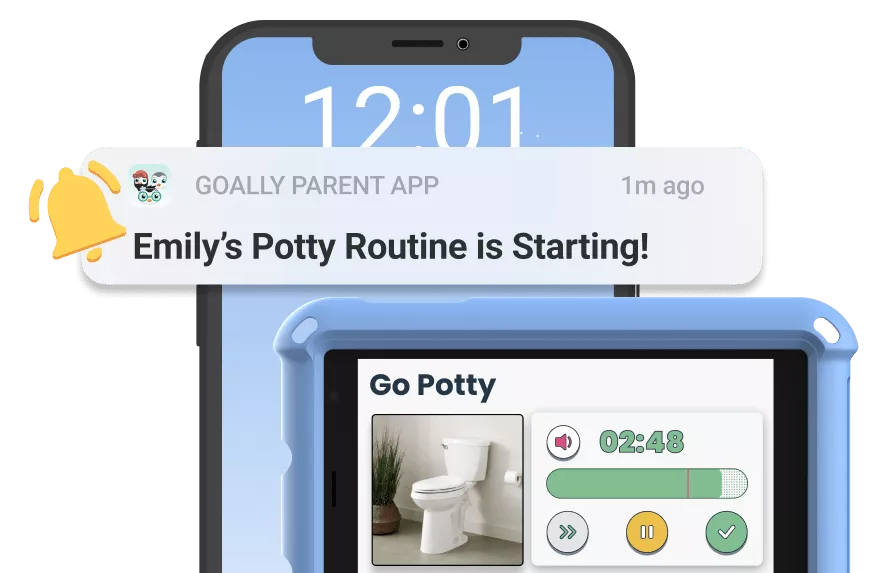
Goally helps kids with ADHD stay focused and build skills. Unlike a Kindle or an iPad that kids get easily distracted on, Goally has no YouTube, no social media, no web browser, and especially no ads.
Goally uses game play as a points-based motivator for your kiddo with ADHD and helps them learn emotional regulation skills. It’s simple to set up and has an expert-informed design.

ADHD Kids and Their Unique Paths
Ultimately, the question “Will ADHD kids become normal?” may not be the most helpful way to approach your child’s growth and development. Instead, focus on embracing their unique qualities, supporting their individual needs, and celebrating their successes. By doing so, you can help your child with ADHD thrive and reach their full potential, whatever that may look like for them.
This post was originally published on 05/07/2023. It was updated on 10/20/2023.

Goally
We help parents teach their kids life skills, like doing bedtime and morning independently. Backed by science, we incorporate evidence-based practices and expert-informed designs in all of our apps and content.