As a parent, you might notice your little one is always on the move, struggling to stay focused during activities, or interrupting conversations more often than their peers. It’s natural to wonder if this behavior is typical or if it could be a sign of something more, like ADHD. Welcome to our ADHD in Toddler Parents Guide, where we’ll discuss the key information you need to know about recognizing and addressing ADHD in your neurodivergent kids.
Table of Contents
Understanding ADHD in Toddlers
While ADHD is typically diagnosed in school-aged children, some early signs can emerge during the toddler years. It’s important to remember that toddlers are naturally energetic and have short attention spans, but there are specific symptoms to watch for when considering ADHD.
- Frequent impulsivity and difficulty waiting for their turn
- Constantly interrupting conversations or activities
- Struggling to follow instructions or complete tasks
- Excessive fidgeting or restlessness

Read more: Real World Life Skills for Kids
These symptoms can be challenging to differentiate from age-appropriate behaviors, but observing how your child’s actions align with their peers can provide valuable insight. If your child consistently exhibits these behaviors more intensely and frequently than others their age, it may be time to consult with a professional.
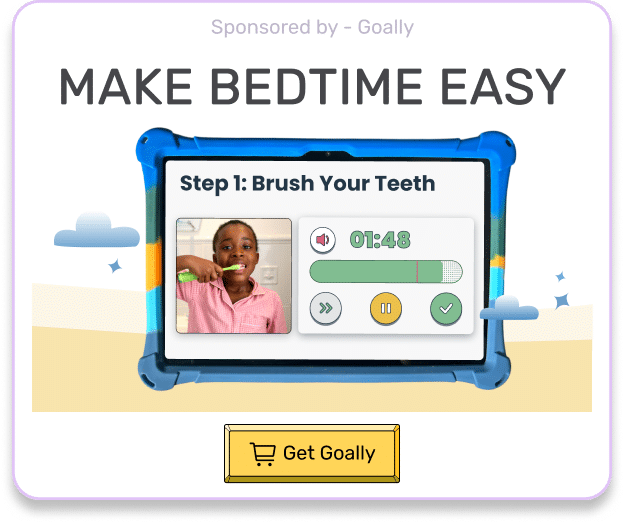
Customize visual schedules that teach kids independence. No more nagging, no more stress.
Seeking Professional Help for Your ADHD Toddler
When you suspect your toddler might have ADHD, it’s crucial to consult with a pediatrician, psychologist, or psychiatrist who specializes in neurodivergent kids. These professionals will evaluate your child based on their developmental milestones, behaviors, and any additional concerns you may have.
The evaluation process might include:
- Parent and teacher questionnaires
- Behavioral observations
- Developmental assessments
- Psychoeducational testing
It’s important to remember that there’s no single test to diagnose ADHD in toddlers. Instead, professionals rely on a combination of assessments and observations to make an informed decision. Early intervention is essential, as it can significantly impact your child’s long-term success and well-being.
Read More: Free Neurodivergent Test

Read more: Free Printable Toddler Bedtime Routine Charts
Strategies to Support Your Toddler with ADHD
Once you’ve received a diagnosis, it’s time to explore various strategies to help your child thrive. Here are some tips to support your ADHD toddler:
- Establish Routines: Developing consistent routines helps your ADHD toddler feel secure and understand what to expect. Regular times for meals, play, and bedtime create a sense of stability.
- Break Tasks Into Smaller Steps: ADHD toddlers can find multi-step tasks challenging. Splitting them into smaller, manageable steps can make your child feel less overwhelmed and more successful.
- Use Positive Reinforcement: Encourage and reward your ADHD toddler’s efforts with praise, small rewards, or extra playtime. This strategy can motivate them to stay on task and enhance their behavior.
- Set Clear Expectations and Consequences: Ensure your ADHD toddler understands the rules and consequences for their behavior. This strategy helps them develop self-control and make better choices.
- Encourage Physical Activity: Regular exercise can help expend excess energy and improve focus in ADHD toddlers. Incorporate playtime and outdoor activities into your child’s daily routine.
Read More: Toddler Routine Chart
Parenting a Toddler with ADHD: Self-Care and Support
Parenting an ADHD toddler can be challenging, but it’s essential to prioritize self-care and seek support. Here are some suggestions to help you stay healthy and connected:
- Join a support group for parents of neurodivergent kids to share experiences and advice
- Practice stress management techniques such as meditation, deep breathing, or yoga
- Make time for hobbies and interests outside of parenting
Remember, you’re not alone on this journey. Connecting with other parents and professionals can provide valuable resources and encouragement as you navigate the world of ADHD with your toddler. Seek professional help if you’re feeling overwhelmed or struggling to cope.
Try Goally For Your Child With ADHD
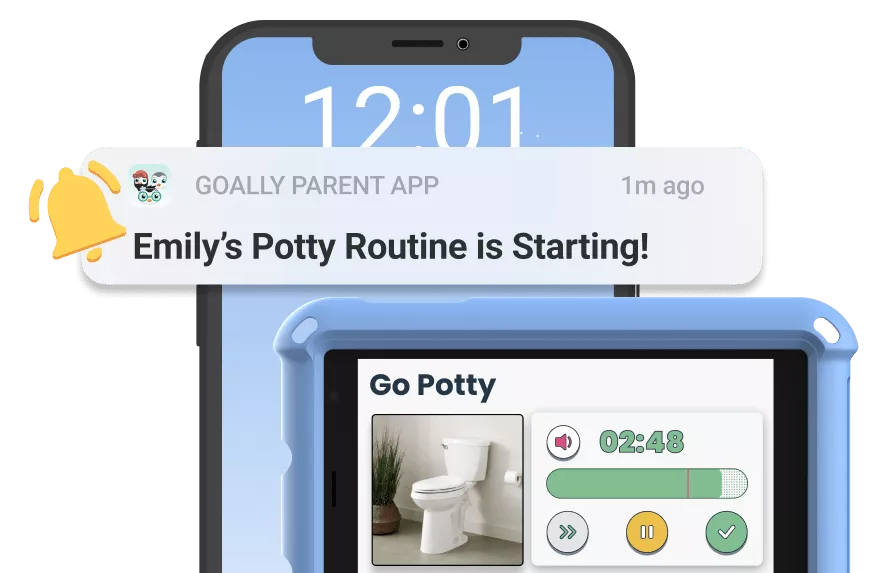
Goally helps kids with ADHD stay focused and build skills. Unlike a Kindle or an iPad that kids get easily distracted on, Goally has no YouTube, no social media, no web browser, and especially no ads.
Goally uses game play as a points-based motivator for your kiddo with ADHD and helps them learn emotional regulation skills. It’s simple to set up and has an expert-informed design.

Embracing Your Child’s Unique Journey
All in all as you support your ADHD toddler, it’s essential to celebrate their uniqueness and strengths. While ADHD may present challenges, it also comes with positive attributes such as creativity, resilience, and a strong sense of empathy. Above all encourage your child to embrace their gifts and focus on their potential for success. With patience, understanding, and the right strategies in place, your child can thrive and flourish in their own way. Every child’s journey is different, but with your love and dedication, their future is bright.
FAQs About ADHD in Toddler
What are visual schedules, and how can they help my ADHD toddler?
Visual schedules use images to represent daily activities, helping ADHD toddlers understand their routines better. They can reduce anxiety and improve time management.
How can emotional regulation apps benefit my ADHD toddler?
Emotional regulation apps use interactive activities to teach ADHD toddlers how to identify and manage feelings. They can help improve emotional intelligence and self-control.
How influential are reward systems for ADHD toddlers?
Reward systems are adequate for ADHD toddlers as they provide positive reinforcement, boosting motivation and encouraging desired behaviors.
What is the best way to introduce a new learning tool to my ADHD toddler?
Introduce new learning tools gradually, using clear instructions and positive reinforcement. Ensure the tool aligns with your toddler's interests and needs.
Can regular physical activity help my ADHD toddler?
Yes, regular physical activity can help expend excess energy, improve focus, and enhance mood in ADHD toddlers.
This post was originally published on 05/07/2023. It was updated on 10/30/2023.

Goally
We help parents teach their kids life skills, like doing bedtime and morning independently. Backed by science, we incorporate evidence-based practices and expert-informed designs in all of our apps and content.