In 2004, it as estimated that between 3,300 to 5,000 homeschooled children fell somewhere on the autism spectrum. Undoubtedly that number has grown, and so has the number of parents who have learned how to teach autistic children. Autism spectrum disorder (ASD) is a complex developmental condition that affects how individuals think, interact, and experience the world around them. It’s called a “spectrum” because it encompasses a wide range of symptoms and abilities. Each person with autism is unique, and there’s no one-size-fits-all approach to teaching and supporting them.
Table of Contents
Teach Autistic Children | Distractions and Sensory Overload
Why is it essential to minimize distractions and prevent sensory overload? For many autistic children, distractions and sensory input can be overwhelming, making it difficult for them to focus and learn effectively. By creating a calm and organized environment, we can help them concentrate better and feel more at ease.
Goally | Visual Scheduler for Autism
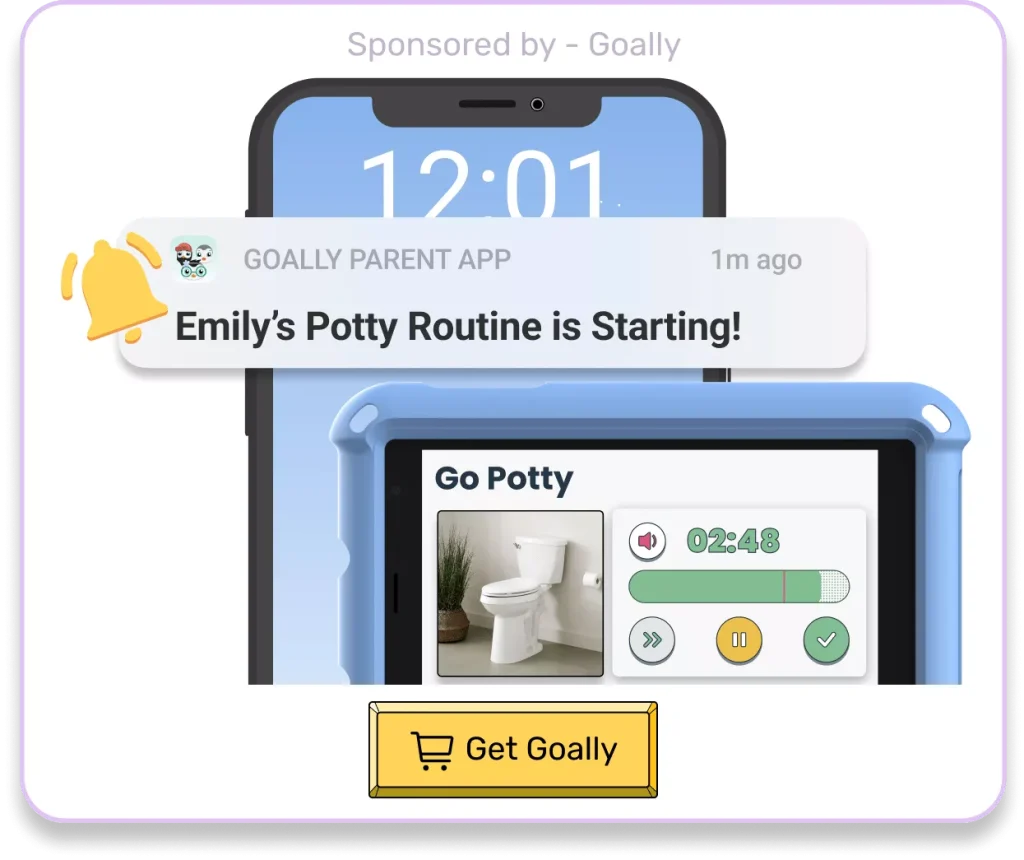
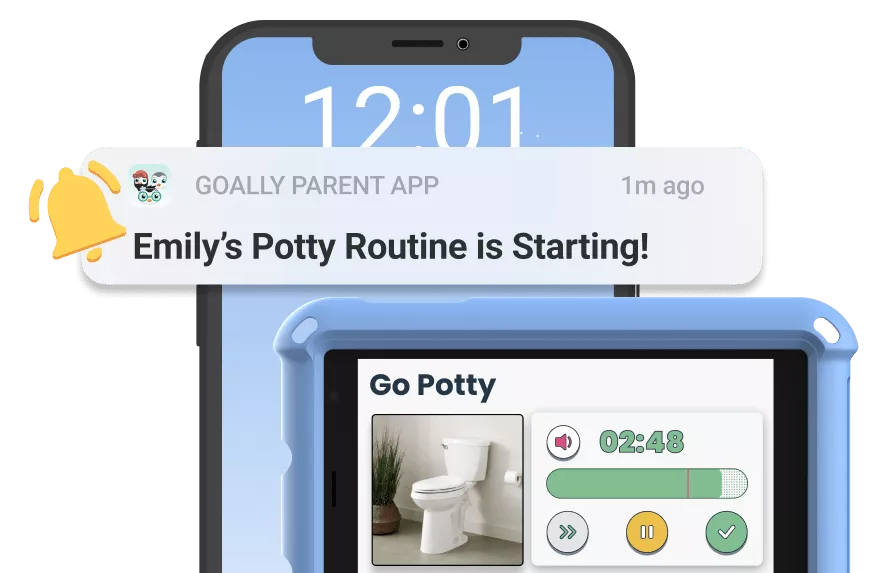
Does your child struggle with getting ready in the morning independently? Goally’s routine app on the best tablet for kids breaks down large tasks into small, achievable steps for autistic kids. Create custom routines with your own videos & pictures for every step.
Tips for Creating a Calm and Organized Learning Space
- Declutter and simplify the room: Keep the learning area neat and free of unnecessary items. This not only makes the space visually appealing but also reduces potential distractions.
- Use designated areas for specific activities: Organize the room into distinct zones for various tasks, such as reading, art, or play. This helps create a sense of order and predictability, which can be comforting for children with autism.
- Implement a consistent routine: Stick to a regular schedule for learning activities, meals, and breaks. This predictability can help reduce anxiety and make transitions between tasks smoother.
Strategies for Managing Sensory Challenges
- Identify and limit sensory triggers: Observe your child to understand what sensory inputs may cause discomfort or overwhelm them, such as bright lights, loud noises, or strong smells. Then, take steps to minimize these triggers in their learning environment.
- Provide sensory breaks and calming strategies: Allow your child to take breaks when needed, and teach them calming techniques such as deep breathing, squeezing a stress ball, or using a fidget toy.
- Encourage the use of sensory tools: Items like noise-canceling headphones, weighted blankets, or chewable jewelry can help manage sensory sensitivities and create a more comfortable learning environment.
Teach Autistic Children | Simple Content and Clear Directions
Simplicity and clarity are crucial when communicating with autistic children. They may have difficulty processing complex language or abstract concepts, so it’s essential to present information in a way that’s easy for them to understand.
How to Teach Autistic Children: Presenting Information Effectively
- Break tasks into smaller steps: Instead of overwhelming your child with a complicated task, break it down into smaller, manageable steps. This makes it easier for them to follow and complete the task successfully.
- Use simple, concise language: Avoid using complex words, idioms, or figures of speech. Instead, use straightforward language that’s easy to understand.
- Provide concrete examples: Whenever possible, use real-life examples or hands-on activities to illustrate concepts. This can help make abstract ideas more tangible and relatable for your child.
Clear directions are especially beneficial to teach autistic children. They help reduce confusion, frustration, and anxiety while increasing their confidence and independence. With clear instructions, children can better understand expectations and experience more success in their learning journey.
Teach Autistic Children | Visual Aids and Methods the Child Enjoys
Visual aids can be a powerful tool in supporting learning for autistic children. Many of these children are visual learners and can process and remember information better when it is visually presented. Visual aids can also help clarify instructions and make abstract concepts more accessible.
Types of Visual Aids to Consider
- Visual schedules: These are visual representations of daily routines or specific activities, which can help children understand the sequence of events and manage their time better.
- Social stories: These are short, personalized stories that illustrate social situations and teach appropriate behavior. They can be a great way to help your child navigate social interactions.
- Visual cue cards: These are simple, portable visual reminders used to prompt specific actions or behaviors. They can be especially helpful for children who struggle with verbal instructions.

Embracing the Child’s Preferred Learning Methods
- Identify the child’s strengths and interests: Observe your child to understand what they enjoy doing and where their strengths lie. Use this information to tailor your teaching approach and make learning more engaging.
- Utilize hands-on activities and games: Many autistic children learn best through hands-on activities and games. Incorporate these into your teaching to make learning more enjoyable and interactive.
- Incorporate technology and multimedia resources: Take advantage of technology like tablets, educational apps, and videos to support learning. These can be especially helpful for visual learners and can make learning more engaging.
Tips for Parents to Learn How Their Autistic Child Likes to Learn
- Observing and Documenting the Child’s Interests and Learning Style – Take time to observe your child during different activities, noting what they enjoy and how they learn best. Document your observations to help inform your teaching strategies and provide insights into their learning preferences.
- Communicating With the Child’s Teachers and Therapists – Stay in close communication with your child’s teachers and therapists. They can provide valuable insights into your child’s learning style and offer additional strategies for supporting their education at home.
- Engaging in Open Conversations With the Child – If your child is able to communicate their preferences, involve them in discussions about their learning. Ask them about their interests, what they find challenging, and how they think you could help them learn better.
- Experimenting With Different Teaching Strategies – Don’t be afraid to try new teaching methods and strategies. Be open to adapting your approach based on your child’s needs and preferences. Remember, what works for one child may not work for another, so prepare to adjust and learn as you go.

Read more: 5 Autism Teaching Strategies
Tips for Kids with Autism to Enjoy Learning
- Encouraging Self-Advocacy and Self-Awareness – Help your child develop self-advocacy skills by teaching them to communicate their needs, preferences, and feelings. Encourage them to ask for help or accommodations when necessary. Foster self-awareness by discussing their strengths, challenges, and learning style. This empowers them to take ownership of their learning journey.
- Fostering a Growth Mindset and Embracing Challenges – Promote a growth mindset by emphasizing that it’s okay to make mistakes and that learning is a continuous process. Encourage your child to embrace challenges as they provide opportunities for growth and development. Praise their effort and persistence, not just their achievements, to build their confidence and resilience.
- Promoting Social Learning Opportunities – Social interaction can be an invaluable learning experience for autistic children. Seek out opportunities for your child to learn alongside their peers, such as joining clubs, participating in group activities, or attending community events. These experiences can help them develop social skills and learn from others.
- Celebrating Successes and Learning From Setbacks – Acknowledge and celebrate your child’s successes, big or small, to boost their confidence and motivation. When setbacks occur, frame them as learning experiences and opportunities for growth. Discuss what went wrong and brainstorm strategies to overcome similar challenges in the future.
Goally | Learning Videos for Kids
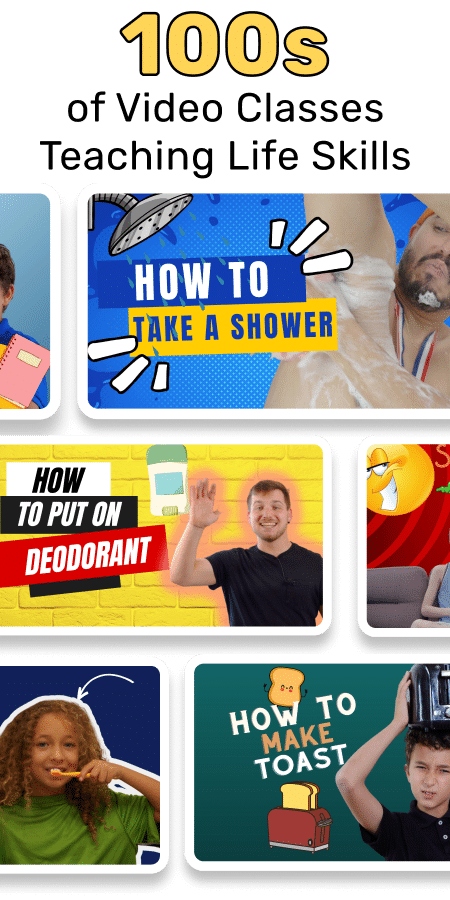
Does your child need a helping hand while they’re learning valuable life skills? Goally’s skill building tablet for kids includes a TV app that has the most robust video library of skills training videos for kids. Ranging from content like “How to Brush Your Teeth” to “How to Make Friends at School,” we have dozens of interactive video lessons for kids with thinking and learning differences.
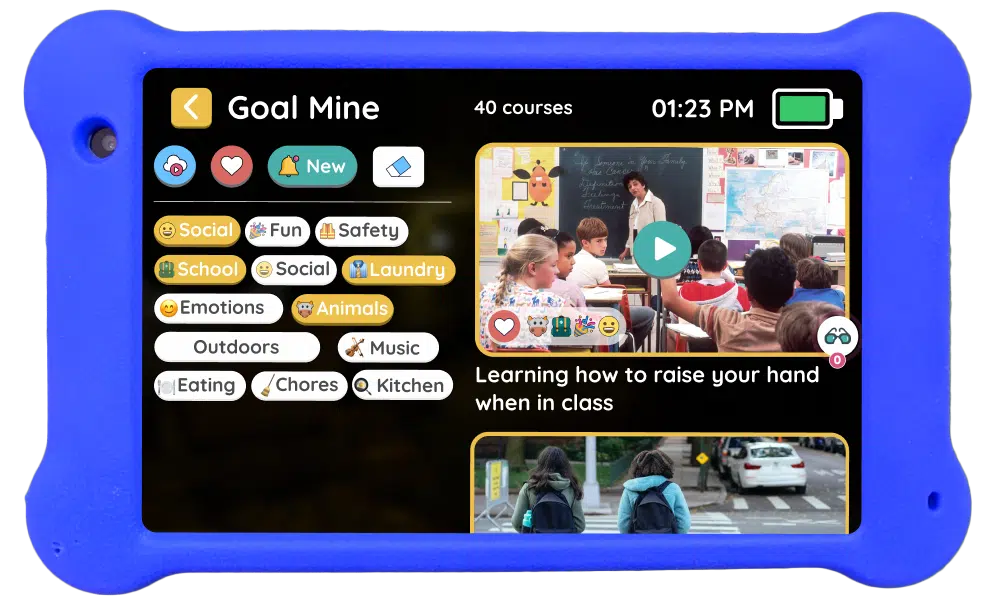
Dive into the Goal Mine channel, where Puffy the Penguin leads your child through behavior skills training videos. They’ll learn social, hygiene, and living skills that are key to their independence. For those moments when they need a break, the Chill Zone channel offers low stimulation video content with Paulie the Penguin at the beach, perfect for relaxation and self-regulation.
Try Goally as an app on any device you have at home for just $15. We also have a dedicated tablet (which ONLY has Goally on it) for $149.
Create an environment without distractions, avoid sensory overload, keep content simple, use clear directions, and employ visual aids. Embrace your child’s preferred learning methods, and observe their interests and learning style. Engage in open conversations, experiment with different strategies, and encourage self-advocacy and self-awareness. Foster a growth mindset, promote social learning opportunities, and celebrate successes while learning from setbacks. We encourage you to continue learning about autism and your child’s specific needs. Stay informed, seek advice from professionals and other parents, and be open to adapting your approach as your child grows and changes. Remember, you’re not alone in this journey, and together, we can help our children with autism reach their full potential.
This post was originally published on 03/28/2023. It was updated on 06/23/2023.

Goally
We help parents teach their kids life skills, like doing bedtime and morning independently. Backed by science, we incorporate evidence-based practices and expert-informed designs in all of our apps and content.