Is your child’s behavior leaving you concerned? Understanding childhood anxiety is crucial for providing the right support. This guide, including a does my child have anxiety quiz, helps identify signs and offers actionable steps for their well-being.
Key takeaways:
- Expert advice and actionable steps are included to support your child effectively.
- Anxiety in children can affect social, family, and emotional functioning.
- Early signs include excessive worry, changes in mood, and withdrawal from activities.
- The quiz helps parents identify potential anxiety symptoms in their child.
Table of Contents
What Is Anxiety?
Anxiety is a natural response to stress or uncertainty. It’s the body’s way of preparing to face a challenge, like speaking in front of a crowd or taking a test. However, when anxiety becomes overwhelming or persistent, it can interfere with daily life — especially for kids.
For kids, anxiety might show up as fear of specific things (like the dark or being away from a parent) or a general sense of unease. While occasional nervousness is normal, constant worry or avoidance behaviors could signal something more serious. Knowing the difference is key to supporting your child effectively.

Read more: 7 Symptoms of Childhood Anxiety
What Are the Signs of Anxiety in Kids?
Kids experience anxiety differently than adults. You might notice signs like frequent stomachaches, avoiding school, or trouble concentrating. These aren’t just quirks — they could be your child’s way of expressing discomfort. Some of the most common indicators include:
- Physical Symptoms: Headaches, nausea, and restlessness.
- Behavioral Changes: Avoiding social activities, withdrawing from friends, or acting out.
- Emotional Signs: Excessive worry, irritability, or sadness.
If you’re nodding along, wondering if this could be your child, you’re not alone. Anxiety in kids is more common than many think, and understanding these signs is the first step in helping them feel safe and supported.
Why Use an Anxiety Quiz?
Sometimes, it’s hard to know what’s normal and what isn’t. That’s where a quiz can help. It’s designed to guide parents by highlighting patterns in their child’s behavior and emotions.
Think of it as a helpful starting point — not a diagnosis, but a tool to shed light on your concerns. For instance, does your child avoid certain situations? Do they seem overly worried about things other kids shrug off? A quiz can provide clarity.
How Anxiety Affects Daily Life
Kids with anxiety may struggle in ways that aren’t immediately obvious. For instance, a fear of making mistakes might make them overly cautious, while excessive worry about fitting in could cause them to withdraw socially. Here are a few ways anxiety impacts kids:
- At School: Anxiety can make it hard to focus, leading to missed instructions or incomplete work.
- At Home: Tension might cause arguments or difficulty following routines.
- With Friends: They may shy away from group activities or avoid making new friends altogether.
Recognizing these patterns can help you step in early and provide the support they need to thrive.
Coping Mechanisms and Activities to Alleviate Anxiety for Kids
- Breathing techniques: Teaching your child breathing techniques can be a helpful coping mechanism for anxiety. Deep breathing, for example, can help reduce physical symptoms of anxiety and promote relaxation.
- Mindfulness and relaxation exercises: Practicing mindfulness and relaxation exercises can help children feel more calm and centered. These exercises can involve guided meditation, progressive muscle relaxation, or other relaxation techniques.
- Physical exercise: Physical exercise can be a great way to alleviate anxiety in children. Exercise releases endorphins. These hormones can improve mood and reduce stress.
- Creative expression: Creative expression can be a powerful tool for reducing anxiety in children. This can involve art therapy, journaling, or other creative activities that allow your child to express their emotions in a safe and constructive way.
- Social support: Social support can be a crucial factor in reducing anxiety in children. Encouraging your child to spend time with encouraging friends or family members can help them feel more connected and less alone.

Read more: Anxiety Coping Skills for Kids
Seeking Professional Help
If your child’s anxiety is interfering with daily activities, or if you notice any unusual symptoms, it’s best to seek professional help. Other indicators that professional help may be useful include persistent anxiety, excessive worrying, or avoidance of everyday activities.
Seeking proper professional help can involve consulting with a mental health professional, like a therapists or psychologist. Your child’s pediatrician can also provide guidance and referrals. Take the does my child have anxiety quiz above!
Tired of Emotional Meltdowns?
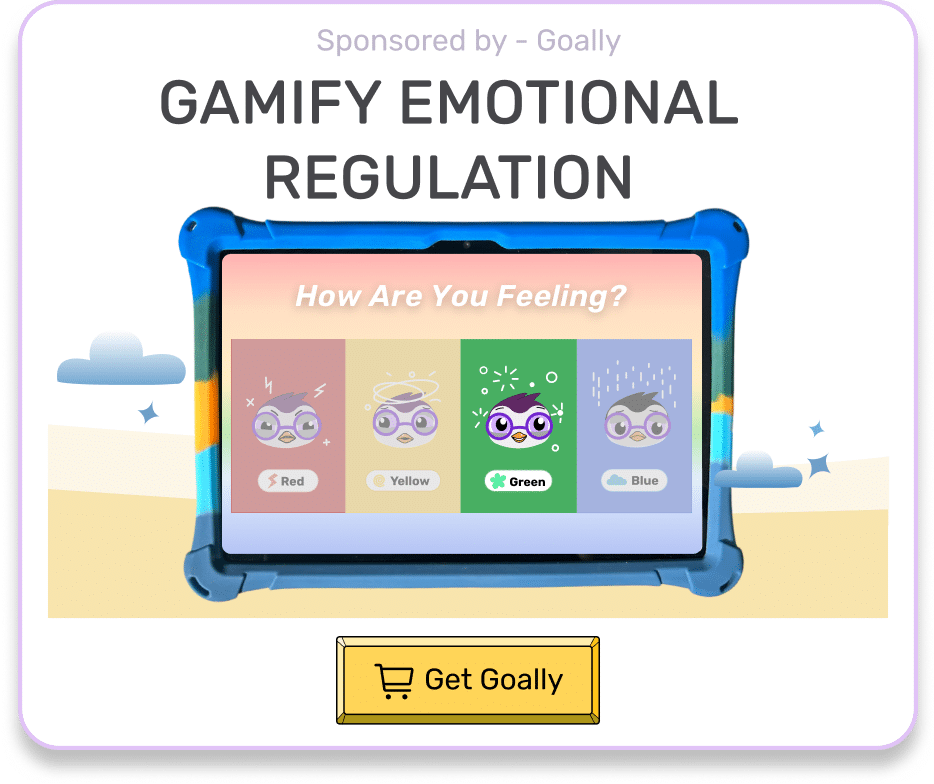
Goally’s Mood Tuner app has activities for kids with BIG emotions. Teach kids how to tune their mood with Goally. See fewer meltdowns.
The Mood Tuner app encourages kids to look inwards and identify their feelings, helping them understand what’s going on inside. Once they’ve recognized their emotions, they can choose from a 20+ activities designed to help them self-regulate and find their balance.
Recognizing anxiety in kids doesn’t have to feel overwhelming. With tools like a well-designed quiz, you can uncover insights into your child’s world and take steps toward helping them feel more secure. Remember, understanding is the foundation of support.
Resources:
- Child Mind Institute
- Anxiety and Depression Association of America
- National Institute of Mental Health
FAQs About Child Anxiety
What is childhood anxiety?
Childhood anxiety is a persistent feeling of fear and worry that can interfere with a child's daily activities and overall quality of life.

What are some signs of anxiety in children?
Signs of anxiety in children can include constant worrying, trouble sleeping, feeling tense and fidgety, and physical symptoms like frequent toilet use or changes in appetite.

Can online quizzes diagnose anxiety in my child?
No, online quizzes can't diagnose anxiety but can serve as a starting point to understand your child's behavior better.

What should I do if I suspect my child has anxiety?
If you suspect your child has anxiety, it's essential to seek professional help. Early intervention can significantly help manage anxiety.

How can I support my child if they have anxiety?
Create a supportive environment at home, encourage open conversations about feelings, validate their feelings, and assure them that it's okay to feel anxious sometimes.
This post was originally published on 03/23/2023. It was updated on 01/09/2025.

Hennah is an experienced writer and researcher, helping children with autism, ADHD, and other neurodivergent conditions. As a blog contributor for Goally, she combines her deep understanding of neurodiversity with practical advice, offering valuable insights to parents and educators.