Trusted by over 100,000+ Parents

What Is Impulse Control Disorder In Children?

Home>>Neurodiversopedia>>I Terms

Summary

summary

Impulse control disorder in children means they have trouble controlling their behavior and acting without thinking. This can cause problems in their daily life and affect their relationships. They can get help with therapy, medicine, and behavior techniques to learn how to manage their behavior better.

Frequently Asked Question

donut

What causes impulse control disorder?

The exact cause of impulse control disorder is unknown, but it may be related to brain function, genetics, and environmental factors.

How is impulse control disorder treated?

Impulse control disorder is often treated with a combination of therapy, medication, and behavior modification techniques.

How does impulse control disorder affect children?

Impulse control disorder can cause problems for children in school, social situations, and their relationships. It can also negatively impact their development and future success if left untreated.

Scientific Definition

scientist

Impulse control disorder in children refers to a problem with controlling their behavior. Kids with this disorder may act on their immediate wants and desires without considering the consequences. They may also need help waiting, interrupting others, or losing their temper quickly. This behavior can cause problems at home, school, and in social situations. Some common impulse control disorders in children include Oppositional Defiant Disorder, Attention Deficit Hyperactivity Disorder, and Conduct Disorder. These conditions can make it difficult for kids to pay attention, follow the rules, and get along with others. Getting help for children with impulse control disorders is crucial because these behaviors can have long-term effects on their lives.

Video Explanation

video-explanation

Treatment for Impulse Control Disorde

Effective treatment for impulse control disorder in children can significantly improve their daily functioning and overall well-being. Here are some approaches that can help:

  • Behavioral Therapy: Engaging in therapies like Cognitive-Behavioral Therapy (CBT) can teach children coping strategies, problem-solving skills, and self-regulation techniques.
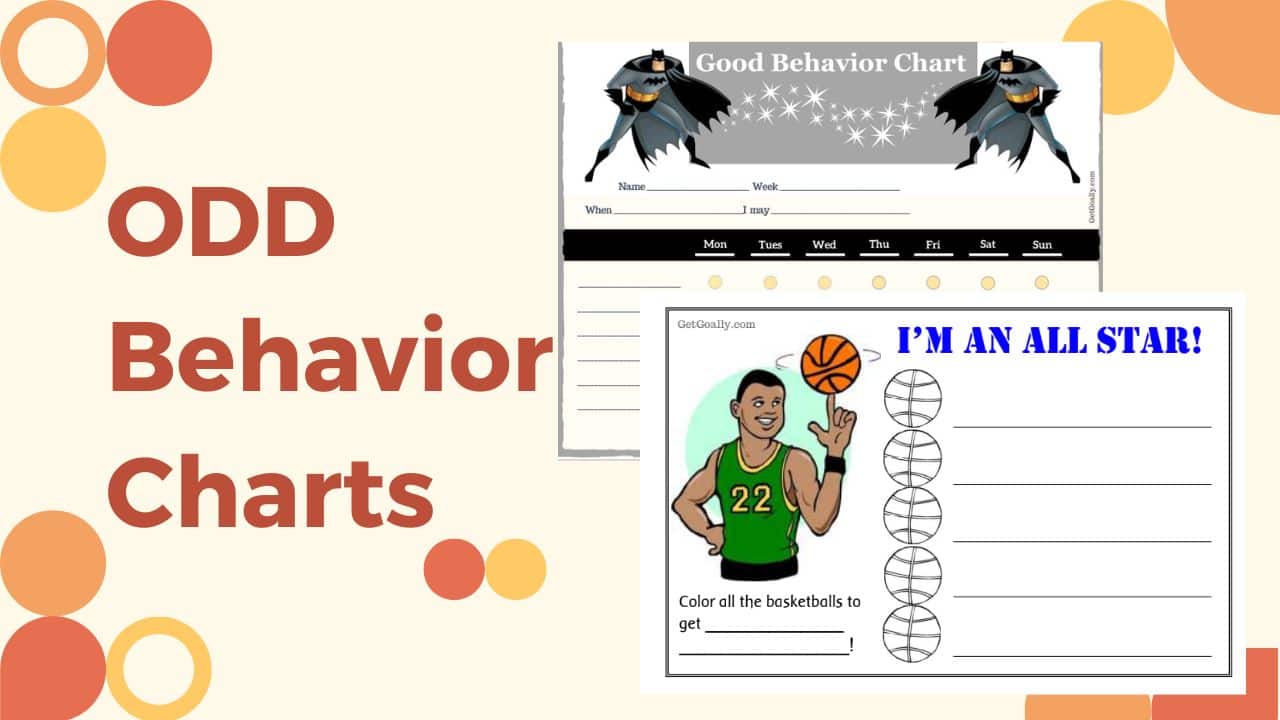
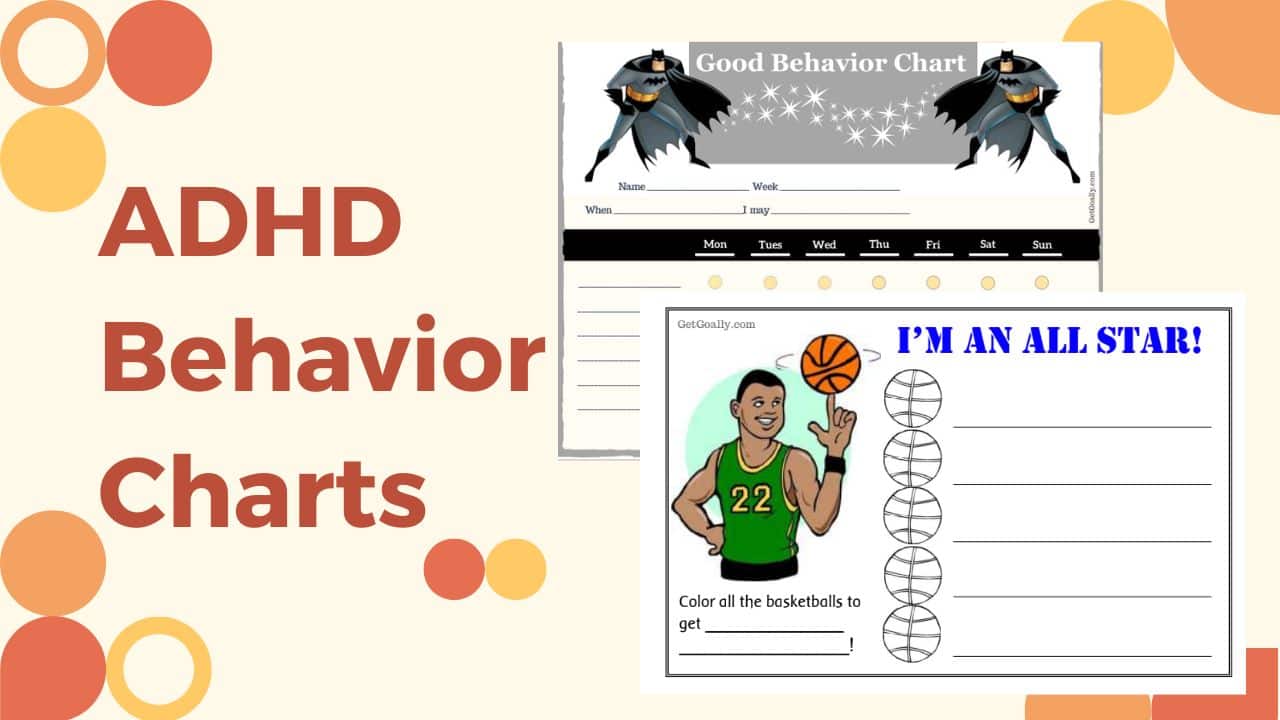
  • Parental Involvement: Parents can play a crucial role by providing consistent structure, setting clear expectations, and implementing reward systems to reinforce positive behaviors.
  • Medication: In some cases, medication prescribed by a healthcare professional may be recommended to manage specific symptoms associated with impulse control disorders.

By combining these treatment approaches, children can learn to better manage their impulses, make thoughtful decisions, and improve their social interactions. With ongoing support and intervention, the long-term prognosis for children with impulse control disorder can be positive, enabling them to lead fulfilling and successful lives.

Symptoms of Impulse Control Disorder

Children with impulse control disorder may exhibit various symptoms that can affect their daily lives. Here are some common signs to look out for:

  • Impulsivity: Acting without thinking, making hasty decisions.
  • Difficulty waiting: Struggling to delay gratification or take turns.
  • Interrupting others: Frequently interrupting conversations or activities.
  • Emotional volatility: Exhibiting quick mood swings and outbursts.
  • Poor impulse control: Engaging in risky behaviors without considering consequences.

Recognizing these symptoms can help parents identify when their child may be struggling with impulse control. Goally, our tablet, offers a holistic solution for kids with impulse control disorder. With apps for visual schedules, AAC, gamified learning, emotional regulation, executive functioning, and social skills training, Goally helps children improve self-control and decision-making.


This post was originally published on Feb. 9, 2023. It was updated on July 12, 2023.