As someone working with kids, I’ve seen firsthand how crucial strong communication skills are for kids. Whether your child is typically developing or has special needs, helping them become effective communicators sets them up for success in school, relationships, and life. But where do you start? In this guide, I’ll walk you through practical steps to boost your child’s verbal and non-verbal communication abilities. From active listening exercises to conversation practice, you’ll learn actionable strategies to help your kids express themselves clearly and confidently. Let’s explore how to nurture these essential skills in fun, engaging ways that work for children ages 2-10.
Table of Contents
1. Model Good Communication
The first step in improving your child’s communication skills is to be a great role model. Kids are like sponges, absorbing the language and behaviors they see around them. I always tell parents that their own communication habits have a huge impact.
Here are some ways you can model effective communication:
- Use clear, age-appropriate language
- Make eye contact when speaking
- Listen attentively without interrupting
- Express emotions in healthy ways
- Ask open-ended questions
Remember, your child is watching and learning from you all the time. When you demonstrate good communication skills, you’re giving them a blueprint to follow.

Read more: ADHD and Communication in Kids
2. Encourage Active Listening
Active listening is a cornerstone of effective communication. It’s not just about hearing words, but truly understanding the message. In my work with kids, I’ve found that many struggle with this skill initially, but it can be developed with practice.
Try these activities to boost your child’s active listening skills:
- Play “Simon Says” to practice following verbal instructions
- Read stories and ask comprehension questions
- Have your child repeat back what you’ve said in their own words
- Practice taking turns in conversations without interrupting
By honing their listening skills, you’re setting your child up to be a more empathetic and effective communicator.
3. Expand Vocabulary Through Reading and Conversation
A rich vocabulary is like a toolbox for communication. The more words your child knows, the better they can express their thoughts and feelings. I’ve seen remarkable improvements in kids’ communication skills when parents prioritize vocabulary building.
Here are some strategies to try:
- Read books together daily, discussing new words
- Play word games like “Categories” or “I Spy”
- Use descriptive language in everyday conversations
- Encourage your child to ask about words they don’t understand
Remember, it’s not about using big words for the sake of it. The goal is to give your child a diverse range of words to choose from when communicating.
4. Practice Non-Verbal Communication
Communication isn’t just about words. Body language, facial expressions, and tone of voice all play crucial roles. For kids with special needs, understanding and using non-verbal cues can be particularly challenging.
Try these activities to improve non-verbal communication:
- Play charades to practice expressing ideas without words
- Make faces in a mirror, identifying different emotions
- Watch videos with the sound off, guessing what’s happening based on body language
- Practice using different tones of voice to convey various emotions
By developing awareness of non-verbal communication, your child will become a more nuanced and effective communicator.
5. Encourage Storytelling and Narrative Skills
Storytelling is a fantastic way to improve communication skills. It helps kids organize their thoughts, use descriptive language, and understand narrative structure. In my experience, even children who struggle with other forms of communication often shine when given the opportunity to tell stories.
Here are some ways to incorporate storytelling into your child’s routine:
- Ask your child to recount their day at bedtime
- Create stories together using picture prompts
- Encourage your child to keep a journal
- Play “story chain” games where each person adds a sentence
These activities not only improve communication skills but also boost creativity and imagination.

Read more: Teaching Listening Skills to a Child
6. Use Technology Wisely
In today’s digital age, technology can be a powerful tool for improving communication skills when used thoughtfully. I’ve seen great results with educational apps and programs designed to support language development.
Consider these tech-based strategies:
| Technology | Benefits | Usage Tips |
|---|---|---|
| Speech-to-text apps | Improve pronunciation and fluency | Use for 10-15 minutes daily |
| Video chat with family | Practice conversation skills | Schedule regular calls with relatives |
| Interactive storytelling apps | Enhance narrative skills | Use as a reward after completing tasks |
| Educational games | Build vocabulary and grammar skills | Limit to 30 minutes per day |
Remember, technology should supplement, not replace, face-to-face communication practice.
7. Create Opportunities for Social Interaction
Social interactions provide invaluable opportunities for kids to practice their communication skills in real-world settings. For children with special needs, these situations can be challenging but are crucial for development.
Consider these ways to increase social interaction:
- Arrange playdates with peers
- Enroll in group activities like sports or art classes
- Encourage your child to order their own food at restaurants
- Visit local playgrounds or community events
Each social interaction is a chance for your child to practice and refine their communication skills.
8. Teach Turn-Taking in Conversations
Turn-taking is a fundamental aspect of communication that doesn’t always come naturally to kids, especially those with neurodivergent traits. I’ve found that explicit instruction and practice can make a big difference.
Try these activities to improve turn-taking skills:
- Use a “talking stick” during family discussions
- Play board games that require taking turns
- Practice phone conversations with family members
- Use visual cues to indicate whose turn it is to speak
By mastering turn-taking, your child will be better equipped for successful social interactions and conversations.
9. Address Speech Challenges Early
If you notice your child struggling with speech or language development, it’s important to address these issues promptly. Early intervention can make a significant difference in outcomes.
Here are some steps you can take:
- Consult with your pediatrician about any concerns
- Consider a speech and language evaluation
- Look into speech therapy if recommended
- Practice speech exercises at home as advised by professionals
Remember, every child develops at their own pace, but it’s always better to address potential issues sooner rather than later.
10. Celebrate Progress and Effort
Improving communication skills is a journey, not a destination. It’s crucial to celebrate your child’s efforts and progress along the way. In my work with kids, I’ve seen how positive reinforcement can boost confidence and motivation.
Here are some ways to acknowledge your child’s communication achievements:
- Offer specific praise for using new words or expressing thoughts clearly
- Create a “communication wins” chart to track progress
- Share your child’s communication successes with family members
- Plan small rewards for reaching communication goals
By recognizing their progress, you’re encouraging your child to continue developing their communication skills.
Goally | 100+ Streaming Video Classes
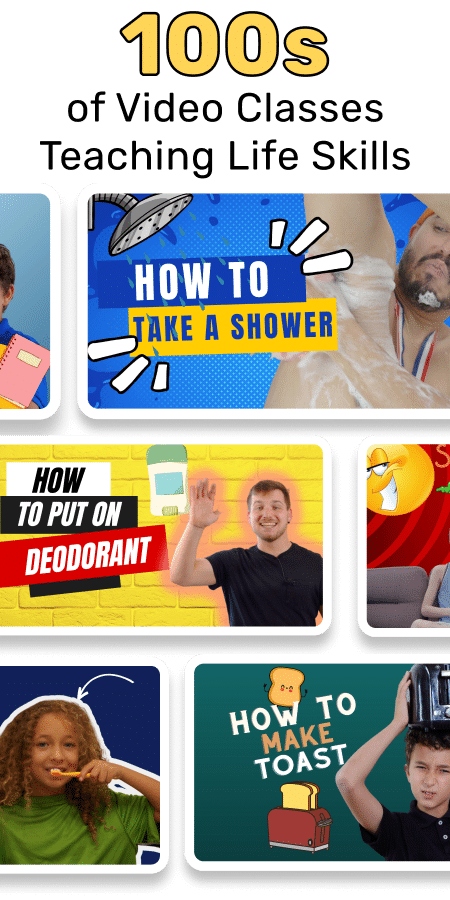
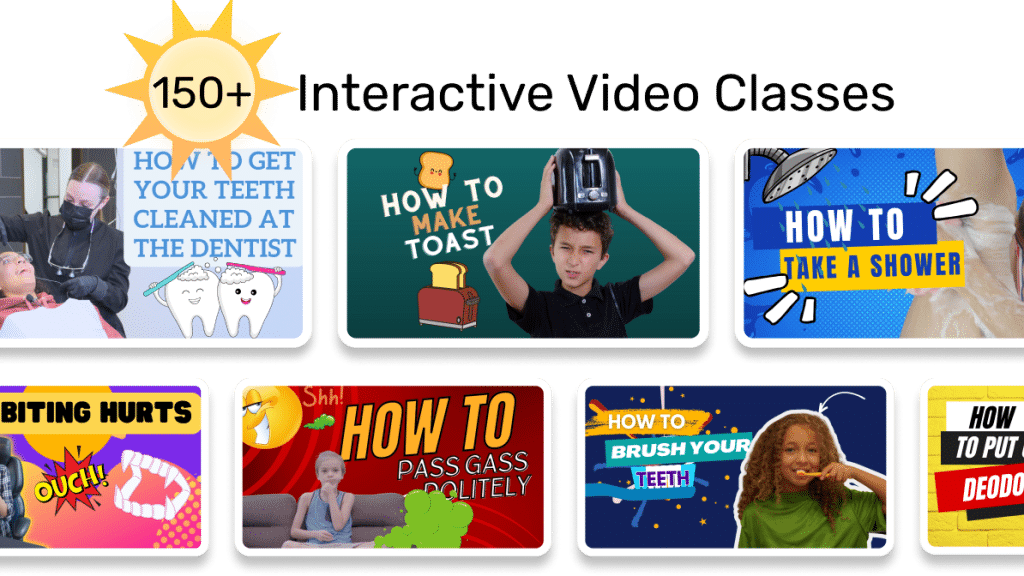
Does your child need some extra guidance on building essential life skills? Goally’s skill building tablet for kids includes a TV app that has the most robust video library of skills training videos for kids. Ranging from content like “How to Brush Your Teeth” to “How to Make Friends at School,” we have dozens of interactive video lessons for kids with thinking and learning differences.
HERE’s a video explaining how to works.
Improving your child’s communication skills is a rewarding journey that requires patience, consistency, and creativity. By implementing these strategies – from modeling good communication to celebrating progress – you’re giving your child the tools they need to express themselves effectively. Remember, every child is unique, so don’t be afraid to adapt these techniques to suit your child’s individual needs and learning style. With your support and guidance, your child can develop strong communication skills that will serve them well throughout their life.
Helpful Resources
FAQs about How to Improve Communication Skills
What are the first signs that my child needs help with communication skills?
Early signs include limited eye contact, delayed speech development, and difficulty understanding simple instructions. Observing these can help you act promptly to support their skills.

How can I encourage my child to communicate more?
Engage your child in daily conversations about topics they enjoy, and ensure you're giving them time to respond, showing genuine interest in their thoughts and feelings.

Are there specific games that improve communication skills in children?
Yes, games like 'Simon Says', storytelling activities, and role-playing scenarios can significantly enhance both verbal and non-verbal communication skills by making the learning process fun and interactive.

What role do books play in developing a child's communication skills?
Reading with your child and discussing the story helps build vocabulary, understanding of language nuances, and empathy, all crucial for effective communication.

How can I use technology to improve my child's communication skills?
Technology, when used wisely, can be a great tool. Apps designed for speech development or interactive storytelling can provide engaging ways for children to practice and improve their communication skills.

Hennah is an experienced writer and researcher, helping children with autism, ADHD, and other neurodivergent conditions. As a blog contributor for Goally, she combines her deep understanding of neurodiversity with practical advice, offering valuable insights to parents and educators.